
Terex Others For Sale
Browse Terex other trucking equipment for sale, including specialty support units built for lighting, power generation, jobsite service, and utility work.
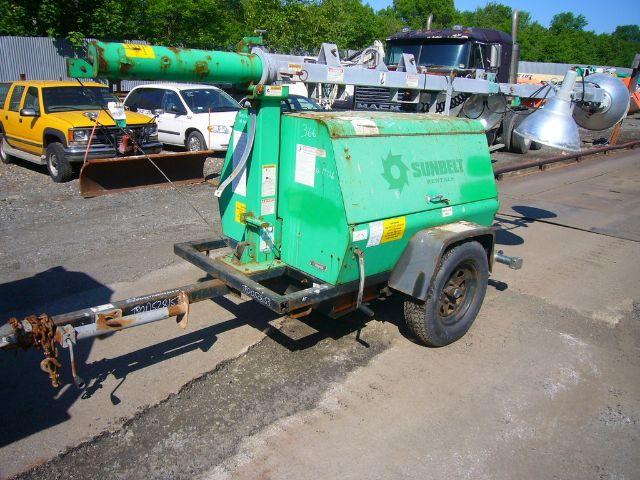
Selling a terex other? List your terex other for sale and reach thousands of commercial buyers.
Terex Others
For buyers comparing Terex specialty equipment, the key decisions usually come down to power source, runtime, output, transport dimensions, and service access. Diesel-powered units with compact industrial engines are common, often paired with onboard generators, lighting systems, and multiple receptacle configurations for 120V or 240V applications. On towable units, axle rating, tire size, frame condition, lunette or ball hitch setup, and overall weight all affect how easily the machine can move between jobs. If the unit includes a mast, boom, or deployable system, inspect operating height, winch or hydraulic function, cable condition, and stabilizer design.
Condition matters more in this category than age alone because many Terex support machines spend years in rental, municipal, or contractor fleets. Hour meter readings, engine starting behavior, generator load performance, wiring integrity, corrosion, and evidence of regular maintenance tell you more than model year by itself. Buyers should also confirm availability of replacement lamps, filters, belts, control components, and Kubota, Deutz, or other engine service parts used across many Terex platforms. On older units, simple mechanical systems can be an advantage if you want easier field repairs and lower downtime.
Terex has long been associated with utility and construction equipment, so this category tends to appeal to buyers who need durable specialty machines rather than general freight equipment. The best fit depends on the actual application: night paving crews need reliable lighting and easy towing, utility contractors may prioritize compact footprint and power output, and municipalities often focus on low operating cost and straightforward maintenance. When comparing listings, match the unit's output, dimensions, and setup time to the jobsite you run every day. That approach usually narrows the field faster than comparing model names alone.
Frequently Asked Questions about Terex Others
What types of equipment are usually listed under Terex other trucking equipment?
This category typically includes specialty support equipment such as towable light towers, mobile generators, utility support units, and other jobsite machines that do not fit standard truck, trailer, or body classifications. Terex is well known for construction and utility-oriented equipment, so many units in this group are designed to provide portable lighting, electrical power, or field support for crews working away from fixed infrastructure.
What should I inspect first on a used Terex towable support unit?
Start with the engine, generator or power system, chassis, and tow package. Verify that the engine starts cleanly, the unit builds and holds output under load, and all controls, lights, mast components, or receptacles function correctly. Then inspect tires, wheels, axle, hitch hardware, safety chains, frame rust, and any stabilizers or outriggers. On a light tower or generator unit, wiring condition and evidence of water intrusion are especially important.
Are hours more important than model year on Terex specialty equipment?
In many cases, yes. A higher-hour unit with documented maintenance can be a better buy than a lower-hour machine with poor service history, corrosion, or neglected electrical components. Specialty equipment is often used intermittently but in harsh environments, so overall condition, service records, and functional testing usually provide a better picture of remaining value than age alone.
How do I choose the right Terex unit for road work or utility applications?
Match the equipment to the job's actual demands. For road crews, lighting coverage, runtime, towing stability, and quick setup are usually top priorities. For utility or service work, buyers often focus on generator capacity, outlet configuration, compact dimensions, and ease of maintenance. Transport width, total weight, and available replacement parts should also be considered if the unit will move frequently between sites.
Do older Terex support machines still make sense for fleet use?
They can, especially when the design is mechanically straightforward and parts support remains available through common engine and component suppliers. Older Terex units are often attractive to municipal buyers, contractors, and smaller fleets that value simple operation and lower acquisition cost. The deciding factor is not just age but whether the engine, electrical system, structural components, and any deployable mast or support equipment remain fully functional and economical to maintain.