
Fermont Others For Sale
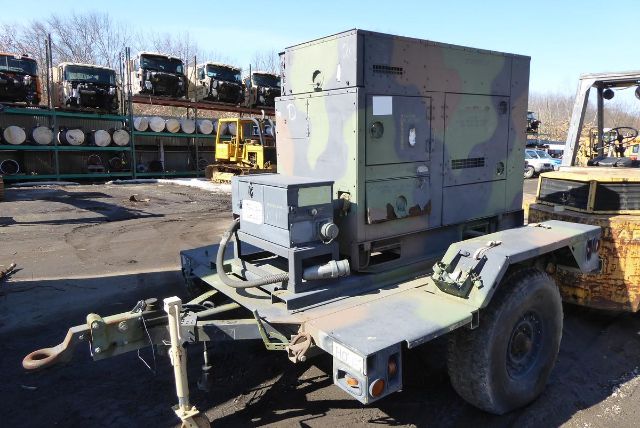
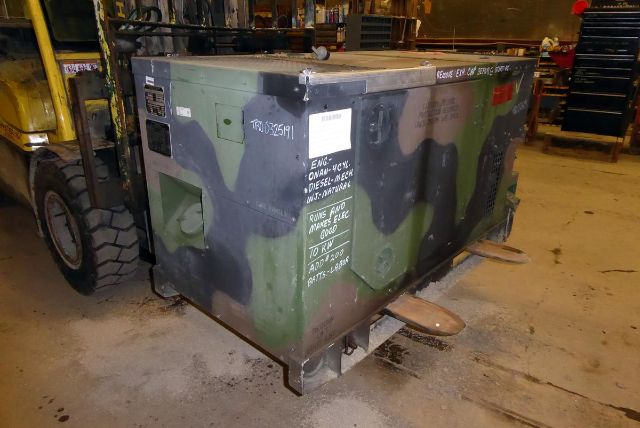
Browse Fermont other trucking equipment, including military-grade diesel generators with compact footprints and dependable mobile power output.
Selling a fermont other? List your fermont other for sale and reach thousands of commercial buyers.
Fermont Others
The first buying decision is output and electrical configuration. Sample Fermont equipment in this category includes generator sets in the 10 kW to 15 kW range with selectable voltage and frequency, single-phase and three-phase capability, and convenience outlets plus lug connections for broader distribution. That matters if the unit needs to run welders, pumps, compressors, lighting, service bodies, or temporary site power. Buyers should confirm continuous power rating, available amperage, voltage options such as 120/240V or 120/208V, and whether the panel layout supports the exact load profile required in the field.
Engine and serviceability are just as important as electrical specs. Many Fermont units use proven mechanical diesel platforms from suppliers such as Onan or Isuzu, which can be a real advantage for fleets that prefer simpler fuel systems and easier field repair. Check hour meter readings, cold-start behavior, exhaust condition, governor stability, and how well the unit holds frequency under load. On used equipment, condition of the control panel, quick-connects, duplex outlets, battery system, and skid or frame structure usually tells you more than paint. Weight and footprint also matter because these machines may be mounted on a truck, carried on a trailer, positioned in a service yard, or moved by forklift.
Because this is an "other trucking equipment" category, Fermont units can vary more than standard truck components, so buyers should focus on application fit before brand familiarity. Look closely at enclosure style, transport dimensions, noise level, fuel type, electric-start function, and compatibility with existing fleet maintenance practices. A compact 10 kW set may suit a light support role, while a larger three-phase unit is better for contractors or fleet operations that need stable power for heavier tools and temporary distribution. The right choice is the one that matches load demand, mobility requirements, and service access without adding unnecessary complexity.
Frequently Asked Questions about Fermont Others
What kind of equipment is usually found under Fermont other trucking equipment?
Fermont equipment in this category is often mobile power equipment, especially diesel generator sets and related specialty support units. These are not typical road tractors or trailers. They are usually purchased for job site power, emergency backup, field repairs, municipal use, and remote operations where portable, self-contained electrical output is needed.
What specs matter most when buying a used Fermont generator unit?
The key specs are continuous kW rating, voltage options, single-phase or three-phase output, amperage, engine make, total hours, and physical size and weight. Buyers should also verify outlet configuration, lug connections, frequency stability, and startup performance. On a used unit, a clean electrical panel and a generator that carries load smoothly are usually more important than cosmetic appearance.
Are Fermont diesel generators suitable for truck fleet support work?
Yes, many are well suited for fleet support applications if the output matches the intended load. They can power service tools, lighting, pumps, battery charging systems, and temporary work areas in the field or at a yard. Fleet buyers should confirm that the unit's power distribution, transport method, and maintenance requirements fit existing operating practices before purchase.
Is engine type important on older Fermont equipment?
Yes. Older Fermont units often use mechanical diesel engines, which many buyers prefer for durability and simpler service compared with more complex electronic systems. Parts availability, cold-weather starting, fuel consumption, and local technician familiarity should all be considered. The engine platform can significantly affect long-term ownership cost and uptime.
How do I choose between a smaller 10 kW unit and a larger 15 kW three-phase unit?
A 10 kW unit is typically a better fit for lighter support loads, small tools, lighting, and compact mobile applications where lower weight and footprint matter. A 15 kW three-phase unit makes more sense when the equipment must support heavier tools, more demanding motors, or broader temporary power distribution. The best choice comes from calculating actual startup and running loads instead of buying strictly by maximum output.