
Chevrolet Others For Sale
Browse Chevrolet other trucking equipment including specialty units and vocational platforms built for custom work, hauling, service, and niche applications.
Selling a chevrolet other? List your chevrolet other for sale and reach thousands of commercial buyers.
Chevrolet Others
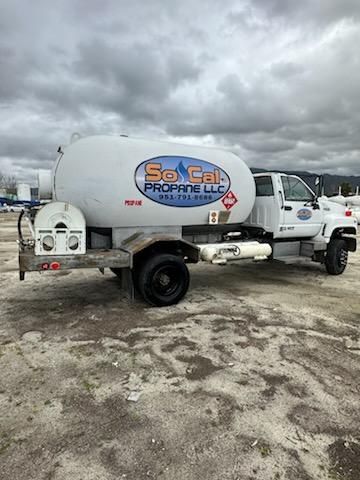
On Chevrolet-based vocational equipment, the chassis itself is often a familiar, serviceable medium-duty platform with straightforward parts support for many common mechanical components. Units built on Kodiak or similar Chevrolet truck frames are often chosen for local hauling, farm use, utility work, liquid handling, or stationary support roles because they are simpler to maintain than newer emissions-era trucks. Buyers should verify engine replacement history, brake system type, axle ratings, wheelbase, suspension setup, and whether the truck was built for CDL or non-CDL operation. If the unit includes a tank, compressor, pump, boom, generator, or specialty body, confirm the manufacturer, serial tags, pressure ratings, capacity, and inspection status. On older tank-equipped trucks especially, shell thickness, water capacity, maximum temperature rating, and pressure certification matter more than cosmetics.
This category rewards careful inspection because many Chevrolet specialty trucks have been repurposed over time. A clean-running truck can still need costly work if the mounted equipment is outdated, uncertified, or difficult to service. Look closely at frame modifications, crossmember condition, PTO engagement, hose and valve age, wiring quality, and signs of stress cracking around body mounts. For tank units, buyers should check for internal corrosion, patch repairs, current test records, and compliance with the intended product being hauled. For service and utility applications, tool storage, payload balance, GVWR, and rear axle capacity are key practical limits. Tire age, hydraulic leaks, rust in cab mounts, and brake component wear can quickly change the real cost of ownership on an older Chevrolet vocational truck.
The best Chevrolet other trucking equipment listings are the ones that clearly explain the truck's job, not just the badge on the hood. A buyer comparing several units should focus on how the truck is configured today, what it was designed to do, and how easily it can be kept working. In this category, a well-documented older Chevrolet can be a strong value if the specialty equipment is functional, the chassis matches the payload or service requirement, and the truck's compliance records support its intended use.
Frequently Asked Questions about Chevrolet Others
What does Chevrolet other trucking equipment usually include?
This category usually includes specialty Chevrolet work trucks and vocational platforms that fall outside standard highway tractor or box truck classifications. Common examples include tank trucks, service trucks, utility bodies, municipal units, custom vocational builds, and older medium-duty chassis such as the Chevrolet Kodiak with application-specific equipment mounted behind the cab.
What should I inspect first on an older Chevrolet vocational truck?
Start with the mounted equipment and the frame, because those are often the most expensive parts to repair or replace. Check PTO operation, hydraulics, pumps, valves, wiring, body mounts, crossmembers, and any signs of cracking or poor modifications. After that, verify the engine, transmission, brakes, axle ratings, and suspension, then review service records and any certification paperwork tied to the specialty equipment.
Are Chevrolet Kodiak-based specialty trucks still practical to own?
They can still be practical for local and vocational use when the application is right and parts availability has been confirmed. Many buyers like older Kodiak trucks because the chassis is relatively straightforward and can be easier to maintain than newer emissions-controlled units. The real decision usually comes down to condition, intended workload, and whether the mounted equipment is current, functional, and supported.
What matters most if the Chevrolet truck has a tank installed?
Tank specification and compliance matter most. Buyers should confirm capacity, pressure rating, shell thickness, temperature rating, tank manufacturer data, inspection history, and the product the unit was designed to carry. A truck that runs well still may not be suitable for the intended job if the tank lacks current documentation, shows internal corrosion, or does not meet the required operating standard.