
Link Belt Equipment For Sale in New York
Browse Link-Belt trucking equipment for sale, including durable used machines known for hydraulic performance, operator comfort, and jobsite versatility.
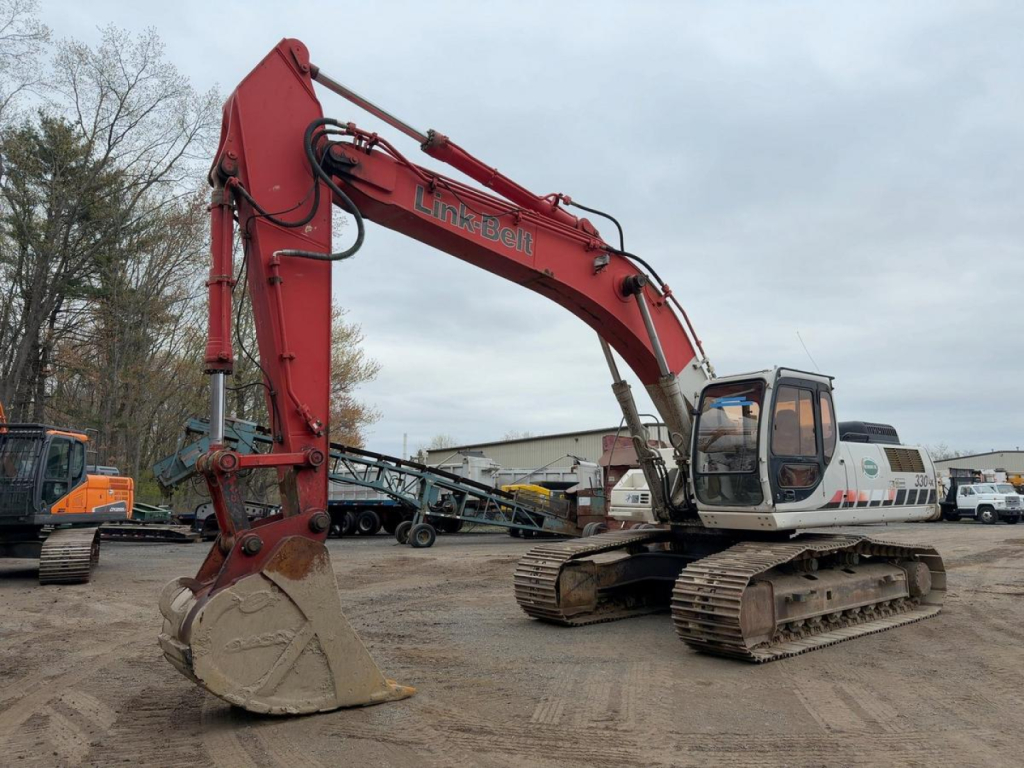
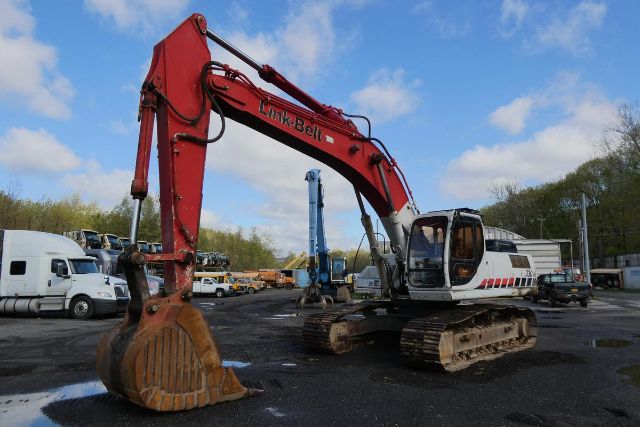
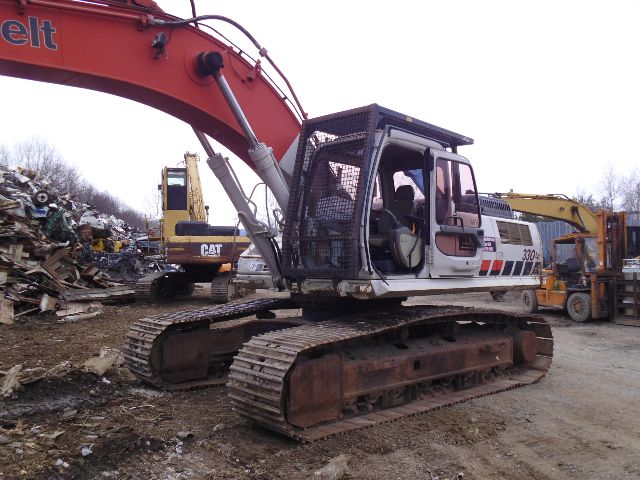
Selling a link belt equipment? List your link belt equipment for sale and reach thousands of commercial buyers.
Link Belt Equipment in New York
For buyers comparing Link-Belt excavators, the main decision points are operating weight, boom and stick configuration, undercarriage condition, and auxiliary hydraulic setup. A mid-size machine such as a 160-class excavator fits utility work, site prep, light demolition, and general excavation where transport width and lower ground pressure matter. A 330-class machine is better suited for heavy excavation, production loading, scrap work, and attachment use with shears, thumbs, or hammers. Check pad width, roller count, track wear, and overall ground tread because undercarriage condition has a major effect on ownership cost. On attachment-ready machines, confirm the presence of extra hydraulic lines, third valve plumbing, quick coupler compatibility, and sufficient hydraulic flow for the intended tool.
Used Link-Belt machines are often judged less by model year and more by hours, pin and bushing wear, cylinder condition, and how the hydraulics respond under load. Minor seepage at cylinders, play in the front end, and non-working air conditioning are common used-equipment issues and should be priced accordingly, but smooth travel, strong breakout force, and clean function transitions matter more on a working machine. Cab layout is another practical advantage in this brand. Enclosed cabs with heat, air conditioning, and joystick controls are common, and visibility from the operator station is typically good for trenching, truck loading, and attachment work. For buyers in New York, transport dimensions, machine width, and shipping weight deserve close attention because permit requirements and hauling costs can change quickly once you move into heavier classes.
A Link-Belt machine can be a good fit for contractors who need dependable production and want a broad range of parts and service support through established equipment channels. The best value usually comes from matching the machine to the application instead of chasing the largest unit available. A properly equipped mid-size excavator can outperform a larger machine on tight urban work, while a heavier 330-class unit earns its keep when reach, lift capacity, and attachment stability are the priority. Review service records, verify serial and engine information, inspect boom foot and stick end wear, and test all hydraulic functions at operating temperature before making a buying decision.
Frequently Asked Questions about Link Belt Equipment in New York
What should I look for first when buying used Link-Belt equipment?
Start with the hydraulic system, undercarriage, and structural wear points. On a Link-Belt excavator, that means checking cylinder leaks, swing bearing condition, boom and stick pin play, track wear, rollers, and final drives. Hours matter, but condition matters more. A machine with higher hours and documented maintenance can be a better buy than a lower-hour machine with neglected pins, weak hydraulics, or undercarriage wear.
Are Link-Belt excavators good for demolition and scrap applications?
Yes, many Link-Belt excavators are commonly used in demolition, recycling, and scrap handling when equipped with the right boom configuration and auxiliary hydraulics. Larger machines in the 330-class are often matched with shears, grapples, and other hydraulic attachments because they offer the weight, stability, and hydraulic capacity needed for demanding work. Buyers should confirm attachment plumbing, third valve setup, and front-end condition before putting a machine into demolition service.
How important is undercarriage condition on a used Link-Belt excavator?
Undercarriage condition is one of the biggest cost factors on any tracked excavator. Worn pads, rollers, idlers, and sprockets can turn an otherwise affordable machine into an expensive ownership proposition. On Link-Belt units, inspect pad width, grouser condition, roller wear, track tension, and signs of uneven wear that may indicate alignment or maintenance issues. A strong engine and hydraulics do not offset a worn-out undercarriage.
What size Link-Belt machine is best for general contractor work?
For many general contractors, a mid-size Link-Belt excavator offers the best balance of transportability, digging power, and jobsite versatility. Machines in the 160-class are often well suited for trenching, site work, utility installation, and loading trucks without the hauling requirements of a much larger excavator. Larger 330-class machines make more sense when production excavation, deep digging, heavy lifting, or attachment work is the priority.
Do Link-Belt machines hold value well on the used market?
Link-Belt equipment generally holds value well when it has a solid maintenance history, functional hydraulics, and limited structural or undercarriage wear. Buyers tend to value these machines for practical serviceability, dependable performance, and compatibility with common jobsite attachments. Resale value depends heavily on hours, condition, transport size, and whether the machine is set up for standard excavation or specialized material handling work.