
Used 2008 Toyota Lifts - Fork For Sale
Browse used 2008 Toyota fork lifts for sale, including propane cushion-tire models built for warehouse handling, dock work, and indoor lifting.
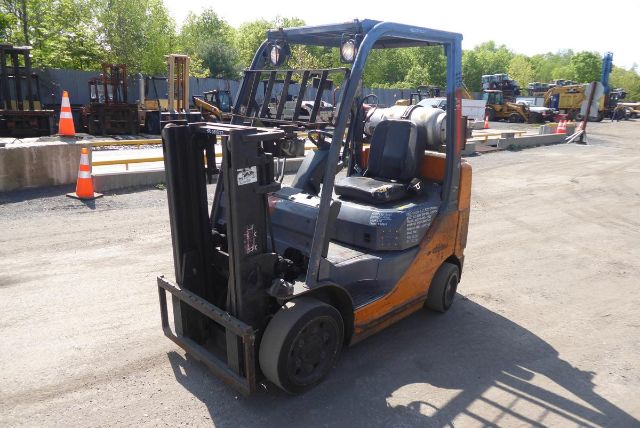
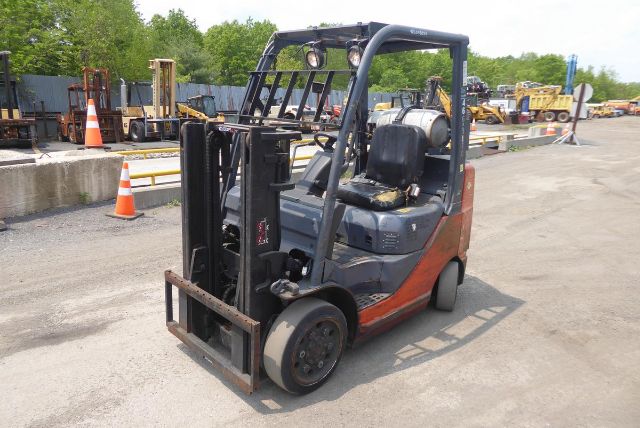
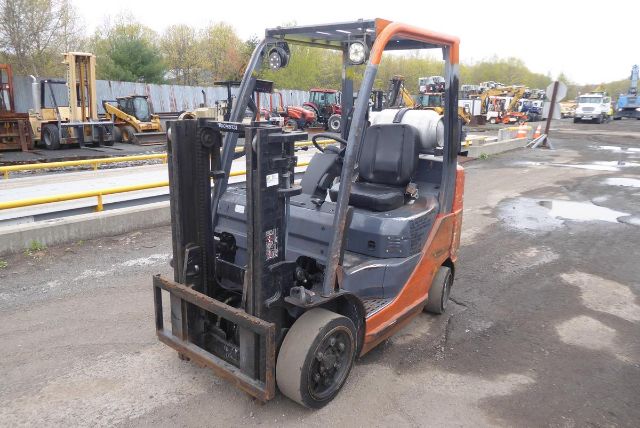
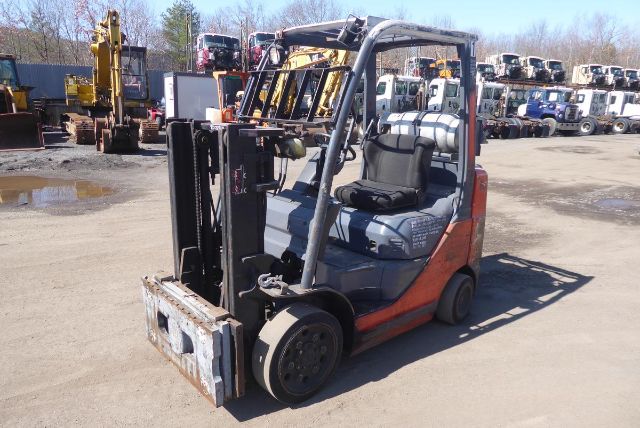
Have used 2008 toyota lifts - fork equipment to sell? List it here to reach thousands of buyers.
Used 2008 Toyota Lifts - Fork
A lot of 2008 Toyota forklifts on the used market are LPG or propane-powered units with Toyota 4-cylinder engines and automatic directional control for simple forward-reverse operation. Buyers comparing Toyota 7-series and 8-series trucks should look closely at the fuel system, service history, and actual operating condition rather than model number alone. Common configurations include dual-stage masts, roughly 80-inch lowered height for door clearance, about 5 degrees of back tilt, and side shift on some units. Fork length, carriage setup, and attachment compatibility can vary quite a bit, and some used machines are sold without forks or without the propane tank, so those details should be confirmed before purchase.
The most important inspection points on a used 2008 Toyota fork lift are mast and carriage wear, chain condition, lift and tilt cylinder leakage, steer axle play, brake performance, and transmission engagement in both directions. Hour readings deserve extra scrutiny because older warehouse forklifts may show high hours or non-verified hours. Solid cushion tires are typical on these trucks and work well on concrete, but buyers should check for chunking, flat spotting, and uneven wear that can indicate hard service or alignment issues. It is also smart to inspect the seat switch, warning lights, parking brake, and hydraulic response under load, especially on units that appear clean but have seen heavy dock use.
Toyota forklifts from this era remain popular because parts support is generally strong, controls are familiar to most operators, and the trucks are straightforward to keep in service when they have been maintained properly. For many buyers, the right decision comes down to mast type, side shift, fork package, and true operating condition instead of just price. If the application involves indoor warehousing on smooth floors, a used 2008 Toyota cushion-tire forklift can still be a practical and cost-effective machine, provided the unit matches the lift height, aisle width, and load center requirements of the job.
Frequently Asked Questions about Used 2008 Toyota Lifts - Fork
What capacity range is common for a used 2008 Toyota fork lift?
Many used 2008 Toyota forklifts in this class fall in the 3,800 to 4,350 lb capacity range. That makes them a good fit for standard pallet handling, dock work, and general warehouse use. Buyers should still confirm the data plate because actual rated capacity can change based on mast height, attachment type, and load center.
Are 2008 Toyota forklifts usually propane or electric?
In this type of used market listing, 2008 Toyota fork lifts are often propane-powered LPG units, especially cushion-tire warehouse models. Propane forklifts are popular because they refuel quickly and perform well in indoor-outdoor transitions on paved surfaces. A buyer should verify whether the truck includes a tank, since many used units are sold without one.
What should I inspect first on a used Toyota forklift from 2008?
Start with the mast, chains, carriage, hydraulics, brakes, and transmission engagement. Then check tire condition, steer axle looseness, warning lights, seat and safety interlocks, and the parking brake. If the hour meter is marked not actual or seems inconsistent with wear, judge the truck by mechanical condition and maintenance records instead of hours alone.
What is the difference between a cushion-tire forklift and a pneumatic-tire forklift?
A cushion-tire forklift uses solid tires and is typically built for smooth indoor surfaces such as warehouse concrete and loading docks. It generally has a tighter turning radius and lower overall profile than a pneumatic-tire truck. A pneumatic-tire forklift is better suited for rougher outdoor surfaces, gravel, and uneven yards.
Why do mast height and lowered height matter on a used fork lift?
Lowered mast height determines whether the forklift can clear warehouse doors, trailer openings, and interior obstructions. Lift height determines whether it can place loads at the rack level you need. On used forklifts, a common mistake is focusing only on rated capacity while overlooking mast configuration, which can affect both clearance and usable lifting performance.