
Used 2015 Doosan Lifts - Fork For Sale
Shop used 2015 Doosan fork lifts for sale. Compare LP gas warehouse forklifts by capacity, mast height, side shift, tire type, and service condition.
Have used 2015 doosan lifts - fork equipment to sell? List it here to reach thousands of buyers.
Used 2015 Doosan Lifts - Fork
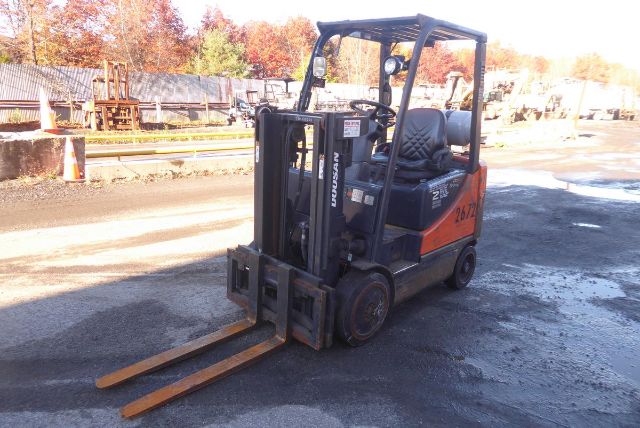
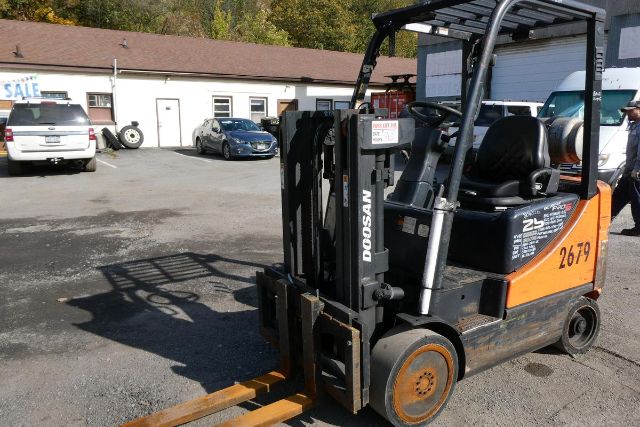
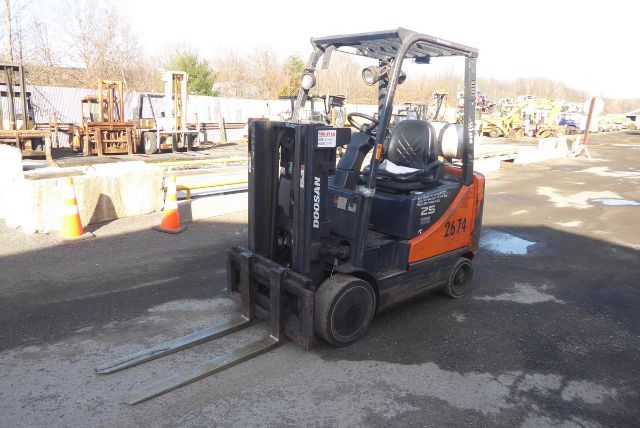
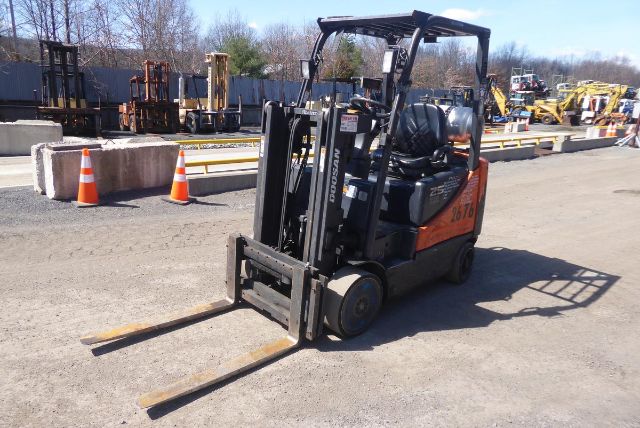
A key buying point in this category is mast and attachment setup. Many Doosan forklifts from this era are equipped with a double mast, hydraulic side shift, and fork lengths in the 36-inch to 41-inch range. Side shift matters in real-world dock work because it reduces repositioning time and helps operators square up loads without repeated steering corrections. Buyers should also confirm lowered mast height, maximum lift height, tilt function, and whether the truck has the right carriage and fork dimensions for the pallets or products being moved every day.
Powertrain and service condition are just as important as rated capacity. Common configurations in this class include GM 2.4L LP gas engines with simple automatic forward-reverse operation. On used units, hour meter accuracy, cold-start behavior, warning lights, hydraulic cylinder condition, and transmission engagement deserve close attention. Solid pneumatic or cushion-style tires are common depending on application, and tire condition can materially affect ride quality, stability, and near-term operating cost. It also makes sense to verify propane tank bracket condition, steer axle response, mast rollers, chain wear, and brake performance before putting a used forklift into regular service.
For buyers comparing used Doosan fork equipment, the real decision usually comes down to application match rather than brand alone. A unit used mainly on smooth concrete floors may prioritize compact dimensions and tight turning radius, while heavier dock cycles may put more value on side shift, mast visibility, dry hydraulics, and consistent lift performance under load. Doosan forklifts from this period are generally known for straightforward controls, good parts support, and solid performance in medium-duty material handling, making them a relevant choice for fleets that want a capable internal combustion forklift without moving into a larger capacity class.
Frequently Asked Questions about Used 2015 Doosan Lifts - Fork
What capacity should I expect from a used 2015 Doosan fork lift?
Many used Doosan forklifts in this category fall around the 4,000 lb class, which is suitable for standard palletized freight, warehouse inventory, and general industrial material handling. Buyers should always confirm the actual data plate capacity because rated lift can change based on mast configuration, attachment type, load center, and lift height. The nameplate rating is more important than model assumptions when matching a forklift to your operation.
Are LP gas Doosan forklifts a good choice for warehouse use?
LP gas forklifts are a strong fit for operations that need fast refueling, indoor-outdoor flexibility, and consistent power through a full shift. They are commonly used in warehouses, shipping areas, and industrial plants where electric charging infrastructure is limited or where the truck needs to move between dock aprons and interior floors. Ventilation requirements still matter indoors, and buyers should inspect the fuel system, mounts, and engine condition carefully on any used propane unit.
What should I inspect first on a used Doosan forklift?
Start with the mast, chains, carriage, forks, and hydraulic cylinders because these components directly affect safe lifting performance. Then check engine startup, idle quality, transmission engagement, brake feel, steer axle response, and tire wear. Hour meter credibility also matters, especially if the reading appears inconsistent with overall machine wear, seat condition, pedal wear, and service history. A dry hydraulic system and smooth lift operation usually tell you more than fresh paint.
Why is hydraulic side shift important on a fork lift?
Hydraulic side shift lets the operator move the forks left or right without repositioning the entire truck. That improves load placement speed, reduces small steering corrections, and helps in tight dock or rack environments where precise pallet alignment matters. On a used forklift, side shift adds value because it can improve daily productivity, but the attachment should be checked for hose condition, cylinder leaks, and smooth operation under load.
Do tire type and mast height really affect forklift buying decisions?
Yes. Tire type affects where the forklift can work effectively, how it rides, and how much traction it has on your surface conditions. Mast height affects both overhead clearance and actual stacking capability. A forklift that fits under a low door may not provide enough lift for your racks, while a taller mast may limit access in trailers or older buildings. Buyers should compare lowered height, maximum lift height, tire setup, and floor conditions before choosing a used unit.