
2012 Lifts - Fork For Sale
Browse 2012 fork lifts for material handling, warehouse, yard, and industrial use. Compare lift capacity, mast type, fuel, tires, and overall size.
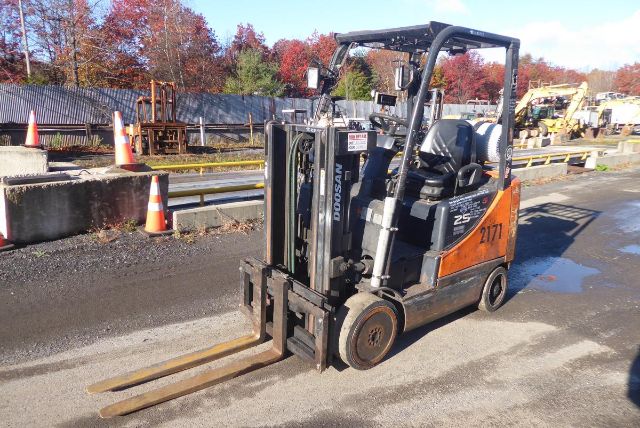
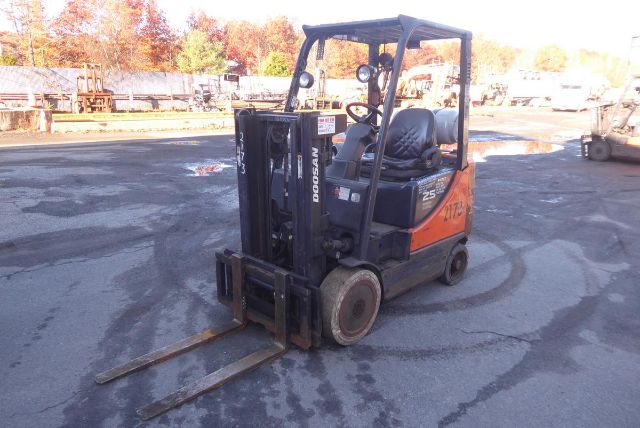
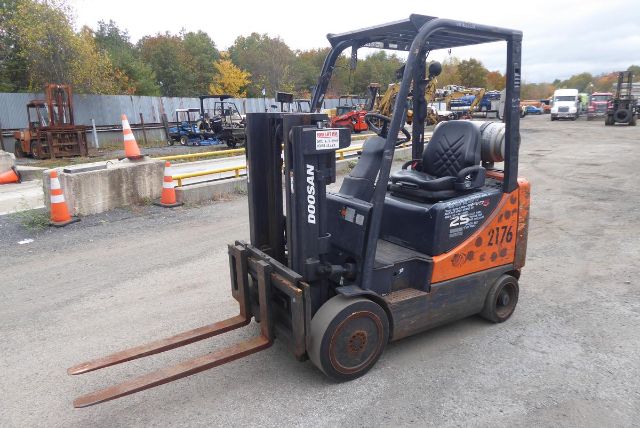
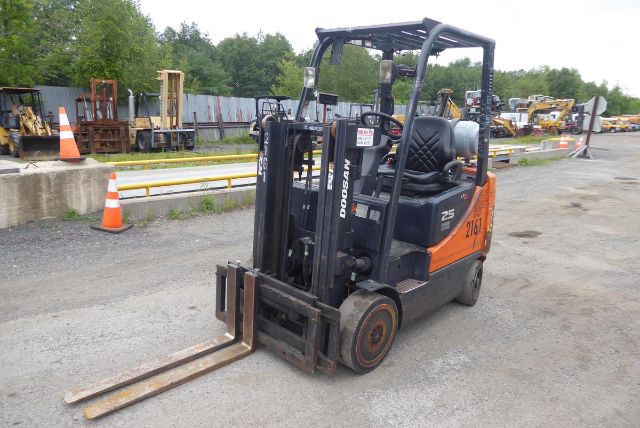
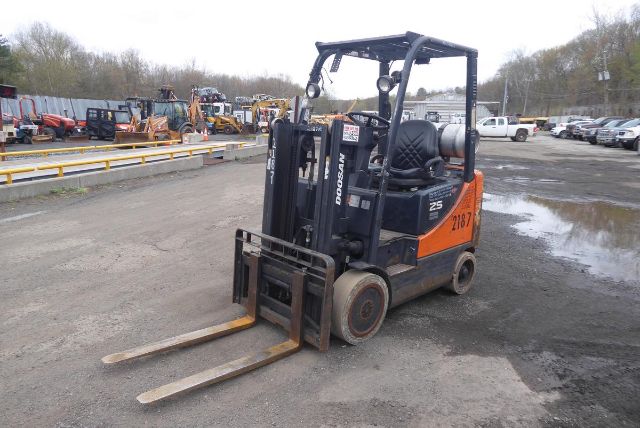
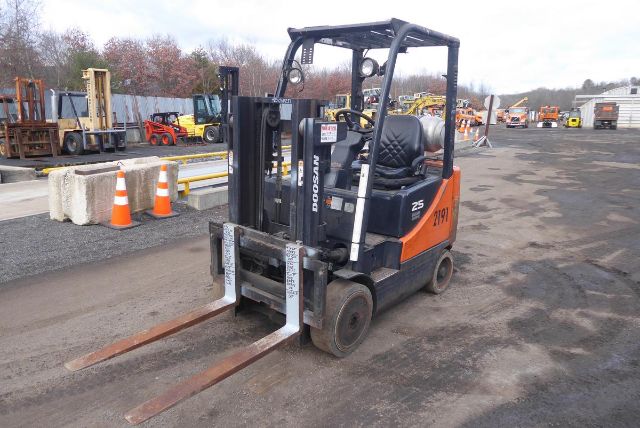
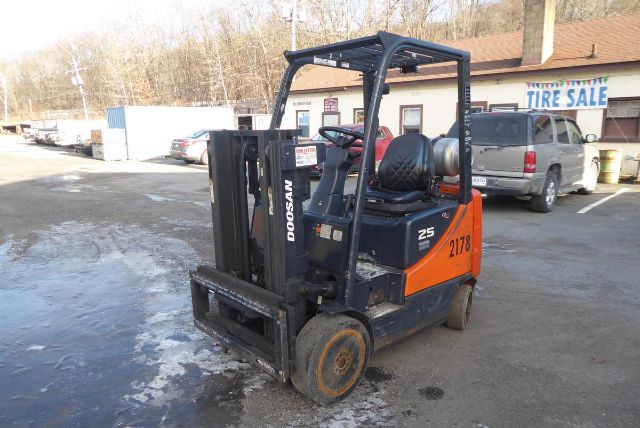
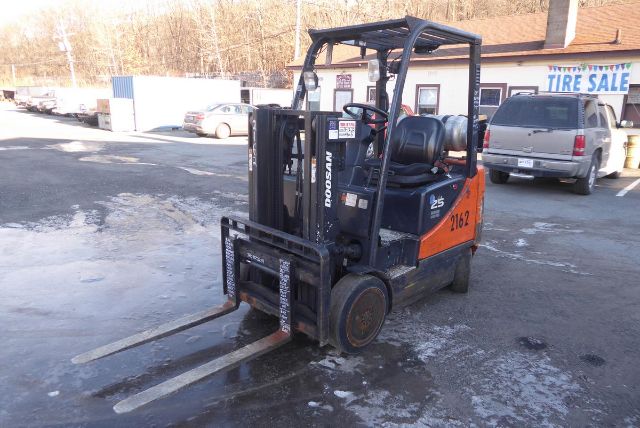
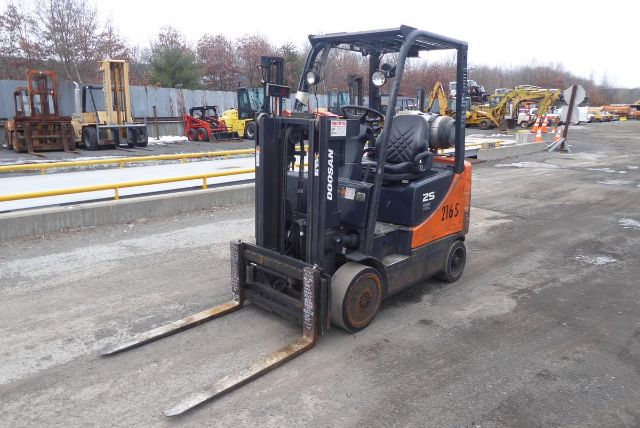
Have 2012 lifts - fork equipment to sell? List it here to reach thousands of buyers.
2012 Lifts - Fork
Fuel type matters because it affects operating cost, service needs, and where the lift can be used. Many 2012 forklifts are LP gas units with simple, familiar drivetrains and quick refueling, which makes them common in mixed indoor and outdoor applications. Diesel models are more common in heavier-capacity and outdoor work, especially where long run time and torque matter. Electric units are also widely seen in this era for warehouse use, with lower noise and no engine emissions, but battery age, charger compatibility, and shift runtime need close attention. Transmission response, cold-start behavior, hydraulic smoothness, and mast function are usually more important on a used fork lift than brand name alone.
Mast configuration and attachment setup should be matched to the work. A 2-stage mast is common where lower collapsed height is important, while a 3-stage mast helps when higher stacking is required in tighter indoor spaces. Side shift is one of the most valuable options because it speeds pallet placement and reduces repositioning. Fork length, carriage width, back tilt, and overall lowered height all affect real-world usability at docks, in trailers, and under door clearances. Tire type is just as important. Cushion or solid tires suit smooth concrete floors, while pneumatic tires are better for rougher yards and outdoor lots. Buyers should also look closely at chain wear, mast rollers, steer axle play, hydraulic cylinder seepage, brake performance, and hour meter credibility.
For a 2012 used forklift, the best value usually comes from matching the machine to the actual load profile instead of buying only by rated capacity. Load center, attachment weight, and lift height can reduce true usable capacity. It also pays to confirm parts support, especially for LP fuel system components, electrical controls, and mast seals. A well-matched fork lift from this model year can still handle dock work, warehouse replenishment, manufacturing support, and general freight movement efficiently if the fundamentals are sound.
Frequently Asked Questions about 2012 Lifts - Fork
What should I check first on a 2012 fork lift?
Start with the data plate, rated capacity, mast height, and fuel type, then inspect the basics that affect daily operation. Check hydraulic lift and tilt functions under load if possible, look for mast chain wear, cylinder seepage, steer axle looseness, brake response, and tire condition. On engine-powered units, pay attention to starting, smoke, idle quality, and transmission engagement. On electric units, battery age and charger condition can be as important as the truck itself.
Is a 2012 forklift too old for daily commercial use?
Not necessarily. A 2012 forklift can still be a dependable daily machine if it has been maintained and the application matches its design. Many lifts from this period remain productive in warehouses, yards, and industrial plants because the core components are durable and parts support is often still available. Condition matters more than model year alone, especially with hours, mast wear, hydraulic health, and service history.
What capacity range is most common for used fork lifts from this year?
A large share of the used market falls in the 3,000 to 5,000 lb range because those trucks fit general warehouse, dock, and pallet handling work. Heavier units are also available for outdoor material handling, steel, lumber, and industrial loads. Buyers should remember that actual usable capacity changes with load center, lift height, and any attachment installed, so the nameplate rating is only the starting point.
Should I choose cushion tires or pneumatic tires on a used forklift?
Cushion tires are usually better for smooth indoor floors where tighter turning radius and lower overall height matter. Pneumatic tires are better for broken pavement, gravel, outdoor yards, and uneven surfaces because they improve traction and ride quality. The right choice depends on where the machine will spend most of its time, since tire type has a direct effect on stability, operator comfort, and floor clearance.
Which options are most valuable on a used fork lift?
Side shift is one of the most useful options because it improves pallet placement speed and reduces repeated repositioning. A 3-stage mast can be important when higher stacking is needed without sacrificing indoor access, and fork positioners or specialty attachments can add value in the right application. The best options are the ones that fit the load type and work area, because every attachment also affects service complexity and usable capacity.