
John Deere Equipment For Sale in New York
Browse John Deere trucking equipment for sale in New York, including used commercial units, specs, applications, and buyer tips.
Selling a john deere equipment? List your john deere equipment for sale and reach thousands of commercial buyers.
John Deere Equipment in New York
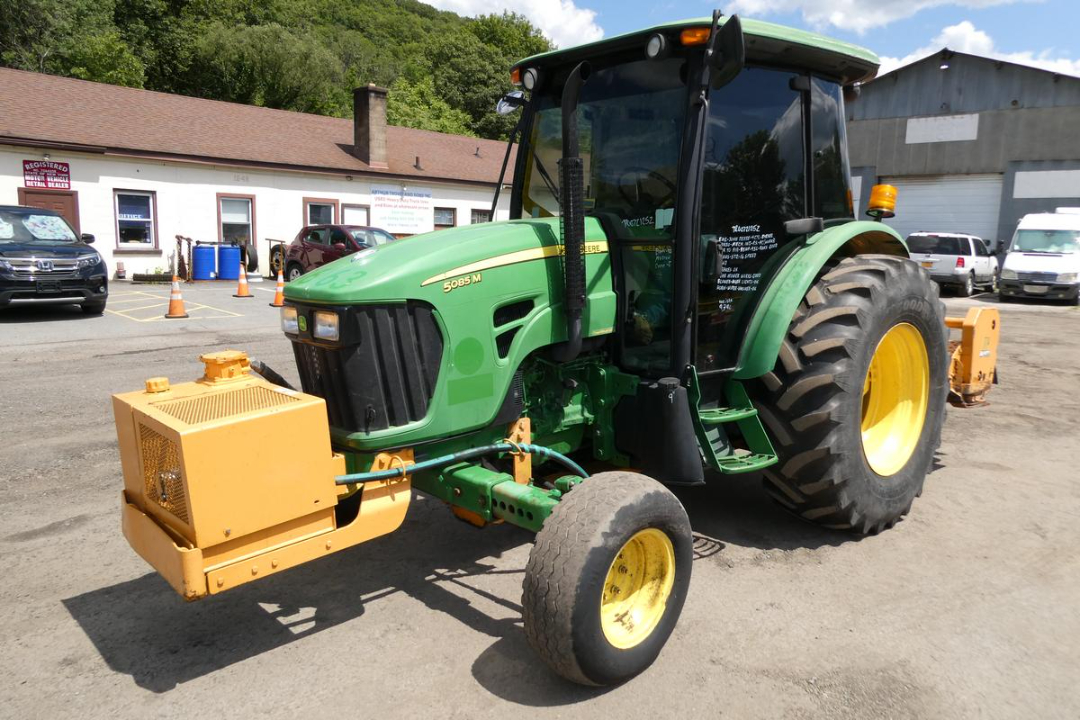
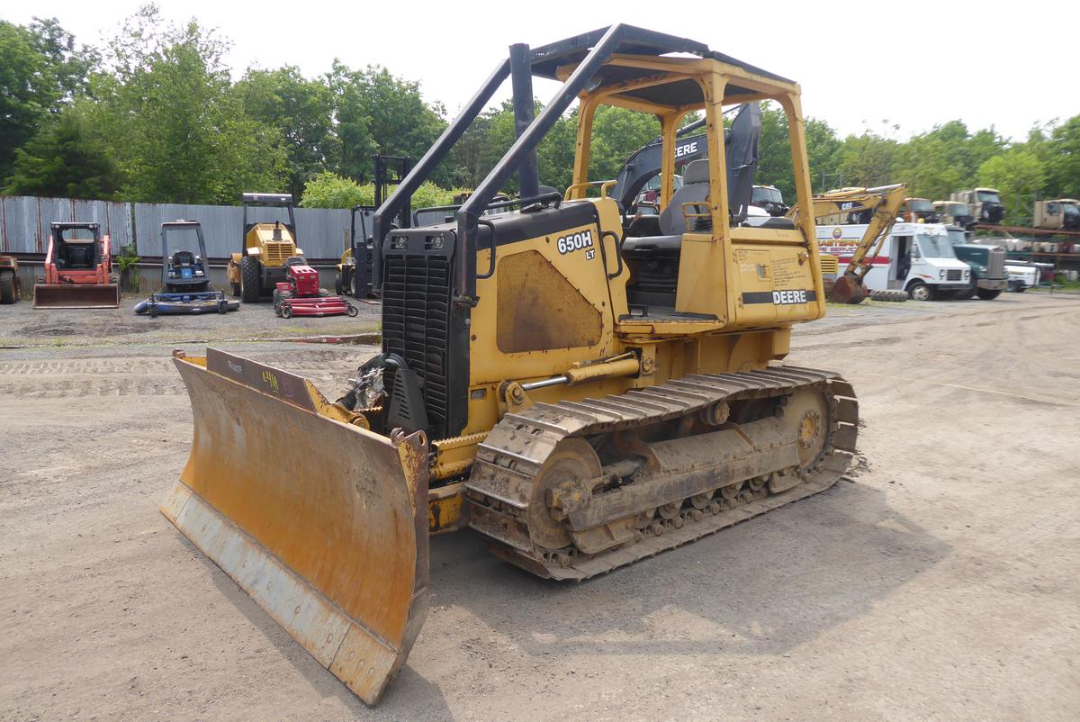
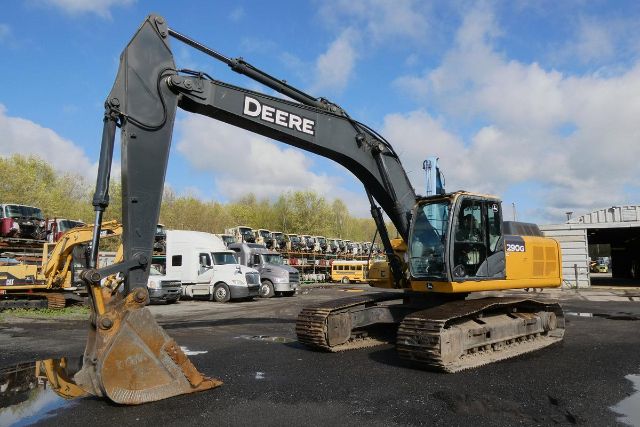
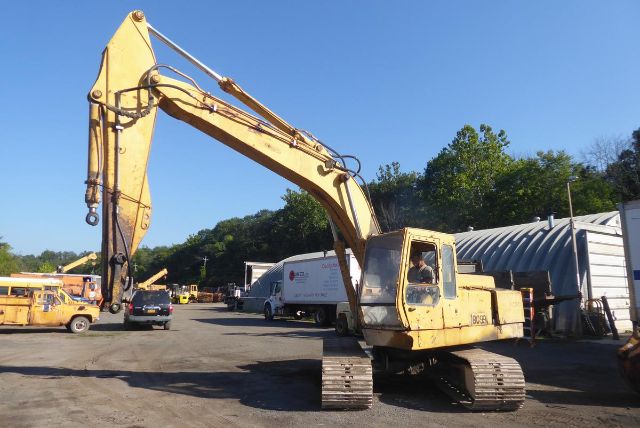
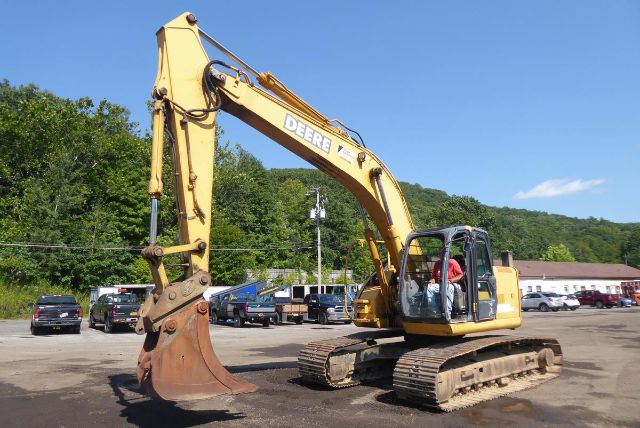
The first decision is application. A John Deere excavator is a different buy than a Deere tractor or crawler, even if both are being sourced by the same trucking business. Excavators are common for pipe work, demolition support, storm cleanup, and material handling around job sites. Important specs include operating weight, boom and stick length, auxiliary hydraulics, undercarriage condition, and swing bearing or pin and bushing wear. Crawler dozers are more about blade configuration, track condition, hydrostatic drive response, and how much undercarriage life is left. Agricultural tractors used in trucking support roles are often bought for mowing terminals, maintaining access roads, snow work, or pulling implements, so PTO horsepower, 2WD versus MFWD, cab condition, hitch setup, and hydraulic capacity matter more than road speed.
Condition is where most used John Deere equipment purchases are won or lost. Hour meter readings help, but they should be backed up by visual inspection and service history. Buyers should pay close attention to engine blow-by, cold-start behavior, hydraulic leaks, joystick and control response, final drives, roller wear, track pad life, and any play in boom, arm, blade, or bucket linkage. On excavators and dozers, undercarriage replacement is one of the biggest cost factors, so remaining percentage is not a small detail. In New York, corrosion, winter starting performance, cab heat, glass condition, and how a machine was stored can matter as much as the headline specs. If the equipment will be moved regularly between jobs, transport width, shipping height, and total operating weight also affect permitting, trailer selection, and hauling cost.
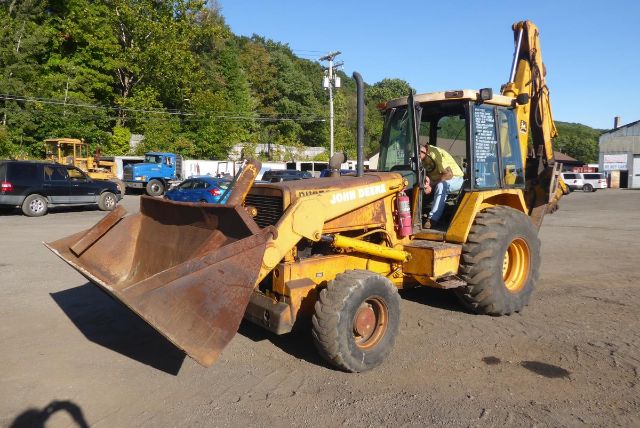
John Deere remains a practical equipment choice for fleets that need recognizable controls, broad dealer coverage, and a deep used-parts ecosystem. Buyers comparing multiple John Deere units should look beyond year and model alone and match the machine to the actual duty cycle. A higher-hour machine with solid hydraulics, a tighter house or blade, and better undercarriage life can be a better value than a newer unit with neglected wear points. For trucking companies, contractors, and municipalities buying John Deere equipment in New York, the right purchase usually comes down to application fit, transportability, service access, and a realistic estimate of reconditioning cost before the machine goes to work.
Frequently Asked Questions about John Deere Equipment in New York
What types of John Deere equipment are most relevant to trucking operations?
John Deere equipment tied to trucking operations usually includes excavators, crawler dozers, farm tractors, and other vocational support machines rather than highway semis. These units are commonly used for loading, grading, site prep, terminal maintenance, snow removal, mowing, drainage work, and right-of-way upkeep. For a trucking company, the best fit depends on whether the machine will support a construction fleet, a municipal contract, a yard maintenance program, or an agricultural hauling operation.
What should I inspect first on used John Deere excavators and dozers?
Start with undercarriage condition, hydraulic performance, engine health, and structural wear. On an excavator, check boom and stick pins, bucket linkage, swing bearing play, final drives, and auxiliary hydraulic plumbing. On a dozer, inspect rails, sprockets, idlers, rollers, blade pins, cutting edge, and steering response through the hydrostatic drive. A machine can run and still need major money in tracks, cylinders, injectors, or linkage, so visible wear and repair history matter more than paint or decals.
Is high-hour John Deere equipment still worth buying?
High-hour John Deere equipment can still be a sound purchase if it has been maintained properly and the wear components match the asking price. Many buyers prefer a machine with documented service, strong hydraulics, and usable undercarriage life over a lower-hour unit with neglected maintenance. The key is to estimate remaining life in the expensive systems, especially tracks, pumps, cylinders, injectors, and structural joints, then compare that number to the machine's intended workload and annual utilization.
How does location in New York affect a used equipment purchase?
New York buyers should account for cold-weather starting, corrosion exposure, cab heat, glass and seal condition, and the effects of seasonal storage. Machines used around road salt, municipal yards, and winter service routes often show more rust and electrical wear than similar units from drier regions. Transport also matters because width, height, and operating weight can change permit needs, route planning, and trailer choice when moving equipment between jobs across the state.
Why do transport dimensions matter when buying John Deere equipment for a trucking fleet?
Transport dimensions directly affect how easily the machine fits into an existing hauling operation. Operating weight, overall width, boom or blade configuration, and shipping height determine whether a standard equipment trailer will work or whether permits, escorts, or a different lowboy setup will be required. For fleets that move machines often, a slightly smaller unit with easier legal transport can reduce downtime and hauling cost enough to outweigh the benefit of a larger machine.