
Used Hyundai Equipment For Sale
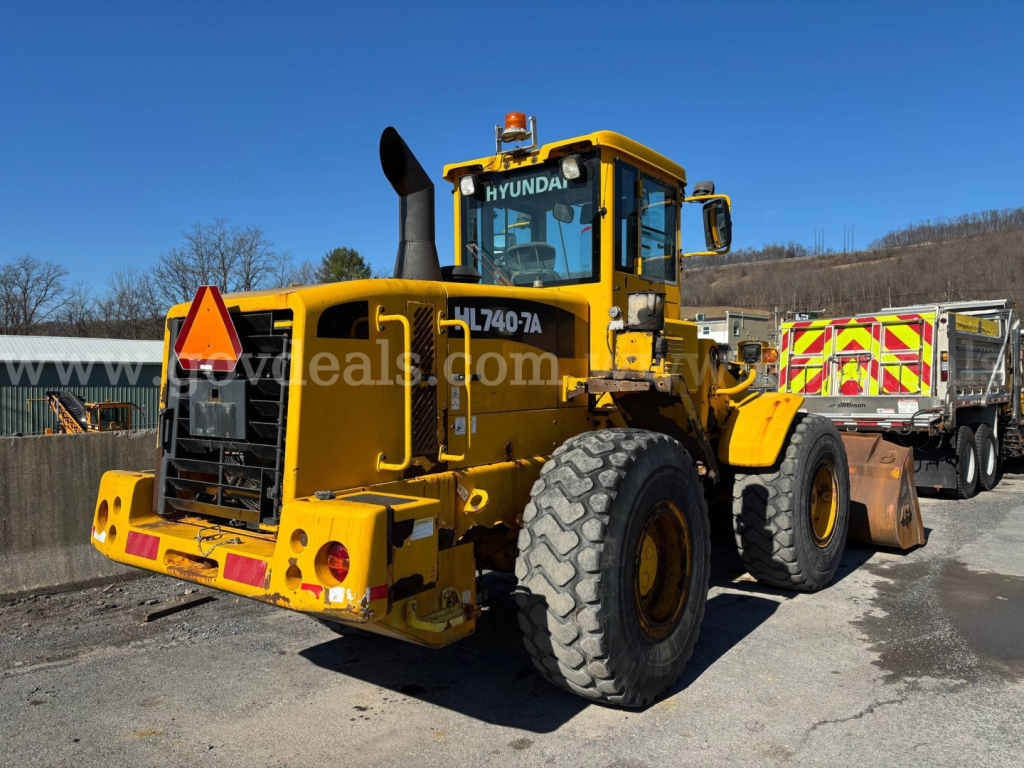
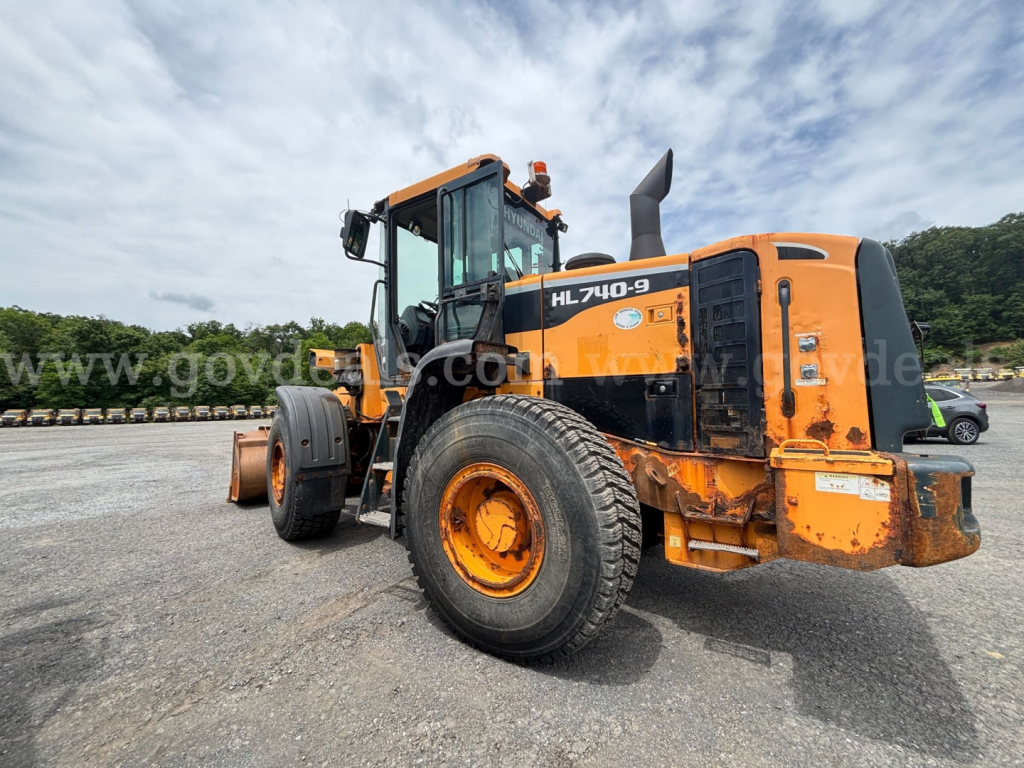
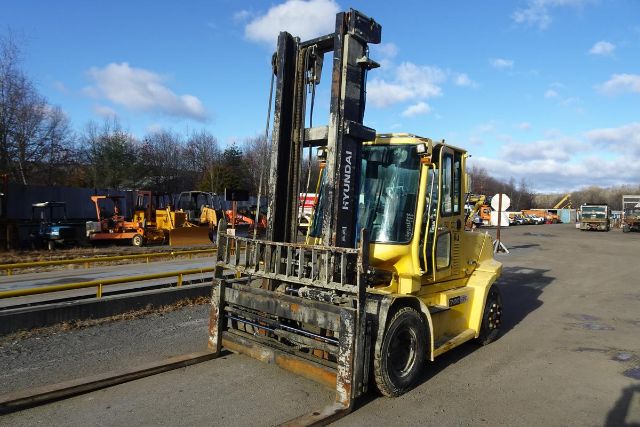
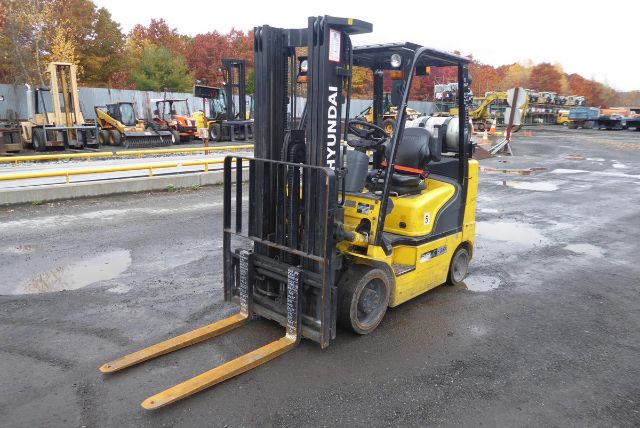
Have used hyundai equipment to sell? List it here to reach thousands of buyers.
Used Hyundai Equipment
Capacity is the first buying decision. Smaller cushion-tire units in the roughly 4,000 to 5,000 lb class are common for indoor loading docks and warehouse aisles, especially where propane power and tighter turning radius matter. Larger pneumatic-tire diesel units can move into the 15,000 lb range and beyond for heavier freight, lumber, machinery, steel, and outdoor yard work. Mast setup matters as much as rated capacity. Buyers should look closely at duplex or triplex mast design, collapsed height for door clearance, maximum lift height, and whether the truck includes side shift or fork positioners. Attachments can change how useful the machine is in daily service, but they also affect net lifting capacity.
Powertrain and running surface should match the jobsite. Propane forklifts are common for mixed indoor-outdoor work because refueling is fast and emissions are manageable in ventilated spaces. Diesel Hyundai units are better suited to outdoor use, heavier lifts, and rougher duty cycles. Cushion tires are typical on smooth concrete floors, while pneumatic or air-filled tires handle broken pavement, gravel, and yard conditions better. On used equipment, buyers should pay attention to hour meter readings, cold-start behavior, transmission engagement, hydraulic response, mast chain wear, cylinder leakage, steer axle play, and brake condition. Fork condition also deserves a close look, including heel wear, straightness, and matching fork dimensions for the intended loads.
A good used Hyundai forklift should be evaluated like any revenue-supporting fleet asset. Check the data plate to confirm rated capacity at the actual load center, review service history if available, and inspect the mast rollers, carriage, hoses, and tilt functions under load. Enclosed cabs, glass condition, lighting, and operator comfort features can matter in colder regions or all-day outdoor applications. For trucking operations, the right Hyundai material handling unit can reduce load times, improve yard efficiency, and support safer freight handling when its lift specs, tire setup, and attachments are matched to the work.
Frequently Asked Questions about Used Hyundai Equipment
What types of used Hyundai trucking equipment are most common?
The most common Hyundai trucking equipment on the used market is forklifts, also called lift trucks or fork lifts. These units are used for loading and unloading trailers, moving palletized freight, staging materials, and handling heavy products in yards or warehouses. Hyundai models can range from smaller propane warehouse forklifts to larger diesel pneumatic-tire units built for outdoor industrial work.
How do I choose the right Hyundai forklift capacity?
Start with the heaviest load you expect to handle, then verify the actual load center and lift height required. A forklift's rated capacity can drop when using longer forks, higher lift heights, or attachments like side shifts and fork positioners. Buyers should leave a safety margin above normal working loads and confirm the capacity shown on the machine's data plate, not just the model class or seller description.
What is the difference between cushion-tire and pneumatic-tire Hyundai forklifts?
Cushion-tire forklifts are generally used indoors on smooth concrete and in tighter warehouse environments because they sit lower and turn more tightly. Pneumatic-tire forklifts are better for outdoor work, uneven pavement, gravel, and rougher yard conditions. The tire type has a major effect on ride quality, traction, operating environment, and overall suitability for dock versus yard service.
What should I inspect on a used Hyundai forklift before buying?
Focus on hydraulic performance, mast and carriage wear, engine condition, transmission operation, steering response, brake function, and fork wear. Check for leaking cylinders, damaged hoses, chain wear, loose mast rollers, and uneven tire wear. It is also important to confirm hour meter accuracy, review maintenance records when available, and test lift and tilt functions under load if possible.
Are Hyundai forklifts a good fit for trucking and freight operations?
Yes, Hyundai forklifts are commonly used in trucking, warehousing, and freight-handling environments where dependable loading equipment is needed. They can be a strong fit for cross-dock work, flatbed freight handling, yard staging, and warehouse support when the machine's capacity, mast height, fuel type, and tires are matched to the application. The best results come from choosing a unit built for the actual surfaces, load weights, and duty cycle in your operation.