
Hyster Equipment For Sale in New York
Shop Hyster trucking equipment in New York, including forklifts and material handling units with diesel, propane, and electric power options.
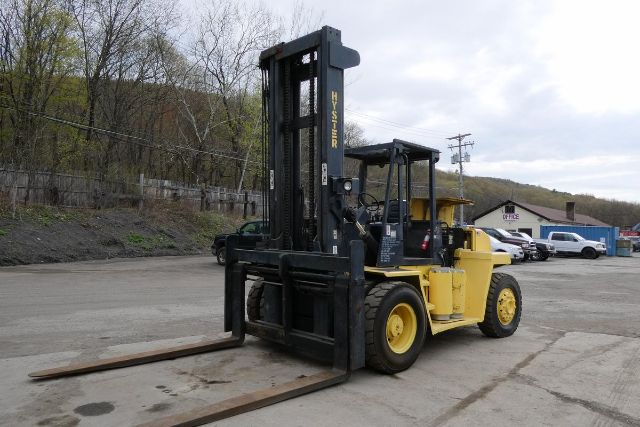
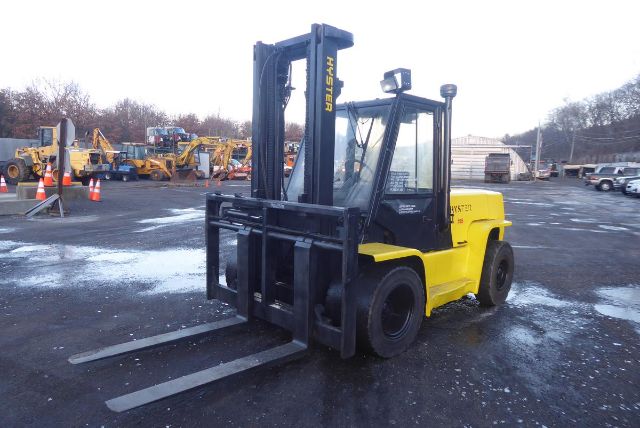
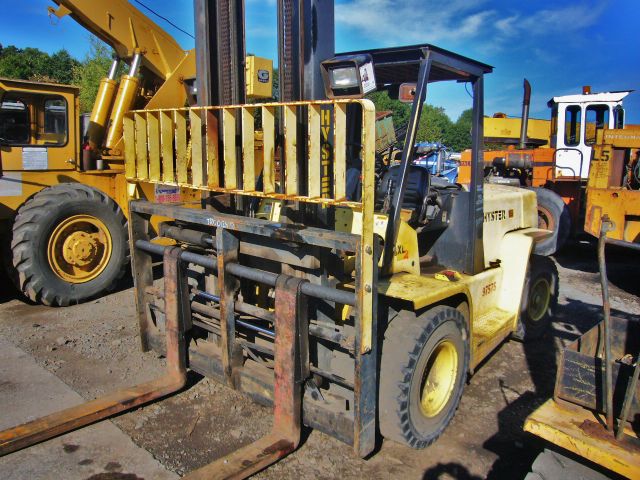
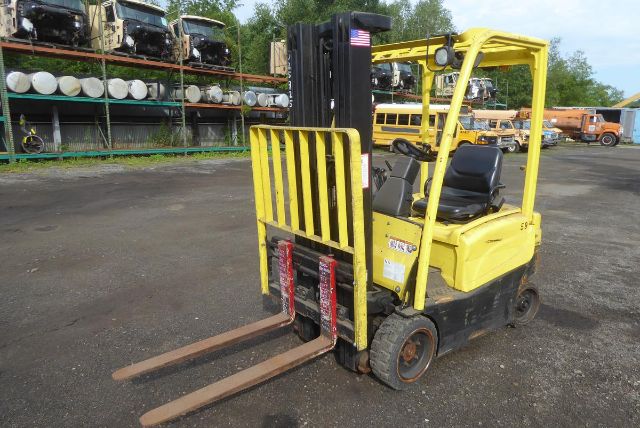
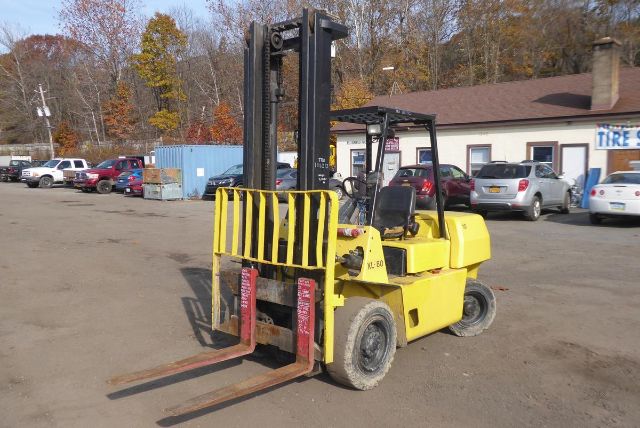
Selling a hyster equipment? List your hyster equipment for sale and reach thousands of commercial buyers.
Hyster Equipment in New York
A serious buying decision starts with the application. Electric Hyster forklifts are a strong fit for indoor use where emissions, turning radius, and lower operating noise matter. Battery voltage, amp-hour rating, charger compatibility, and remaining battery life should be checked closely because battery replacement can change the real cost of ownership. Diesel and LPG Hyster forklifts are typically better suited for outdoor yards and rougher duty cycles, especially when the machine will spend long hours handling heavier loads. On internal combustion models, buyers should pay attention to engine type, transmission response, cold-start behavior, hydraulic performance under load, and whether the unit uses solid pneumatic, cushion, or air-filled tires.
Mast and attachment setup can be just as important as rated capacity. A forklift with a triple mast, side shift, or hydraulic fork positioners can be much more productive in tight loading areas, but those features also affect service needs and real-world lift performance. Buyers should confirm lowered mast height for door clearance, maximum lift height, back tilt, fork length, and the truck’s actual capacity at the stated load center. Long forks, dual masts, and added attachments can de-rate lifting capacity, which is critical when handling steel, lumber, machinery, or oversized pallet freight. In New York, that can also matter for operations working in older industrial buildings where clearance and floor loading are limited.
Condition matters more than age on this equipment class. Hour meter readings help, but they do not tell the full story without checking mast rollers, chains, carriage wear, steer axle play, hydraulic cylinder seepage, brake function, and tire condition. Hyster has a long-standing reputation for durable forklifts with good parts support, which makes older units viable if maintenance has been consistent. For a buyer comparing multiple Hyster machines, the best value usually comes from matching the truck’s fuel type, tire setup, mast height, and attachment package to the exact freight and environment rather than simply choosing the highest stated capacity.
Frequently Asked Questions about Hyster Equipment in New York
What should I look at first when buying used Hyster forklifts or material handling equipment?
Start with rated capacity, mast type, and power source because those three factors determine whether the machine fits the job. After that, inspect fork wear, mast channels, lift chains, hydraulic cylinders, transmission engagement, brake response, and tire condition. On electric units, battery age and charger condition can be as important as the forklift itself. On diesel or propane models, engine starting, smoke, leaks, and hydraulic performance under load are key indicators of remaining service life.
Are electric or diesel Hyster forklifts better for trucking and freight operations?
Electric Hyster forklifts are generally better for indoor docks, warehouses, and enclosed freight handling areas where emissions and noise control matter. Diesel units are usually the better choice for outdoor yards, heavier lifts, and longer run times without battery charging downtime. Propane sits between the two and is common in mixed indoor-outdoor use, depending on ventilation and site rules. The better option depends on the weight of the freight, number of shifts, charging or fueling access, and whether the machine will work mainly inside or outside.
How do mast height and fork length affect forklift performance?
Mast height affects both lifting reach and the forklift’s collapsed height, which determines whether it can clear doors, trailers, and low overhead structures. Fork length changes how the load is supported and can reduce usable capacity if the load center moves farther forward. Attachments such as side shift and hydraulic fork positioners improve handling efficiency, but they also add weight and can alter the capacity rating. Buyers should verify the data plate and confirm actual capacity in the current configuration, not just the base model specification.
Is a higher hour meter reading a deal breaker on a Hyster forklift?
Not necessarily. Many Hyster forklifts remain productive at higher hours if they have been maintained properly and used in the right application. A lower-hour machine with poor maintenance can be a worse buy than a higher-hour unit with dry hydraulics, tight mast components, good tires, and strong driveline performance. Service records, visible wear points, and the way the machine operates under load are usually better indicators than the hour meter alone.
What capacity range is common on Hyster forklifts used around freight yards and warehouses?
Hyster forklifts cover a wide range, but common units in trucking, warehouse, and yard service often fall between about 3,000 and 15,000 pounds of lift capacity. Smaller electric trucks are common for pallet handling and dock work, while larger diesel or propane models are used for heavier freight, bundled materials, machinery, and outdoor loading. The right capacity should include a margin for the actual load center, attachment weight, and any long-fork application that may reduce the effective rating.