
Used Grove Equipment For Sale in New York
Have used grove equipment to sell? List it here to reach thousands of buyers.
Used Grove Equipment in New York
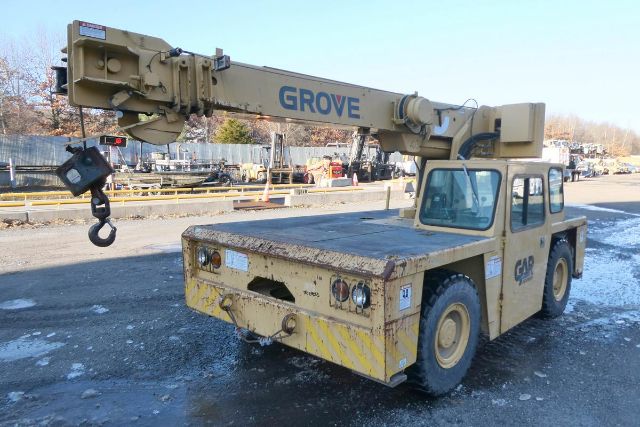
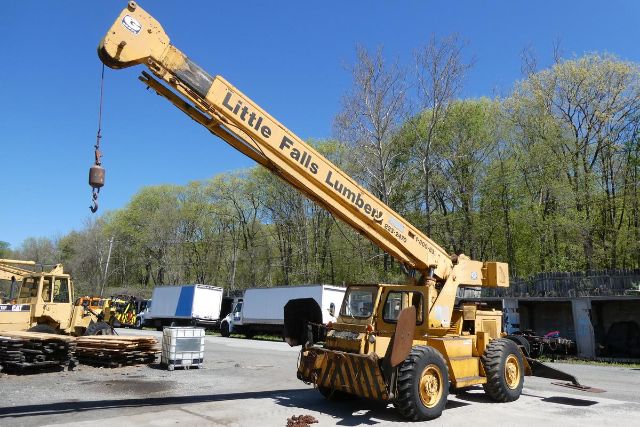
For crane applications, capacity and chart matter more than headline model size. Buyers should compare main boom length, jib availability, number of boom sections, winch setup, swing function, and the machine's actual operating weight before making a decision. Grove cranes commonly appear with diesel or dual-fuel power, automatic or powershift-style transmissions, and tire packages suited to rough-terrain or industrial yard work. If the machine will be used around warehouses, steel yards, precast, mechanical contractors, or municipal maintenance fleets in New York, pay close attention to overall width, transport height, axle loading, and turning radius. Older Grove equipment can be very durable, but wear in turntables, lift cylinders, cable systems, brake components, and outriggers is a major buying checkpoint.
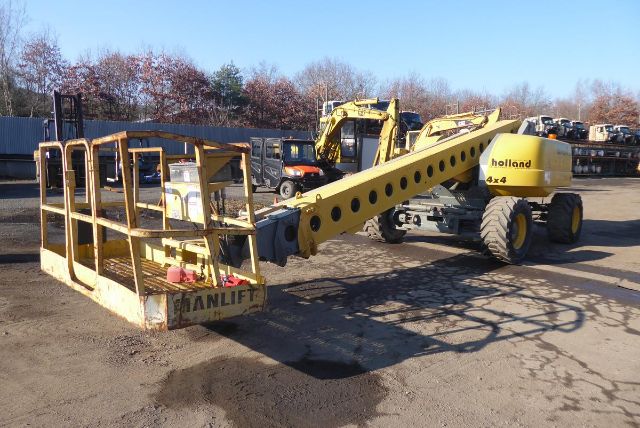
For boom lifts and access equipment, the key numbers are platform height, horizontal outreach, platform capacity, drive configuration, and steering mode. Many Grove boom lifts were built for demanding site conditions, so all-wheel drive, hydrostatic drive systems, and compact overall dimensions are common features that affect maneuverability and serviceability. On used examples, hydraulic response, basket condition, control smoothness, tire condition, and any structural repairs should be evaluated carefully. Machines that have spent years outdoors in the Northeast may also show rust, weathered wiring, cracked glass, and cosmetic corrosion that do not always stop operation but do affect long-term maintenance cost.
A good used Grove unit is usually bought by matching the machine to the lift plan, the work surface, and the support network for parts and service. Buyers should verify hour meter readings against overall wear, confirm serial and spec information, and review inspection records for boom sections, pins, bushings, sheaves, hoses, and safety systems. If road movement is part of the job, transport dimensions and permit requirements should be considered early. Grove remains a recognized name in lifting equipment, and the best used machines tend to be the ones with clear maintenance history, functional hydraulics, and specifications that fit the exact work cycle instead of simply offering the biggest reach or capacity on paper.
Frequently Asked Questions about Used Grove Equipment in New York
What should I check first on used Grove cranes and lifting equipment?
Start with the hydraulic system, boom structure, and the machine's rated capacity chart. A used Grove unit may still run and operate while hiding expensive issues such as seeping lift cylinders, turntable wear, hose deterioration, winch problems, or brake defects. Buyers should inspect boom sections for damage or repairs, check pins and bushings for play, verify steering and drive functions, and confirm that safety systems and controls work correctly. Service records and serial number verification are especially important on older units.
Are older used Grove machines still practical to own?
Yes, many older Grove machines are still practical if they were maintained correctly and the application fits the machine. Grove built durable cranes, carry deck units, and boom lifts that can remain productive in yards, plants, contractor fleets, and maintenance operations. The tradeoff is that older equipment often needs closer attention to hydraulics, electrical components, seals, tires, brake systems, and structural wear. Parts support should be researched before purchase, especially for discontinued models.
How do I choose between a Grove crane and a Grove boom lift?
The decision comes down to the job. A Grove crane is intended for lifting and placing material based on a load chart, boom length, and capacity rating. A Grove boom lift is intended to elevate personnel and tools to a working height with a defined platform capacity and horizontal reach. If the task involves steel, pipe, equipment, or building materials, a crane is the correct category. If the task involves access for electricians, maintenance crews, sign work, or facility repairs, a boom lift is usually the better fit.
What used Grove specs matter most for buyers in New York?
Transport dimensions, operating weight, turning radius, and ground suitability are especially important in New York. Urban jobs, industrial properties, and tighter municipal sites can limit machine width, overall height, and trailer loading options. Buyers should also consider cold-weather starting, corrosion from Northeast exposure, tire condition, and whether the machine's size and axle loading will create permit or transport complications. On lifting equipment, local jobsite compliance and inspection readiness also matter.
Why is the load chart or platform rating more important than model name alone?
The model name gives only a general size class. Real buying decisions should be based on the actual rated lifting chart for a crane or the confirmed platform height, outreach, and basket capacity for a boom lift. Two machines in the same family can differ in boom sections, jib configuration, counterweight setup, drive system, or steering arrangement. Buyers who focus on charted performance and physical dimensions usually avoid the mismatch that happens when a machine looks large enough but cannot safely perform the required work.