
Grove Equipment For Sale in New York
Have grove equipment to sell? List it here to reach thousands of buyers.
Grove Equipment in New York
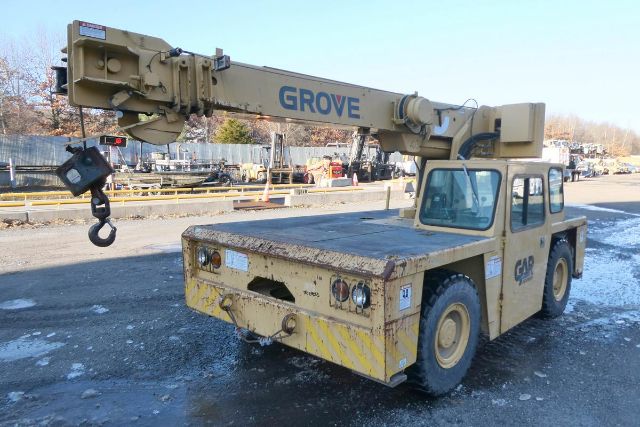
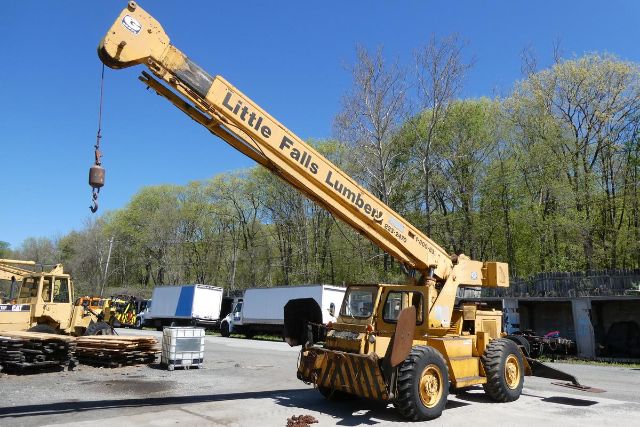
A Grove crane can range from compact carry deck machines used inside plants and pipe yards to larger rough-terrain or truck-style units built for heavier picks and longer reach. Key specs to evaluate include rated capacity in tons, main boom length, jib length, swing function, outrigger setup, and hydraulic condition. Older Grove cranes are common on the used market and can still be productive machines, but buyers should pay close attention to boom wear, cable condition, turntable play, lift cylinder seepage, brake performance, steering modes, and hour meter consistency. On units with enclosed cabs, glass, controls, gauges, and heater operation also affect usability and safety.
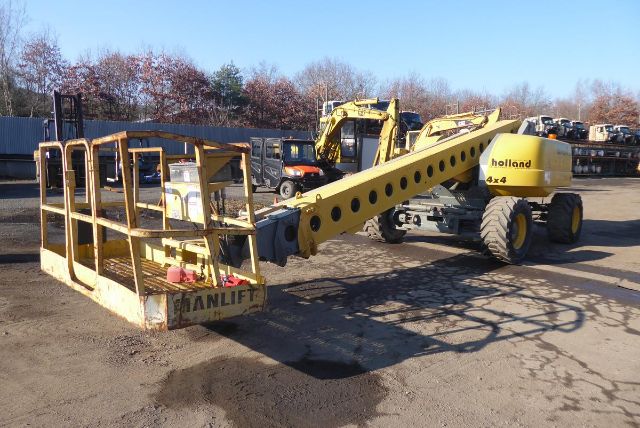
Grove boom lifts are a different part of the line but attract many of the same buyers in construction, maintenance, and utility support. Important decision points include platform height, horizontal outreach, basket capacity, drive configuration, gradeability, tire type, and overall stowed dimensions. Four-wheel drive and tight turning characteristics are valuable on uneven ground, while narrower machines are easier to position around buildings and in congested work zones. Hydraulic response, basket controls, emergency lowering systems, and tire condition tend to be more important in daily use than cosmetic appearance.
For a buyer comparing Grove equipment listings, the real question is job fit. A 10-ton carry deck crane suits plant maintenance, steel handling, and short-radius picks. A larger crane with a multi-section boom and jib is better for structural work, equipment setting, and heavier lifts with more reach. A Grove boom lift is the better choice when the work is personnel access rather than suspended loads. Matching the machine to lift requirements, transport needs, parts support, and inspection standards will usually matter more than model year alone, especially on older Grove equipment that may still have strong mechanical value.
Frequently Asked Questions about Grove Equipment in New York
What types of trucking equipment is Grove best known for?
Grove is best known for mobile lifting equipment, especially cranes and boom lifts. In the trucking and commercial equipment market, that usually means carry deck cranes, rough-terrain cranes, truck-mounted or roadable crane configurations, and self-propelled boom lifts. Buyers typically shop Grove when they need lifting capacity, jobsite mobility, and proven hydraulic systems rather than a standard over-the-road truck application.
What should I inspect first on a used Grove crane?
Start with the structural and hydraulic components that directly affect lifting performance. Review the boom sections for wear, cracks, and extension issues, inspect wire rope and sheaves, check the turntable for excess play, and look for seepage at lift cylinders, swivel joints, and hydraulic lines. Brake function, steering modes, outrigger operation, and load chart legibility are also critical. A crane that runs well but has unresolved hydraulic or structural issues can become expensive very quickly.
How do I choose between a Grove crane and a Grove boom lift?
The choice comes down to the job. A Grove crane is built to lift and place material, equipment, steel, pipe, or components by load rating and radius. A Grove boom lift is built for personnel access at height, with platform capacity and horizontal outreach as the main performance metrics. If the task involves suspended loads, rigging, and lift charts, a crane is the correct machine. If the task is maintenance, installation, or inspection work performed by workers in a basket, a boom lift is the better fit.
Are older Grove machines still worth buying?
Many older Grove machines can still be solid purchases if they have been maintained and their core systems remain sound. Grove has a long reputation in the lifting market, and older units are often kept in service because of durable frames, straightforward mechanical systems, and familiar controls. The tradeoff is that age increases the importance of inspection records, wear-item replacement, hydraulic condition, and parts availability. Buyers should weigh purchase price against repair exposure and compliance needs.
What specs matter most when comparing Grove equipment listings?
For cranes, focus on rated lifting capacity, boom length, jib length, outrigger configuration, operating weight, transport dimensions, steering setup, and engine and hydraulic condition. For boom lifts, focus on platform height, horizontal reach, basket capacity, drive type, machine width, tire setup, and control response. In both cases, dimensions, weight, and mobility can be just as important as the headline capacity because they determine how easily the machine can be moved, permitted, and used on the jobs you actually run.