
Used Ford Equipment For Sale
Shop used Ford trucking equipment including F-Series commercial trucks. Compare GVWR, cab styles, diesel options, PTO setups, and body applications.
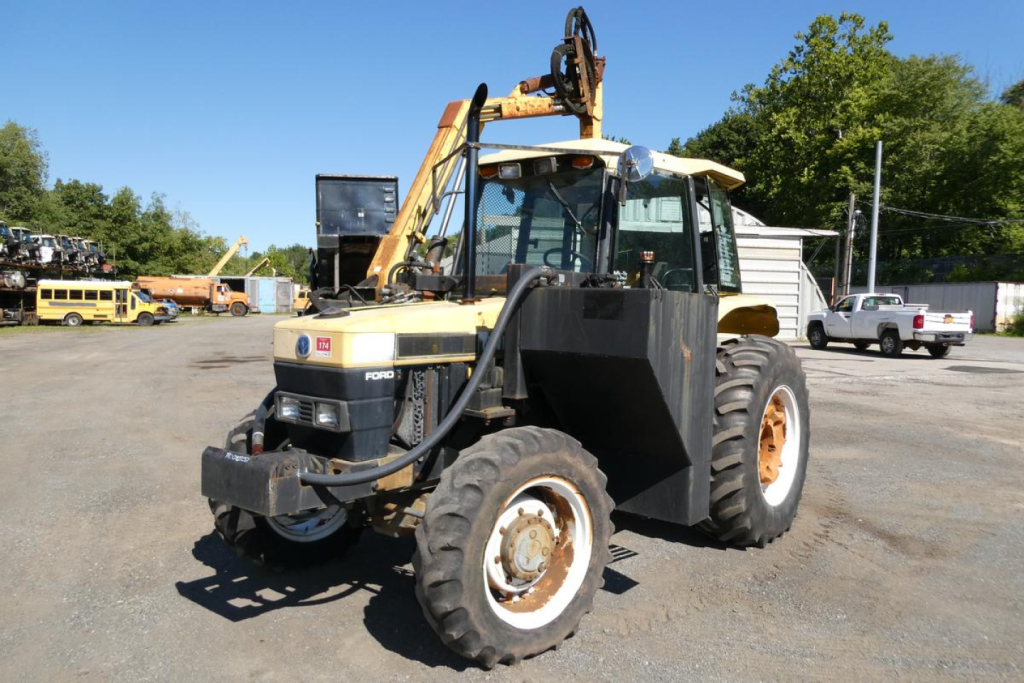
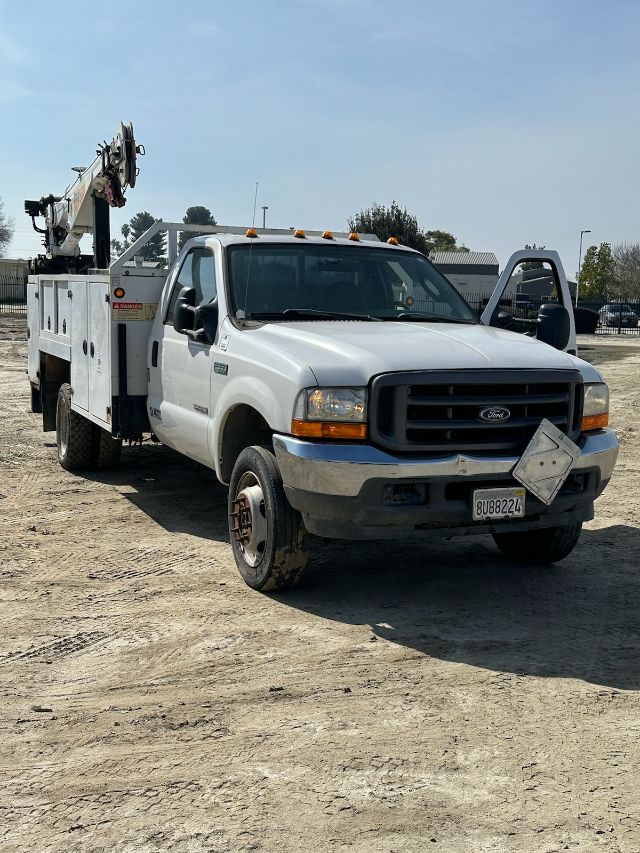
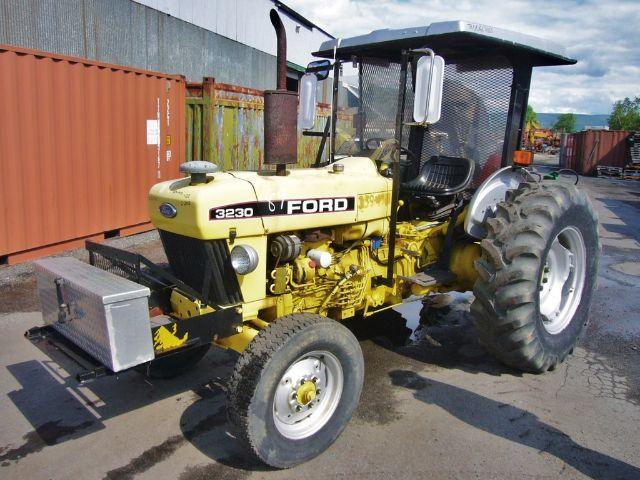
Selling a used ford equipment? List your used ford equipment for sale and reach thousands of commercial buyers.
Used Ford Equipment
The first decision is usually chassis class and body compatibility. Ford Super Duty models such as the F-350, F-450, and F-550 are often used for lighter commercial work, while heavier Ford medium-duty platforms like the F-650 and F-750 are built for higher GVWR requirements, larger payloads, and more demanding upfit needs. Buyers should pay close attention to wheelbase, cab-to-axle measurement, rear axle rating, suspension type, and PTO provisions if the truck will run hydraulic equipment, a dump body, compressor, crane, or recovery system. On used units, body condition matters as much as the chassis. Check crossmembers, hoist mounts, frame modifications, rust around attachment points, and whether the upfit was properly integrated with the electrical and hydraulic systems.
Powertrain choices vary widely by model year. Older Ford commercial trucks may carry gasoline V8 engines, Power Stroke diesel engines, or in some medium-duty applications, commercial diesels sourced for heavier service cycles. Transmission type, rear gear ratio, and brake system spec should match the intended route and payload profile. A truck set up for stop-and-go urban work will differ from one intended for towing, equipment hauling, or sustained highway operation. Service records are important on used Ford trucks because many have spent years in fleet service, and that can be a benefit if maintenance intervals, engine hours, PTO use, and body repairs were documented consistently.
Cab configuration and operating environment also deserve close attention. Regular cab, SuperCab, and crew cab layouts affect body length, storage, and crew capacity. Four-wheel drive can add value in utility, off-pavement, and winter service applications, while two-wheel drive usually brings lower operating complexity and better payload efficiency. Buyers comparing used Ford trucking equipment should look beyond engine miles alone and evaluate idle time, hydraulic wear, frame integrity, brake and tire condition, electrical accessory function, and the availability of replacement parts for both the chassis and the installed body. A well-matched Ford work truck can still be a practical, cost-effective platform when the chassis rating, body spec, and duty cycle line up correctly.
Frequently Asked Questions about Used Ford Equipment
What types of used Ford trucking equipment are most common on the market?
The most common used Ford trucking equipment includes F-Series commercial trucks set up as flatbeds, service trucks, dump trucks, utility bodies, box trucks, stake beds, bucket trucks, and rollbacks. Lighter-duty buyers often focus on F-350 through F-550 chassis, while heavier vocational applications may point toward F-650 or F-750 trucks. The body and upfit usually define the truck's real value, so buyers should evaluate the complete package rather than the chassis alone.
What should I check first on a used Ford work truck?
Start with GVWR, axle ratings, wheelbase, and cab-to-axle dimensions to confirm the truck can legally and practically handle the intended body and payload. After that, inspect frame condition, rust, suspension wear, brake life, tire condition, PTO operation if equipped, and signs of hard fleet use such as excessive idle hours or hydraulic wear. On vocational trucks, poor body installation, frame drilling, wiring issues, and neglected hydraulic maintenance can create more problems than normal engine wear.
Are older Ford diesel trucks still a good commercial buy?
They can be, but the answer depends on maintenance history, emissions complexity by model year, and the intended use. An older Ford diesel truck with documented service, a sound transmission, and a properly maintained chassis can still perform well in local or seasonal commercial service. Buyers should balance engine reputation with practical concerns such as cold-start behavior, injector or turbo service history, cooling system condition, and the availability of parts and qualified service support in their area.
How do I choose between an F-550 and a heavier Ford medium-duty truck?
An F-550 is commonly chosen for tighter jobsite access, lighter upfits, and jobs that benefit from pickup-based serviceability and maneuverability. A Ford medium-duty truck such as an F-650 or F-750 is better suited for heavier bodies, larger payloads, higher GVWR requirements, and more demanding daily commercial cycles. The right choice comes down to body weight, cargo weight, route type, braking needs, and whether the truck will spend most of its time in local service or under heavier continuous loads.