
Used Agriculture - Tractors For Sale in New York
Browse used agricultural tractors for sale in New York, including utility and field models with common horsepower, PTO, 2WD, 4WD, and loader options.
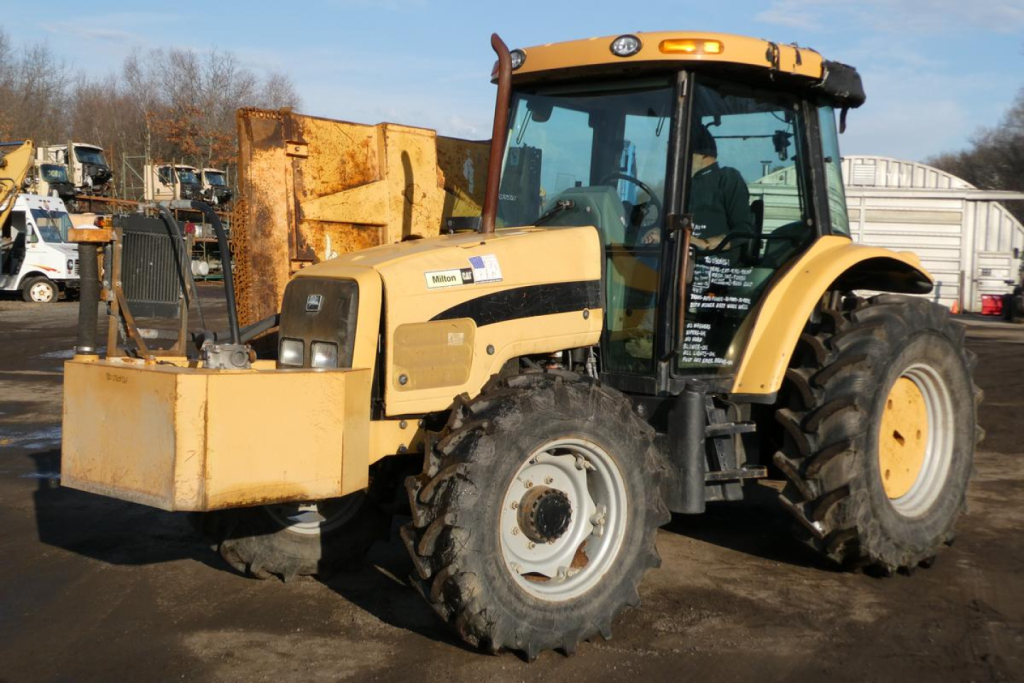
2008 Challenger MT455B
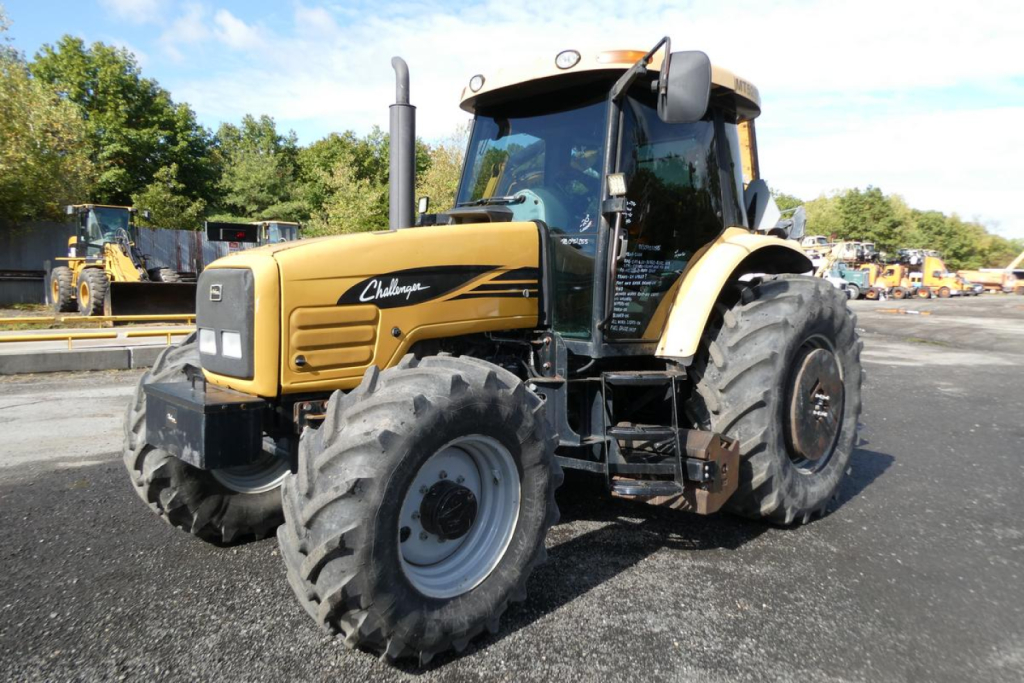
2005 Challenger MT525B
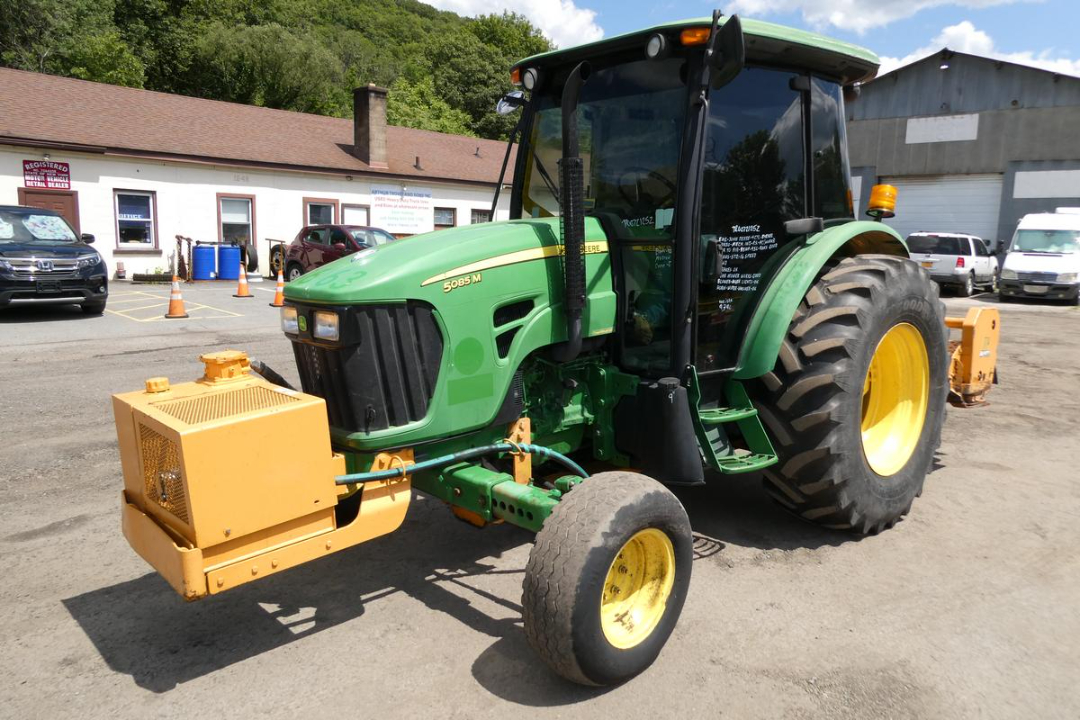
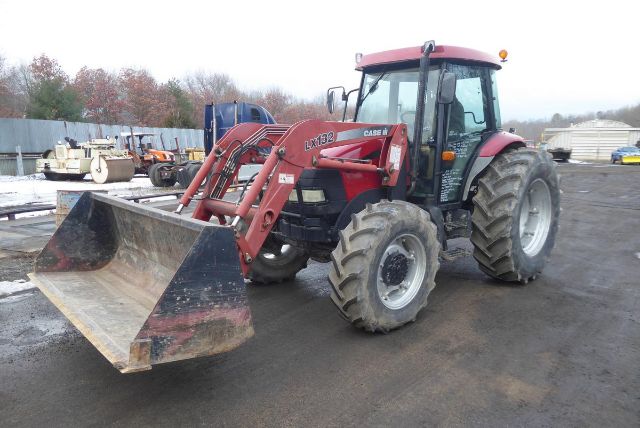
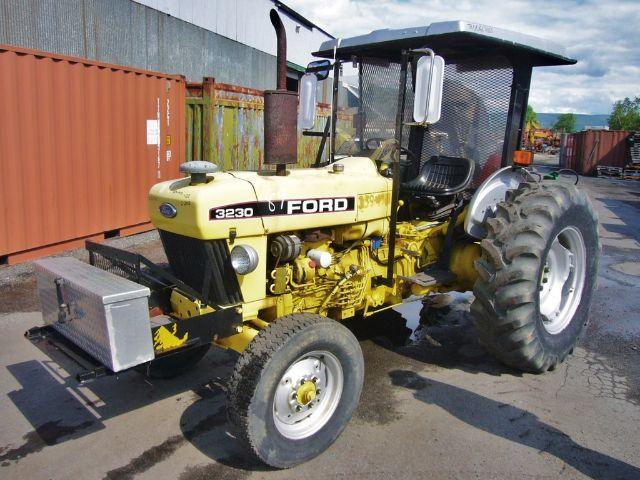
Selling a used agriculture - tractors? List your used agriculture - tractors for sale and reach thousands of commercial buyers.
Used Agriculture - Tractors in New York
A practical starting point is engine and PTO output. In the used market, many tractors in this class fall in the 35 to 120 HP range, with PTO horsepower often lower than engine rating and more important if the tractor will run flail mowers, rotary cutters, balers, spreaders, snow blowers, or other driven implements. Transmission choice matters too. Older used tractors often have straightforward gear-drive 4-speed, 8-speed, or 12-speed setups that are durable and easier to service, while higher-spec models may have more speeds, shuttle shifting, or power-assisted transmission functions that improve loader work and headland operation. Buyers in New York also pay close attention to cold-start behavior, glow plug function, cab heat, and overall diesel engine condition because winter use is common.
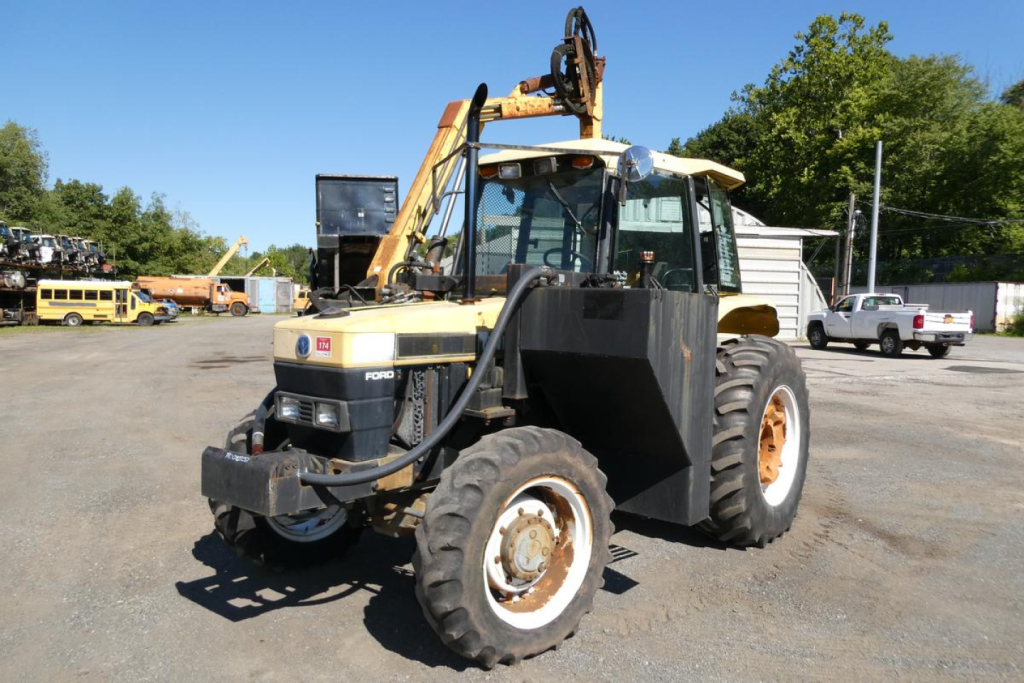
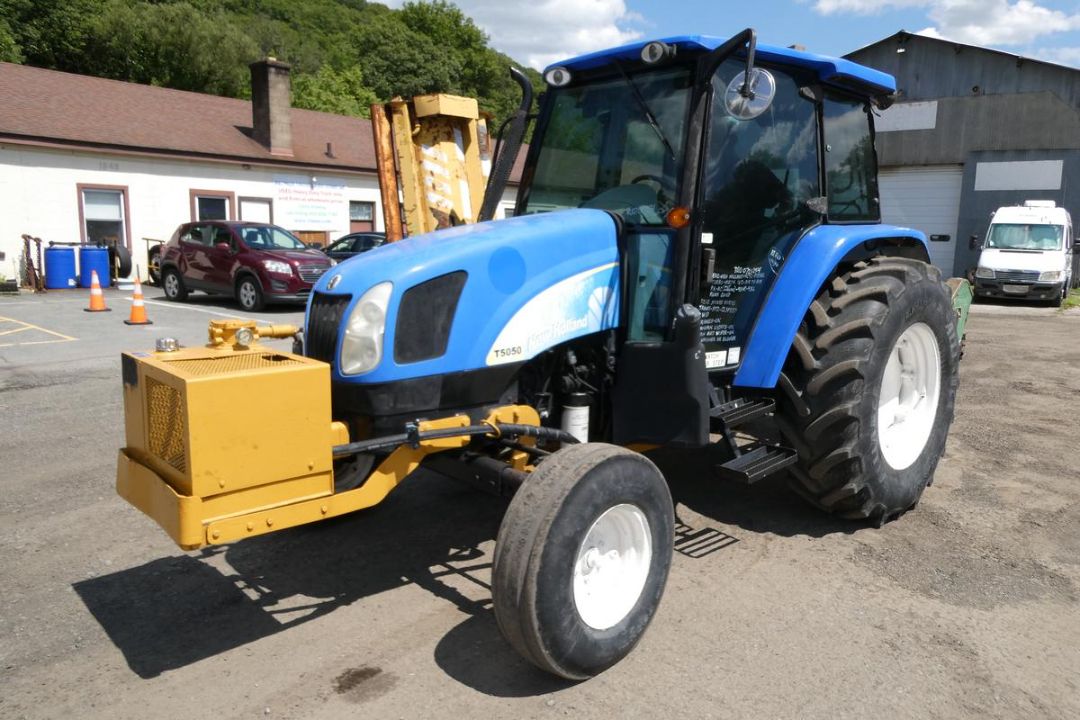
Configuration makes a major difference in value and application. A 2WD tractor can be a cost-effective choice for lighter mowing, PTO work, and level ground, but 4WD is usually preferred for loader use, mud, hills, and year-round traction. Three-point hitch capacity, rear remotes, and PTO type should be matched to the implements you already own. Front loaders, quick-attach buckets, auxiliary hydraulics, adjustable front axles, open ROPS, and enclosed cabs all change how a tractor fits the job. On used units, tire size and condition matter more than many buyers expect because replacement ag tires are expensive and tire type affects flotation, traction, and road travel. For roadside or municipal-style work, some tractors in this category may also be set up with side-arm mowers, sickle bars, or flail mowers driven by PTO or a front-mounted hydraulic pump.
Inspection should focus on hours, service history, hydraulic performance, front axle wear, PTO engagement, clutch feel, brake response, steering play, and any signs of leakage around cylinders, remotes, hubs, or engine seals. Cab tractors should be checked for working HVAC, glass condition, door seals, and electronics, while open-station tractors should be checked for ROPS condition and operator platform wear. A used agricultural tractor can be a very efficient purchase when the machine's horsepower, hitch setup, hydraulic flow, and overall weight are aligned with the implements and terrain it will actually see. For many buyers, the best value is not the biggest tractor. It is the one with the right PTO rating, enough hydraulic support, and a chassis size that fits barns, lanes, and transport needs in daily farm use.
Frequently Asked Questions about Used Agriculture - Tractors in New York
What size used agricultural tractor is right for a small or mid-size farm?
The right size depends more on implement requirements than acreage alone. Many small and mid-size farms do well with tractors in the 50 to 100 HP range because that covers common chores like mowing, loader work, manure handling, light tillage, seeding, and snow removal. The key numbers to verify are PTO horsepower, three-point hitch lift capacity, operating weight, and hydraulic flow. A tractor can have enough engine horsepower on paper but still fall short if the PTO output or hydraulic system is undersized for the attachments you plan to run.
Is 2WD or 4WD better on a used farm tractor?
For many buyers, 4WD is the better all-around choice because it improves traction in mud, snow, hills, and loader applications. It also helps reduce wheel slip when pulling ground-engaging equipment. A 2WD tractor can still be a solid fit for flatter ground, lighter PTO work, and buyers focused on lower purchase cost and simpler mechanical layout. In used equipment, the decision often comes down to terrain, loader use, and how often the tractor will be worked in wet or winter conditions.
Why is PTO horsepower so important when buying a used tractor?
PTO horsepower is what powers implements such as rotary cutters, flail mowers, balers, augers, snow blowers, and spreaders. Engine horsepower is useful, but PTO horsepower is the number that tells you what the tractor can actually run through the driveline. If a mower or baler has a minimum PTO requirement, that specification should be treated as a buying threshold. Matching PTO output correctly helps avoid poor performance, driveline strain, and fuel waste.
What should I inspect first on a used agricultural tractor?
Start with cold starting, engine blow-by, oil and coolant condition, hydraulic response, PTO engagement, clutch operation, steering, brakes, and any visible leaks. Then move to front axle wear, loader pins and bushings if equipped, three-point hitch function, remote hydraulic outlets, tire condition, and hour meter credibility based on overall wear. On cab tractors, test heat, air conditioning, wipers, lights, and electrical controls. A tractor that starts clean, shifts properly, lifts smoothly, and shows consistent maintenance is usually a better long-term buy than one with newer paint but weak mechanical condition.
Are tractors with mower attachments or loaders a better value in the used market?
They can be, provided the attachment is in usable condition and properly matched to the tractor. A loader adds major versatility for pallet handling, feed, material movement, and snow work, while flail, rotary, or sickle mowers can make a tractor immediately productive for roadside or pasture maintenance. The attachment should be evaluated as carefully as the tractor itself. Check cylinder condition, frame integrity, PTO shafts, hydraulic pumps, hoses, gearbox condition, and signs of structural repair. A package can be a strong value, but only if both the tractor and the mounted equipment are operational and sized for the intended work.