
Ferris Agriculture Equipments For Sale
Shop Ferris agriculture equipment for sale, including commercial zero-turn mowers known for suspension ride, cut quality, and productivity.
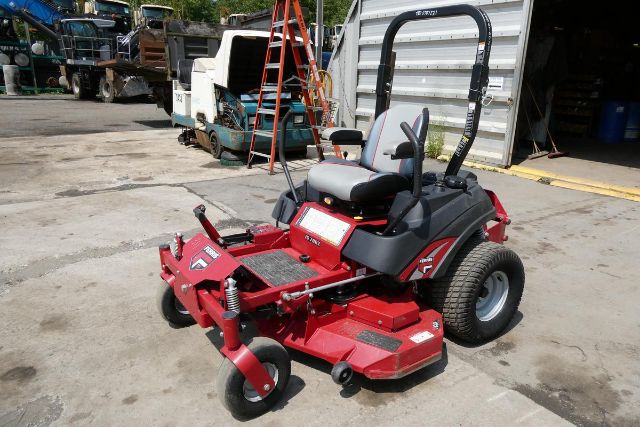
Selling a ferris agriculture equipment? List your ferris agriculture equipment for sale and reach thousands of commercial buyers.
Ferris Agriculture Equipments
A buyer should start with deck size, engine platform, and drive system. Common deck widths range from compact sizes for gated or tight-access work up to wider commercial decks for open acreage and institutional grounds. Gasoline engines from Kawasaki and other commercial small-engine manufacturers are common, and hydrostatic drive systems are standard on many Ferris zero-turn units because they deliver responsive steering and smooth speed control. Pay attention to cut-height range, discharge configuration, spindle condition, belt wear, tire size, and whether the unit has a foldable ROPS, suspension seat, or mulching and collection options. These details affect both productivity and day-to-day operating cost.
Condition matters more than model year alone on used Ferris equipment. Hour meter reading, service records, deck shell corrosion, hydro performance, and engine cold-start behavior usually tell more than age by itself. Check for play in caster forks, uneven tire wear, leaks around hydros and engine seals, and signs of impact damage on deck edges and discharge areas. If the machine has been used commercially, inspect spindle bearings, idler pulleys, deck lift linkages, and the suspension components closely. A mower that tracks straight, holds blade speed in heavy grass, and raises and lowers the deck smoothly is usually a better indicator of value than cosmetics.
Ferris equipment fits buyers who need commercial mowing productivity with a strong focus on ride quality and operator retention. It is a practical choice for contractors maintaining campuses, sports fields, roadside properties, estates, and large residential parcels where rough terrain can slow down conventional zero-turns. When comparing listings, match the machine to the acreage, terrain, transport setup, and expected weekly hours. The right Ferris mower should give you enough deck capacity and engine power to keep labor hours down without overspending on a machine that is larger than the job requires.
Frequently Asked Questions about Ferris Agriculture Equipments
What is Ferris best known for in agriculture and grounds equipment?
Ferris is best known for commercial zero-turn mowers and other turf equipment designed around operator comfort and productivity. The brand is especially recognized for suspension-equipped mower platforms, which help improve ride quality on uneven ground and can support better control at working speed. In the used market, Ferris equipment is commonly chosen for landscaping, municipal mowing, and large-property maintenance rather than row-crop or heavy farm field work.
What should I check first on a used Ferris zero-turn mower?
Start with hours, engine condition, hydrostatic drive performance, and deck condition. A strong used unit should cold-start cleanly, run without excessive smoke, steer evenly left to right, and maintain blade speed under load. Inspect belts, pulleys, spindle bearings, caster assemblies, tires, and the deck shell for cracks, rust-through, or welded repairs. If equipped, check the suspension system, seat mounts, and ROPS for wear or damage.
How do I choose the right deck size on Ferris mowing equipment?
Deck size should match the property layout and the amount of weekly mowing time you need to cover. Smaller decks are easier to maneuver through gates, around landscaping, and on tighter residential or institutional properties. Larger decks improve productivity on open ground but can be less efficient in confined areas and may require a larger trailer or storage footprint. Buyers should also consider grass conditions, slope, and transport requirements, not just raw cutting width.
Are Ferris mowers suitable for commercial use?
Yes. Many Ferris models are built specifically for commercial-duty mowing with heavy deck construction, commercial engines, hydrostatic transmissions, and features intended for long operating days. They are widely used by landscape contractors, schools, municipalities, and maintenance crews that need speed, durability, and reduced operator fatigue. The exact suitability depends on model size, hour level, and maintenance history.
Is hour meter reading the most important factor when buying used Ferris equipment?
Hours are important, but they are not the only measure of value. Maintenance quality, storage conditions, terrain type, and operator habits can make a lower-hour machine a worse buy than a higher-hour unit that has been serviced on schedule. A mower with documented maintenance, strong hydros, a solid deck, and a healthy engine is typically a safer purchase than one with fewer hours but visible neglect.