
2017 Equipment For Sale in New York
Shop 2017 trucking equipment for sale in New York, including vocational, handling, and support equipment with specs that matter to fleet buyers.
Selling a 2017 equipment? List your 2017 equipment for sale and reach thousands of commercial buyers.
2017 Equipment in New York
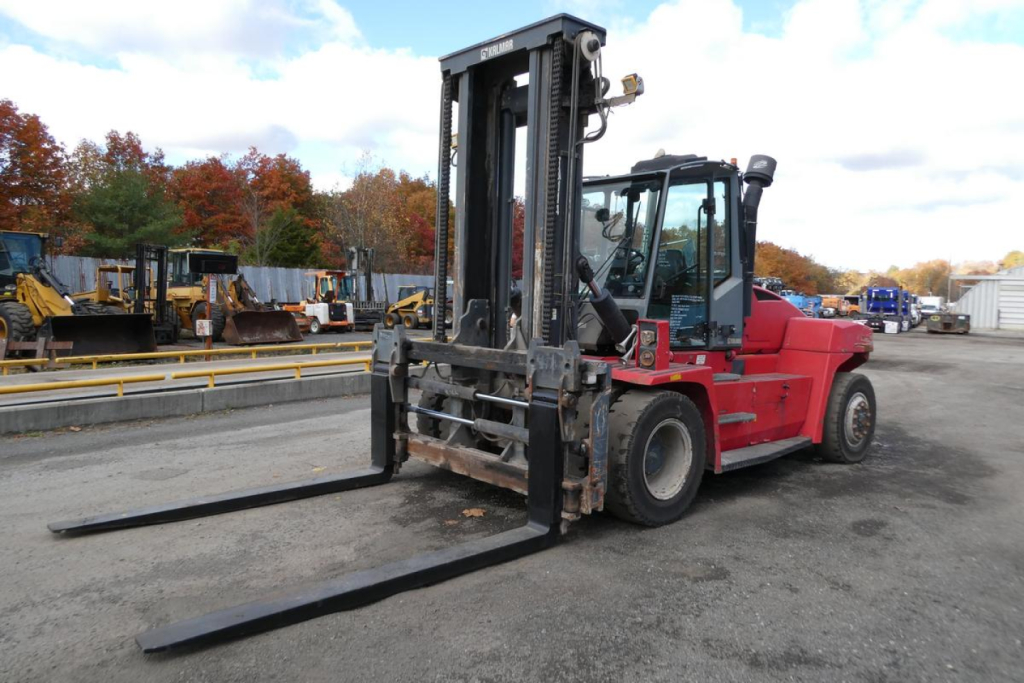
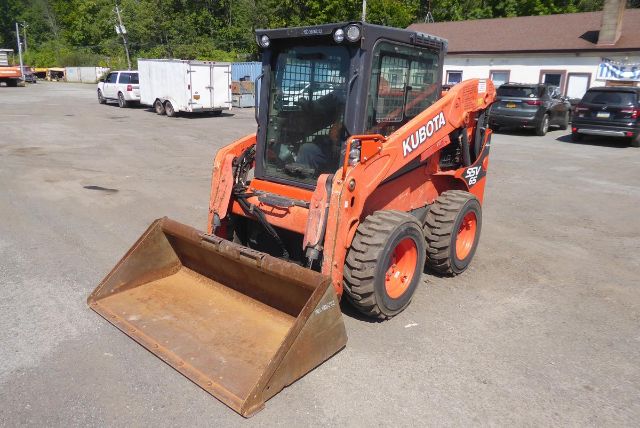
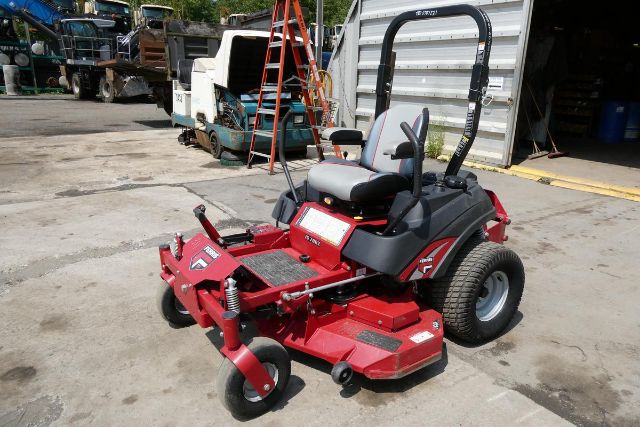
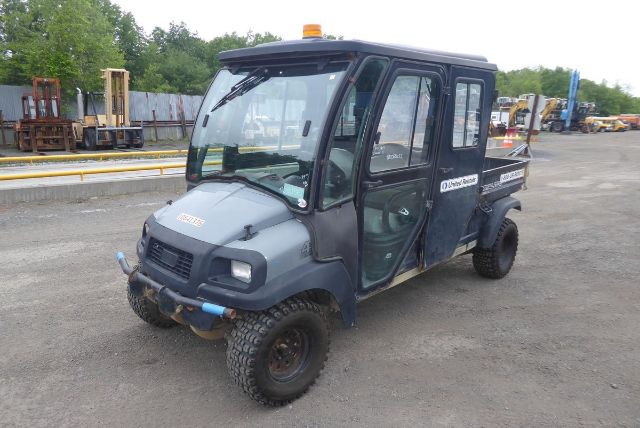
This category can cover a wide range of trucking-related equipment used around freight yards, terminals, maintenance operations, and support facilities. Common examples include forklifts, yard support machines, loaders, tractors, and other material-handling or fleet-service equipment that keep freight moving before it ever reaches the road. Buyers in New York often need equipment that can work in tight urban lots, mixed indoor-outdoor conditions, and cold-weather starts. That makes visibility, turning radius, tire type, cab or ROPS configuration, and fuel choice especially important. Propane forklifts remain common for yard and warehouse support because they refuel quickly and suit intermittent use well, while diesel-powered support equipment may be preferred for heavier outdoor applications.
On 2017 equipment, pay close attention to the core wear items tied to the machine’s job. For lifts and material handlers, that means mast channels, carriage rollers, side-shift function, lift chains, fork heel wear, and any leaks at tilt or lift cylinders. For tractors, loaders, or other support units, inspect articulation points, pins and bushings, transmission engagement, axle seals, cooling system condition, and hydraulic cycle times under load. Electronic controls were more common by this model year, so a buyer should verify fault codes, instrument function, and sensor-related issues instead of relying on a simple startup test. If the equipment will be used across multiple shifts, operator comfort features like seat condition, pedal response, HVAC performance, and control layout can affect productivity as much as rated capacity.
The best 2017 trucking equipment purchase is usually the one matched tightly to the application. A 4,000 to 5,000 lb forklift may be right for palletized freight and dock work, while larger-capacity units with longer forks, higher lift heights, or foam-filled tires make more sense in heavier industrial yards. Tractors and support machines should be sized around terrain, attachment needs, and transport logistics, not just horsepower. In New York, buyers also need to think about winter traction, corrosion exposure, and the availability of local parts and service support. A well-maintained 2017 machine with documented upkeep, strong hydraulic performance, and the right capacity for the job can still deliver dependable service and solid value.
Frequently Asked Questions about 2017 Equipment in New York
Is 2017 trucking equipment a good model year to buy used?
For many buyers, 2017 is a strong used-equipment target because it is new enough to offer updated controls, better operator environments, and more refined hydraulic or driveline systems, but old enough to avoid the premium attached to newer units. The real value depends on maintenance history, operating hours, wear at major components, and how closely the equipment matches the intended job. A clean inspection and documented service matter more than model year alone.
What should I inspect first on used 2017 material-handling or support equipment?
Start with the systems that are expensive to repair and directly tied to uptime. Check the engine or power source, transmission engagement, hydraulics under load, steering response, brakes, tires, and structural wear. On forklifts, inspect mast rollers, chains, forks, cylinder seals, and side-shift operation. On loaders or tractors, focus on articulation points, pins, bushings, axle condition, cooling performance, and attachment function. If the unit has electronic controls, scan for active or stored fault codes.
What fuel type makes the most sense for trucking support equipment?
The right fuel depends on where and how the equipment works. Propane is common on forklifts because it supports fast refueling, steady power, and indoor-outdoor use with proper ventilation. Diesel is often preferred for heavier outdoor applications where torque and long run time matter more. Gasoline and electric units also appear in this class, but the best choice comes down to load demands, operating environment, maintenance capacity, and local fuel availability.
How important are hours on a 2017 machine?
Hours are important, but they should be read alongside maintenance quality and application type. A higher-hour machine that handled light-duty warehouse work and received regular service can be a better buy than a lower-hour unit used hard in rough yard conditions. Wear patterns at the mast, forks, pins, bushings, drivetrain, and hydraulics often reveal more than the meter alone. Buyers should treat hours as one data point, not the full story.
What matters most for buyers in New York?
New York buyers should prioritize cold-weather starting, traction, corrosion condition, and physical size for the jobsite. Equipment used in urban yards or older facilities may need a tight turning radius and compact dimensions. Machines exposed to road salt or winter storage conditions deserve extra attention at the frame, brake lines, wiring, and hydraulic fittings. Local parts support and service access are also important because downtime can erase any upfront savings on a used purchase.