
2006 Equipment For Sale in New York
Browse 2006 trucking equipment in New York, including used vocational, construction-support, yard, and power units with work-ready specs.
Selling a 2006 equipment? List your 2006 equipment for sale and reach thousands of commercial buyers.
2006 Equipment in New York
The biggest buying decision in this category is usually condition, not model year alone. On 2006 equipment, pay close attention to engine type, transmission design, hydraulic performance, hour meter readings, cold-start behavior, steering play, brake response, tire or undercarriage wear, and signs of seepage around cylinders, hoses, pumps, and final drives. Buyers in New York should also inspect frame rails, cab floors, battery boxes, wiring, hydraulic lines, dump bodies, and attachment mounts for corrosion from road salt and winter exposure. Service records, recent engine work, and evidence of proper storage can matter more than cosmetic appearance.
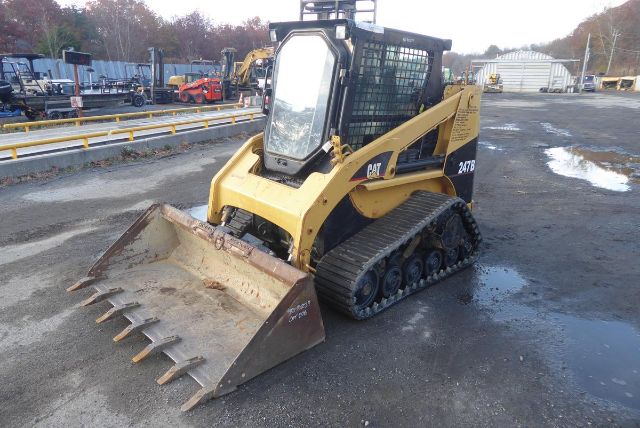
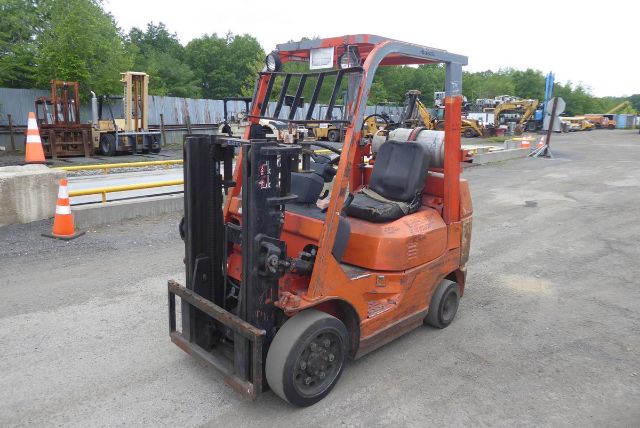
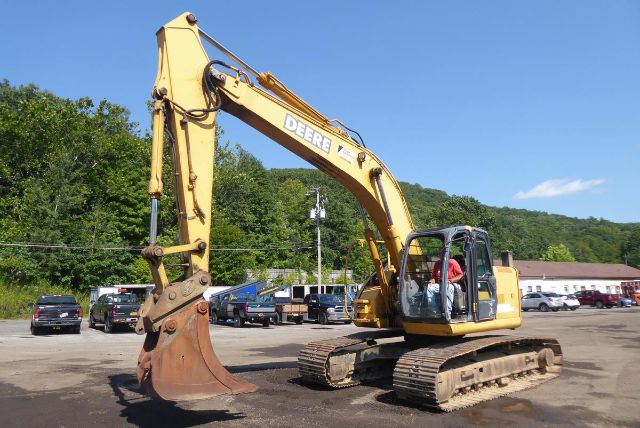
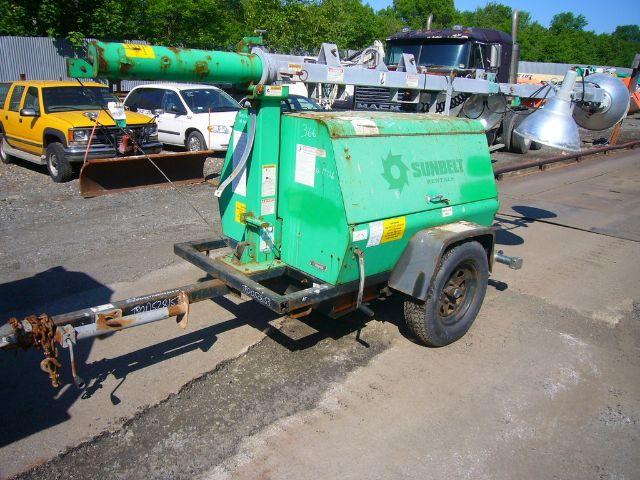
Specs vary widely across used trucking equipment, but the most relevant details are operating weight, horsepower, drivetrain layout, PTO or hydraulic capability, attachment compatibility, axle or tire setup, electrical output on generator units, and overall transport dimensions. For support equipment used alongside trucks, width, height, and trailerability are often as important as raw capacity. A loader or backhoe may be judged by breakout force, bucket size, and pin wear, while a generator unit is evaluated on voltage options, phase configuration, frequency stability, and total hours. Utility and yard equipment should also be checked for cab enclosure, heat, visibility, turning radius, and ease of parts support.
Buyers comparing 2006 trucking equipment for sale should match the machine to the actual duty cycle. A low-use property maintenance unit has different priorities than equipment expected to load aggregate daily, support demolition, or power a remote jobsite. Simpler mechanical diesel platforms from this era can be attractive for shops that handle their own repairs, but that advantage only holds if core systems are sound. Focus on application fit, structural integrity, and serviceability first. A well-maintained 2006 unit can still deliver strong value when the specs, hours, and condition line up with the work.
Frequently Asked Questions about 2006 Equipment in New York
What should I inspect first on 2006 trucking equipment?
Start with the major systems that drive repair cost: engine condition, transmission operation, hydraulics, steering, brakes, tires or undercarriage, and structural integrity. On equipment from 2006, corrosion, pin and bushing wear, cylinder seepage, electrical issues, and deferred maintenance are common concerns. Cold-start performance and service documentation can reveal more than fresh paint or a recent wash.
Is 2006 trucking equipment too old for commercial use in New York?
Not necessarily. Many 2006 machines remain productive in construction support, municipal work, yard service, snow operations, and property maintenance if they have been maintained properly. Age matters less than hours, overall wear, parts availability, and how well the equipment matches the intended job. In New York, rust exposure and winter operating history deserve close attention during evaluation.
Are 2006 diesel units easier to maintain than newer equipment?
In many cases, yes. Equipment from this era often has simpler engine and control systems than later models, which can reduce diagnostic complexity and make field repairs more straightforward. That said, simplicity does not offset heavy wear, neglected hydraulics, or a tired drivetrain. Buyers should weigh ease of maintenance against actual mechanical condition and parts support for the make and model.
What specs matter most when comparing used trucking equipment in this category?
The most important specs depend on the machine type, but buyers usually focus on horsepower, operating weight, drivetrain, transmission, hydraulic capability, dimensions, hours, and any attachment or electrical-output requirements. A generator is judged differently than a loader or utility vehicle. The right comparison starts with the job the equipment needs to perform, then filters units by capacity, transportability, and maintenance risk.
How important are hours on 2006 trucking equipment?
Hours are important, but they should be viewed alongside maintenance history and type of use. A higher-hour machine with documented service and light-duty work can be a better buy than a lower-hour unit with poor upkeep, corrosion, or hard commercial use. Meter accuracy can also be a factor on older equipment, so wear patterns, control slop, and service records should support the reading.