
1999 Equipment For Sale
Shop 1999 trucking equipment for sale, including work-ready commercial support units and specialty equipment for fleet, yard, and shop use.
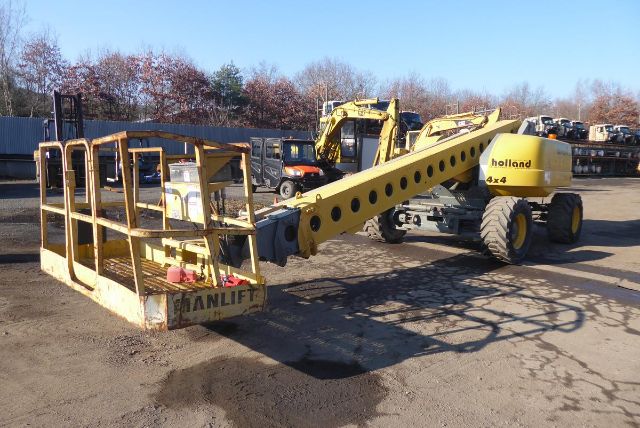
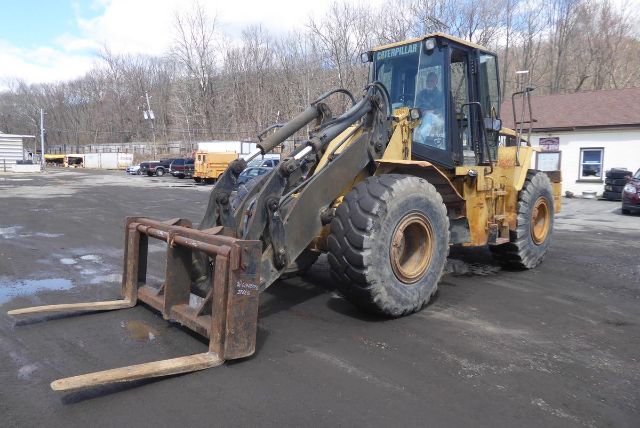
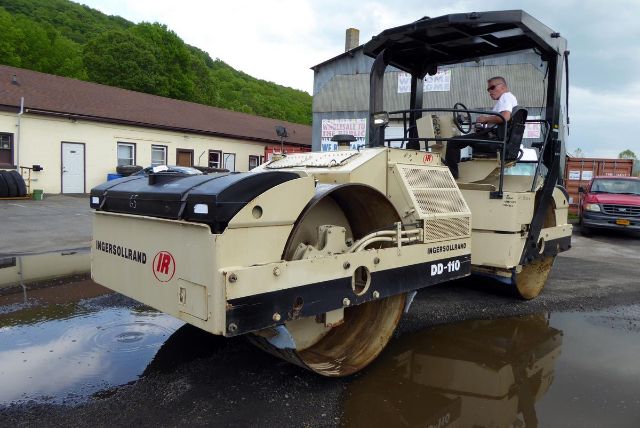
Selling a 1999 equipment? List your 1999 equipment for sale and reach thousands of commercial buyers.
1999 Equipment
For 1999 model-year trucking equipment, the key buying decisions are application, fuel type, lift or load requirements, and overall structural condition. In categories like forklifts, yard support units, and dock-related equipment, common checkpoints include engine performance, hydraulic response, mast or boom wear, transmission engagement, brake function, tire condition, and any visible leakage at cylinders, hoses, seals, or pumps. Capacity ratings, lift height, overall width, turning radius, and machine weight matter just as much as age because they determine whether the unit will actually work in your building, yard, trailer-loading area, or regional freight operation.
Older trucking equipment can still be a strong fit for terminals, small fleets, farm and ag support, pallet handling, maintenance shops, and local delivery operations where annual hours stay moderate. Many buyers prefer pre-emissions-era equipment in this age range because the systems are more straightforward to diagnose and repair. That said, condition varies widely. A well-maintained 1999 unit with clean hydraulics, solid tires, tight steering, and documented service can be a better purchase than a newer machine with neglected maintenance. Buyers should also confirm parts availability, attachment compatibility, data plate legibility, and any missing components that affect safe operation or recertification.
The best approach is to compare 1999 trucking equipment by job fit first, then by hours, mechanical condition, and supportability. Look closely at cold-start behavior, charging output, chain or mast wear if applicable, frame integrity, and signs of hard industrial use. If the equipment will work around trailers, docks, or tight warehouse lanes, visibility, mast collapsed height, and maneuverability deserve extra attention. For operations that need a low-cost support asset, this model year can still offer dependable service if the machine has been inspected carefully and matched to a realistic duty cycle.
Frequently Asked Questions about 1999 Equipment
What should I check first when buying 1999 trucking equipment?
Start with the machine’s intended job, then verify that its core systems still support that use. Engine condition, hydraulic performance, transmission operation, brakes, steering, tires, and structural integrity are more important than the model year alone. On older equipment, service records, hour meter credibility, parts availability, and evidence of leaks or repairs can tell you more about value than appearance.
Is 1999 trucking equipment still practical for commercial use?
Yes, if the equipment is matched to the right duty cycle and has been maintained properly. Many 1999 units remain useful in yards, warehouses, maintenance facilities, loading areas, and lower-hour commercial applications. Older machines often appeal to buyers who want simpler mechanical systems and a lower purchase price, but they should be evaluated carefully for wear, safety compliance, and remaining service life.
Are parts harder to find for 1999 model-year equipment?
Parts availability depends more on make, model, and engine platform than on age alone. Common brands and widely used drivetrains usually have better aftermarket and salvage support, while obscure models can be harder to maintain economically. Before buying, it is smart to confirm availability of wear items, hydraulic components, ignition or fuel system parts, tires, mast components if applicable, and any electronic controls unique to that machine.
How much does operating condition matter compared to hours on older equipment?
Operating condition usually matters more. Hour meters on older units may not always reflect total lifetime use, and a lower-hour machine can still have significant deferred maintenance. A unit that starts cleanly, shifts properly, lifts smoothly, holds hydraulic pressure, and shows consistent maintenance is often the stronger buy, even if the meter reads higher than another machine in the same category.
Why do some buyers prefer older trucking equipment like 1999 models?
Many buyers value older equipment because it can offer lower upfront cost and simpler systems that are easier to service in-house. In some applications, that matters more than having the latest technology. For support roles such as pallet handling, yard work, light loading, or shop use, a sound older machine can deliver solid return on investment if it has good mechanical fundamentals and the right capacity for the job.