
Cornhusker Trailers For Sale
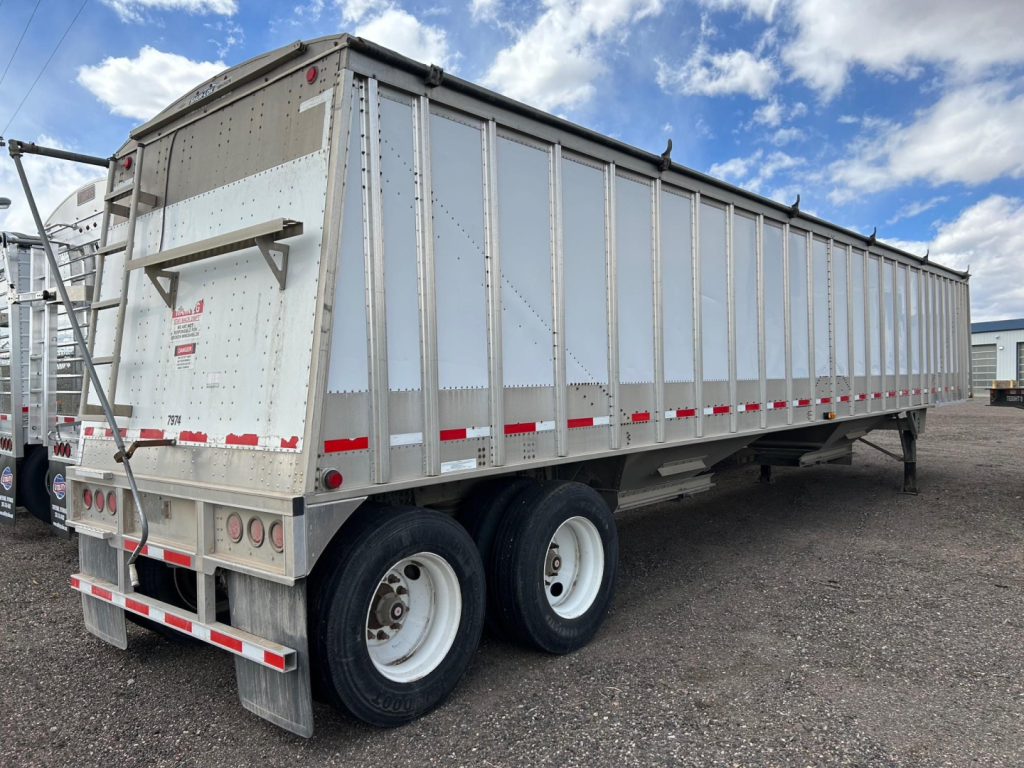
Have cornhusker trailer to sell? List it here to reach thousands of buyers.
Cornhusker Trailers
On used Cornhusker trailers, structural condition matters more than paint. Check the subframe, crossmembers, hopper slopes, gate assemblies, and upper rail area for cracking, weld repair, or corrosion, especially on trailers that have spent years in fertilizer or high-moisture commodity service. Buyers should also inspect the tarp system, ladder and catwalk condition, suspension components, wheel-end service history, and the condition of the air system if equipped with air ride. A clean hopper interior, tight trap doors, and smooth gate operation usually tell you more about remaining usefulness than cosmetic appearance.
Specification choices depend heavily on where and how the trailer works. Taller sides can improve cubic capacity for lighter commodities, while a practical side height and hopper opening combination may be better for dense grain and faster unloading at pits or augers. Closed tandem layouts remain common for straightforward maintenance and stable tracking. Air ride is popular for ride quality and commodity protection, but spring ride may still appeal to buyers who prioritize simplicity. Details such as manual or electric tarp systems, steel or aluminum wheel setups, and front and rear access equipment can also affect day-to-day convenience.
For buyers comparing Cornhusker trailers against other grain hopper brands, the key is matching the trailer to commodity mix, harvest traffic, and local legal weight limits. Cornhusker grain hoppers are typically chosen by farm operators, grain haulers, and regional fleets that need a practical bulk commodity trailer without unnecessary complexity. If the trailer will spend time on county roads, in field approaches, and at smaller receiving facilities, durability, gate condition, suspension health, and ease of service should be at the top of the checklist.
Frequently Asked Questions about Cornhusker Trailers
What types of trailers is Cornhusker best known for?
Cornhusker is most commonly associated with grain hopper trailers used in agricultural hauling. These trailers are designed for bulk commodities such as corn, soybeans, wheat, and feed products, and they are often spec'd with tandem axles, hopper bottom discharge, and practical farm-service features like ladders, catwalks, and rollover tarps.
What should I inspect first on a used Cornhusker grain hopper trailer?
Start with the structure and discharge system. Inspect the frame, crossmembers, hopper cones, trap doors, gate tracks, and weld areas for cracks, corrosion, or signs of hard use. After that, look closely at the tarp, suspension, brake components, wheel ends, tires, and the condition of the interior, because smooth unloading and clean commodity handling are critical in hopper service.
Is air ride a good choice on a Cornhusker hopper trailer?
Air ride is a strong choice for many grain haulers because it improves ride quality, helps protect the trailer and commodity, and is often preferred for higher-speed regional work. The tradeoff is added system complexity compared with spring ride, so buyers should evaluate air bag condition, valves, ride height control, and general maintenance history before deciding.
What trailer dimensions matter most on a Cornhusker hopper?
Length, width, side height, and hopper configuration are the main dimensions to compare. A 42-foot by 96-inch setup is common, but side height and hopper design can change how much the trailer carries and how easily it unloads. Those measurements should be evaluated alongside axle placement and local bridge and weight laws, since legal payload can matter more than rated volume.