
Cheetah Trailers For Sale
Shop Cheetah trailers for sale, including chassis and container trailers built for port, tank, and intermodal freight applications.
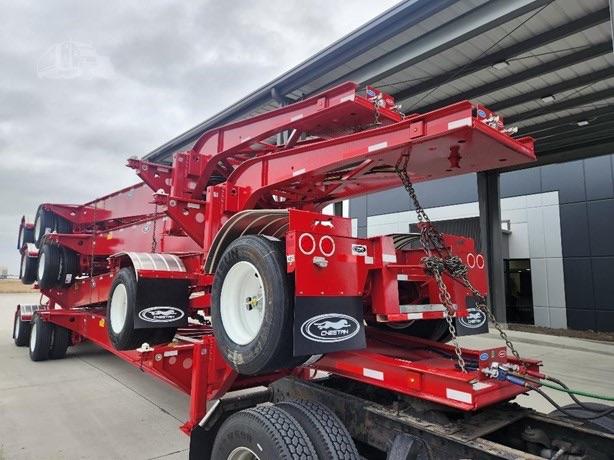
Have cheetah trailer to sell? List it here to reach thousands of buyers.
Cheetah Trailers
A lot of the buying decision in this category comes down to matching the chassis to the container you actually haul every day. On Cheetah units, common checkpoints include tandem axle setups, fixed axle configurations, 96-inch width, steel construction, and spring ride suspensions. Many buyers also look for practical options such as PSI tire inflation systems, steel wheels, and LP22.5 tire packages because those details affect uptime, tire life, and maintenance cost over a high-volume duty cycle. For ISO tank work, proper securement points, frame integrity, and compatibility with the tank size matter more than cosmetic details.
Used Cheetah trailers are often evaluated on the same criteria that matter on any intermodal chassis, but condition matters even more because these trailers tend to live in demanding environments. Check for corrosion around the main rails, crossmembers, bolsters, suspension hangers, and rear structure, particularly if the trailer has spent time in marine or northern road conditions. Tire inflation systems, lights, brake components, landing gear, and wheel-end condition should all be inspected carefully. If the trailer will run ports or terminals daily, buyers should also confirm overall length, kingpin setting, and axle placement align with local bridge laws, terminal requirements, and the container types being dispatched.
For fleets and owner-operators focused on container transport, Cheetah trailers offer a straightforward equipment profile built around repetitive freight handling and standardized cargo. The right spec depends less on brand name alone and more on how the trailer is set up for your lanes, your terminals, and your container mix. A properly matched Cheetah chassis can help keep turns quick, reduce tire and suspension wear, and support reliable service in drayage, tank hauling, and short-to-medium regional intermodal work.
Frequently Asked Questions about Cheetah Trailers
What types of Cheetah trailers are most common on the used market?
Cheetah trailers are most commonly found as chassis-style trailers for container and tank transport. Many buyers will see 20-foot ISO tank chassis, container chassis, and other intermodal-focused configurations. These trailers are built for standardized freight dimensions, so the exact value of a unit usually depends on container compatibility, axle configuration, suspension type, and overall structural condition more than appearance alone.
What should I inspect first on a used Cheetah ISO tank chassis?
Start with the frame, crossmembers, suspension mounting points, brakes, tires, and wheel ends. On an ISO tank chassis, also inspect securement points, rear structure, lighting, and any tire inflation system components. Because these trailers often work in ports and harsh yard environments, rust, impact damage, and deferred maintenance can affect service life and compliance faster than on some over-the-road trailer types.
Is spring suspension a good choice on a Cheetah chassis trailer?
Spring ride is a common and proven spec on chassis trailers, especially in port and regional intermodal service where simplicity and serviceability matter. It is generally easier and less expensive to maintain than more complex suspension setups. The tradeoff is that ride quality can be less forgiving than air ride, so the right choice depends on cargo sensitivity, lane conditions, maintenance preferences, and how the trailer is dispatched.
Why does a PSI tire inflation system matter on a container chassis?
A PSI tire inflation system helps maintain proper tire pressure across the trailer, which can improve tire life, reduce roadside failures, and support more consistent operating costs. On a chassis trailer that sees frequent turns, curb contact, and heavy stop-and-go duty, tire maintenance has a direct effect on uptime. Buyers who prioritize fleet efficiency often view an operational tire inflation system as a meaningful spec advantage.
How do I choose the right Cheetah trailer for intermodal work?
Match the trailer to the container size, tank type, lane restrictions, and terminal requirements you deal with most often. Confirm overall length, axle spread, kingpin setting, tire size, and suspension spec fit your operating environment and bridge-law needs. A trailer that is correct for 20-foot tank work may not be the best fit for broader container applications, so the best buying decision starts with the freight profile rather than the badge on the nose.