
Big Tex Trailers For Sale
Shop Big Tex trailers for hauling equipment, vehicles, and materials. Compare deck sizes, GVWR, ramp options, and gooseneck or bumper-pull designs.
Learn more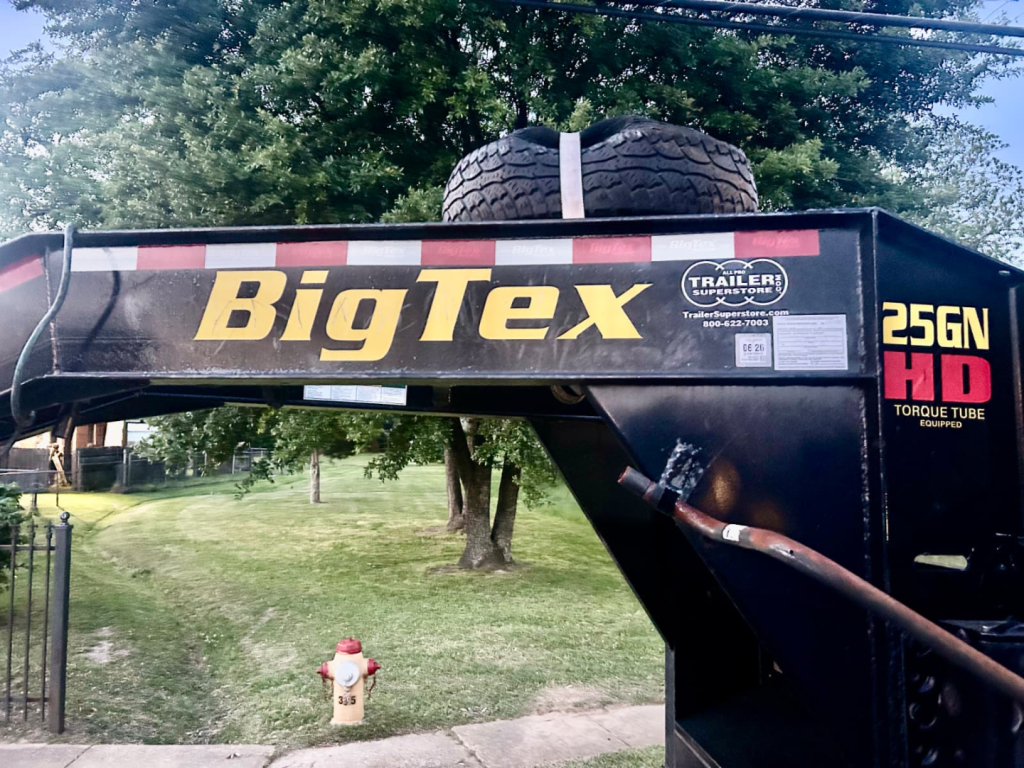
Have big tex trailer to sell? List it here to reach thousands of buyers.
About Big Tex Trailers
One of the first decisions is trailer style and hitch type. Big Tex gooseneck trailers are common for heavier equipment because they offer better weight distribution, improved stability, and higher GVWR options than many bumper-pull models. Low-profile pierced-beam designs are especially popular because they reduce deck height, improve ramp angle, and make loading wheeled or tracked equipment easier. Buyers should pay close attention to deck length, deck width, axle rating, dovetail configuration, ramp style, jack capacity, and coupler setup. Features like mega ramps, dual drop-leg jacks, stake pockets, rub rails, chain spools, and LED lighting matter in daily use and can save time when securing mixed loads.
Capacity and frame construction are where the right trailer separates itself from a trailer that is merely inexpensive. Common Big Tex configurations range from lighter utility and car-hauler applications up into heavy-duty tandem dual wheel goosenecks designed for serious machinery. Suspension type, brake setup, tire size, and deck material all affect long-term operating cost and usability. Treated wood decks remain popular for traction and ease of repair, while buyers hauling dense equipment should also inspect crossmember spacing, main frame design, and the condition of wear points around the ramps, dovetail, suspension hangers, and neck structure. On used units, signs of overloading, uneven tire wear, patched wiring, and brake neglect are worth checking closely.
The best Big Tex trailer for sale depends less on brand loyalty than on matching the trailer to the job cycle. A contractor moving compact equipment every day may prioritize a heavy-duty gooseneck with a long deck and wide ramps, while a farm or ranch buyer may want a versatile trailer with stake pockets and enough capacity for tractors, implements, and materials. A hotshot operator may focus on deck space, securement flexibility, and road stability. Big Tex trailers have a strong following because they cover these roles well, with configurations that are familiar to drivers, easy to service, and designed for real hauling rather than occasional weekend use.
Frequently Asked Questions
What types of Big Tex trailers are most common on the used market?
The most common Big Tex trailers on the used market are gooseneck equipment trailers, dump trailers, utility trailers, car haulers, and low-profile deck-over or equipment-hauling models. Gooseneck units are especially common in commercial use because they are well suited for tractors, skid steers, mini excavators, and hotshot freight. The exact mix depends on region, but Big Tex is widely recognized in both light-duty and heavy-duty trailer segments.
Why do many buyers choose a Big Tex gooseneck trailer over a bumper-pull trailer?
A Big Tex gooseneck trailer is often chosen for heavier loads because the hitch position over the rear axle area of the tow vehicle improves stability, turning control, and weight distribution. Gooseneck designs also typically support higher GVWR ratings and longer deck lengths than comparable bumper-pull trailers. For frequent equipment hauling, this usually translates into better road manners and more confidence under load.
What should I inspect on a used Big Tex trailer before buying?
Start with the VIN plate, GVWR, axle ratings, tire date codes, brake function, and coupler condition. Then inspect the frame for bends, poor weld repairs, rust scaling, cracked paint around stress points, and wear at the spring hangers, equalizers, and jack mounts. Check the deck, ramps, wiring, lights, and all securement points including stake pockets, rub rails, and chain spools. Uneven tire wear or weak electric brakes can indicate deferred maintenance or chronic overloading.
Are mega ramps worth it on a Big Tex equipment trailer?
Mega ramps are valuable if you regularly load wider equipment, low-clearance machinery, or tracked units that benefit from a broader and more forgiving loading surface. They can improve loading confidence and reduce the chance of slipping a tire off a narrow ramp. For buyers hauling mixed equipment, mega ramps are often a practical upgrade rather than just a convenience feature.
How do I choose the right Big Tex trailer capacity and deck length?
Choose capacity based on the heaviest real-world load, including attachments, fuel, chains, binders, and any cargo that will share the deck. Choose deck length based on equipment footprint, axle placement, and how much room you need for legal and safe load positioning. Buying too close to the limit creates loading compromises, while stepping up in GVWR, axle rating, or deck length often gives better flexibility for future jobs.