
Other For Sale
Browse other trucking equipment for sale including generators, light towers, sweepers, and specialty support units for fleet and jobsite use.
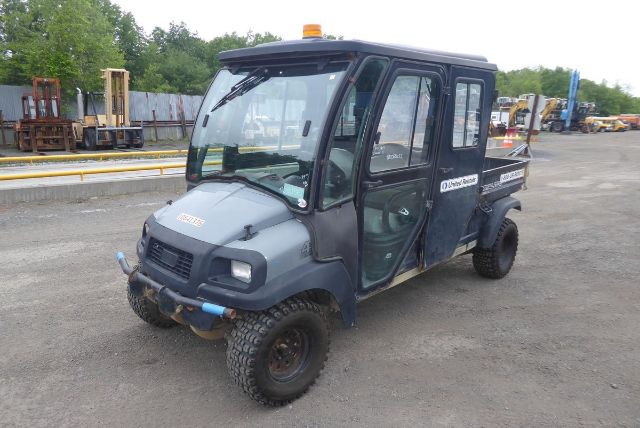
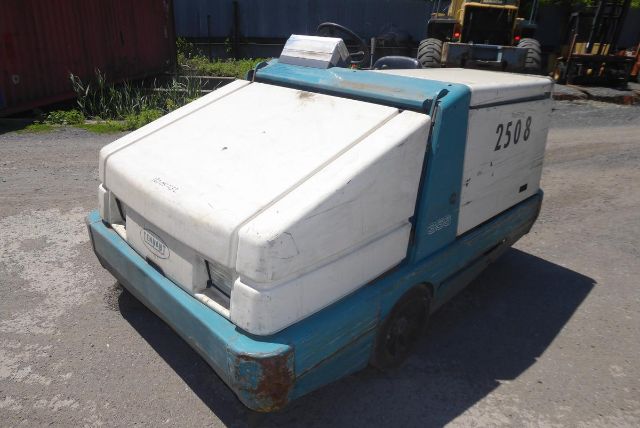
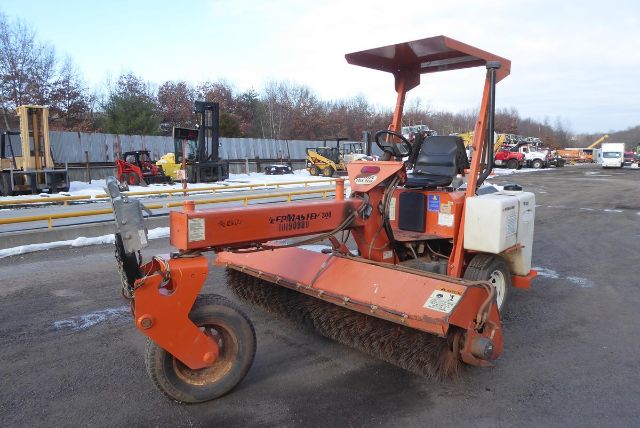
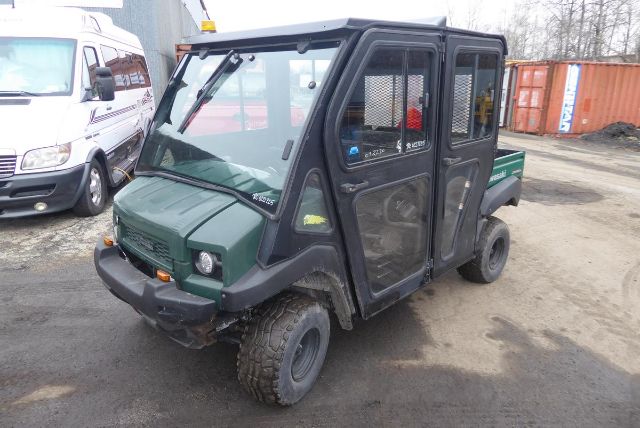
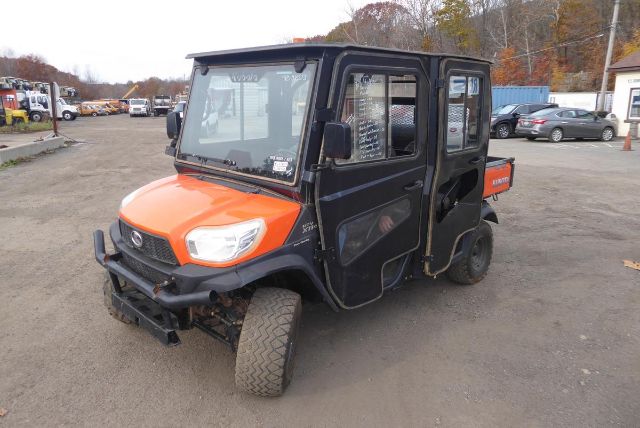
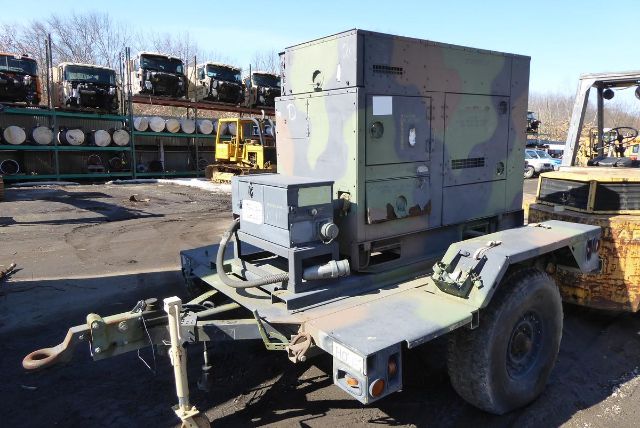
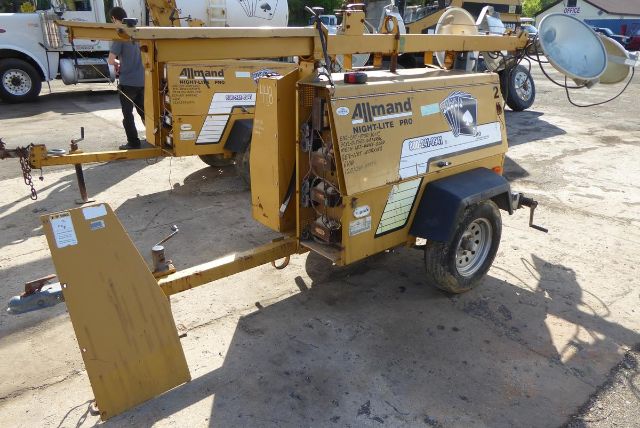
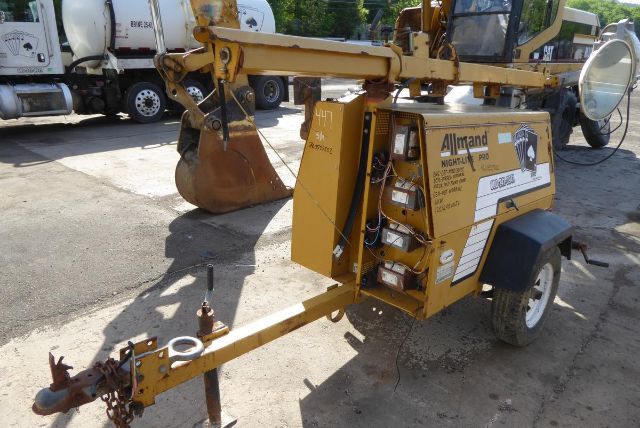

Have other equipment to sell? List it here to reach thousands of buyers.
Other
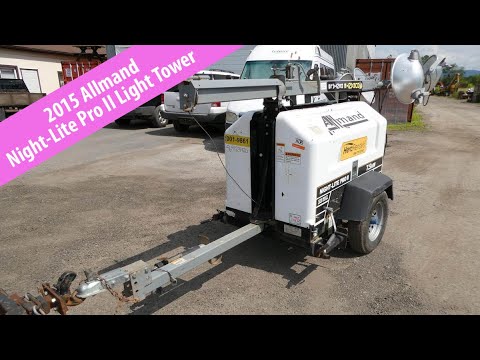
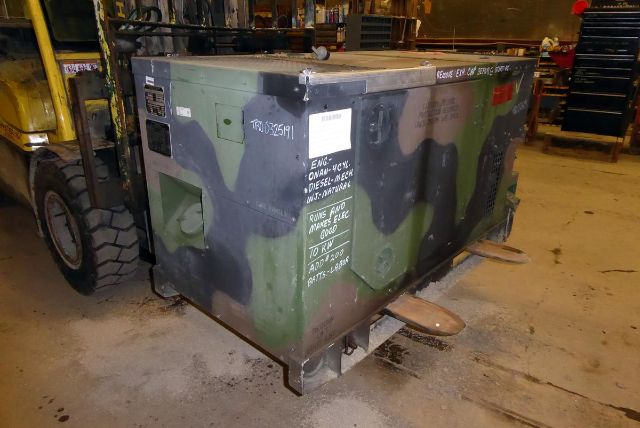
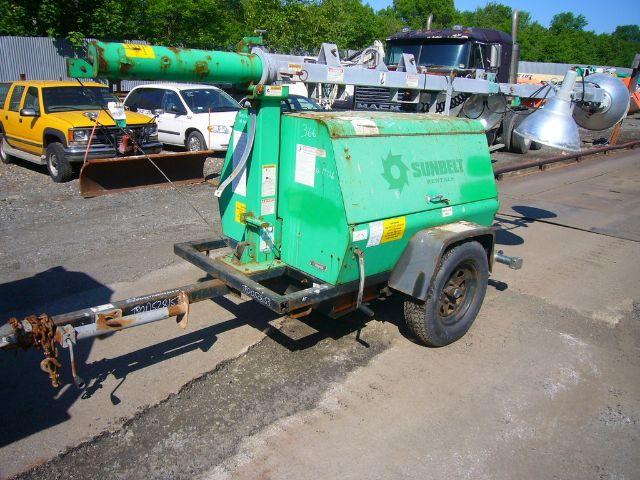
For towable generators and light plants, the key buying factors are output, engine platform, trailer condition, and electrical configuration. Common units in this class use small diesel engines from manufacturers such as Kubota, Caterpillar, Onan, or similar industrial platforms, paired with 6 kW to 10 kW generator systems and 120V or 120/240V capability. On light towers, mast function, leveling jacks, lamp condition, receptacles, and frequency or voltage adjustability matter more than cosmetic appearance. On compact industrial support machines like sweepers, buyers should pay close attention to hydrostatic drive function, brush or broom wear, hydraulic motor performance, tire type, and whether the machine is configured for propane, diesel, or other fuel sources.
Because this category is broad, transport dimensions and weight matter more than many buyers expect. A compact generator around 1,100 pounds is a very different hauling proposition than a towable light tower closer to 1,700 pounds or a sweeper above 3,500 pounds. Check overall length, width, coupler type, tire size, and axle condition if the unit will be moved regularly between locations. If the equipment is stationary most of the time, operating hours, cold-start behavior, charging system condition, and load performance usually matter more than roadability. For older specialty equipment, parts support and cross-reference availability can be just as important as the purchase price.
A good buyer in this category matches the machine to the job rather than shopping by label alone. For backup power, confirm continuous output and receptacle layout. For nighttime paving, utility, or emergency work, compare lamp wattage, mast stability, and generator performance under load. For yard and facility cleanup, focus on drivetrain condition and consumable replacement cost. Since many of these units are worksite tools rather than over-the-road assets, the best value usually comes from strong mechanical condition, simple serviceability, and the ability to keep the equipment productive without specialized downtime.
Frequently Asked Questions about Other
What kinds of equipment are usually listed under other trucking equipment?
This category usually includes support equipment that serves trucking, construction, municipal, agricultural, or fleet operations but does not fall into a standard truck or trailer class. Common examples include towable generators, mobile light towers, industrial sweepers, specialty service units, and other utility machines. The category is broad, so buyers should focus on the machine’s job function, transport requirements, and serviceability before comparing age or brand alone.
What should I check first on a used towable generator or light tower?
Start with the engine, generator end, and trailer structure. Verify the unit starts easily, runs smoothly, and produces power at the stated voltage and frequency. Check the hour meter, receptacles, breakers, wiring, mast operation, leveling legs, coupler, tires, and lights if it is a towable unit. On light towers, damaged jacks, inoperative lamps, or generator output issues can change the real value of the machine more than cosmetic wear.
Are operating hours important on specialty support equipment?
Yes, but hours need to be interpreted with the type of equipment and maintenance history. A generator or light tower with higher hours may still be a good buy if the engine platform is known for durability and the unit has been serviced properly. On sweepers and other hydraulic machines, hours should be considered alongside wear items such as brushes, hydraulic motors, tires, and drivetrain response. A low-hour unit that has sat unused for long periods can still need fuel system, battery, tire, or electrical work.
How do I choose the right generator size in this category?
Choose generator size based on continuous load, startup surge, and the type of power you need at the jobsite. Smaller support units in this class are often used for basic site power, lighting, tools, pumps, or backup applications, with common outputs around 6 kW to 10 kW. Confirm whether you need 120V only, 120/240V single-phase, or three-phase capability. It is also important to verify receptacle configuration and amperage ratings so the unit matches your actual equipment without relying on adapters.
What matters most when buying older miscellaneous trucking equipment?
Mechanical condition, parts support, and ease of repair usually matter most. Older specialty equipment can still be productive if it uses a common engine, standard electrical components, and widely available running gear or hydraulic parts. Buyers should look for straightforward systems, clear identification tags, and signs that major functions have been tested. If the equipment uses uncommon components or has incomplete electrical or hydraulic systems, repair cost can exceed the apparent savings of a low purchase price.