
Yard Trucks For Sale in Ohio
Shop yard trucks for terminal, warehouse, and distribution work. Compare yard spotter specs, hours, drivetrains, and cab features.
Learn moreNo exact matches found for your search
Showing Yard Trucks instead.
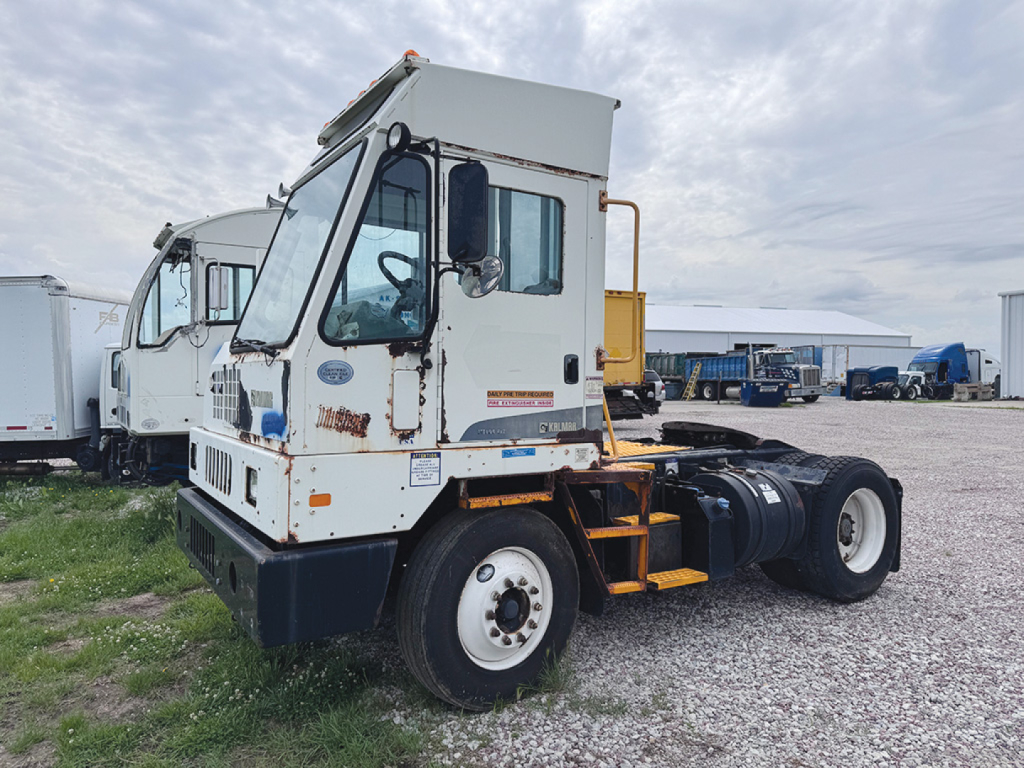
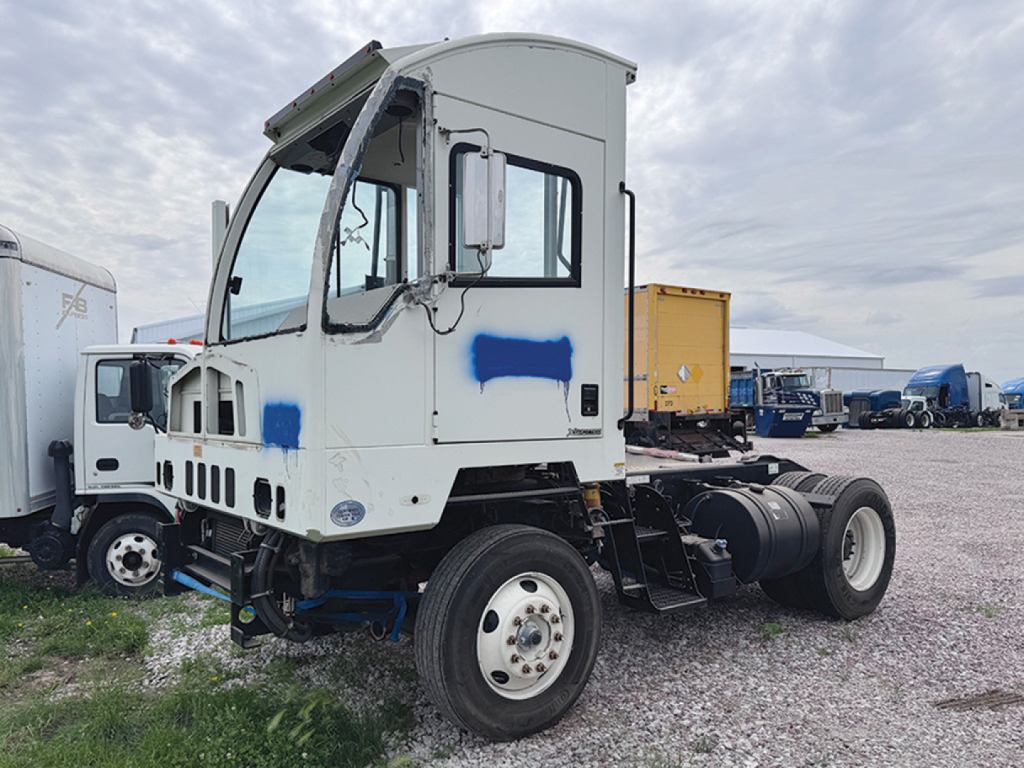
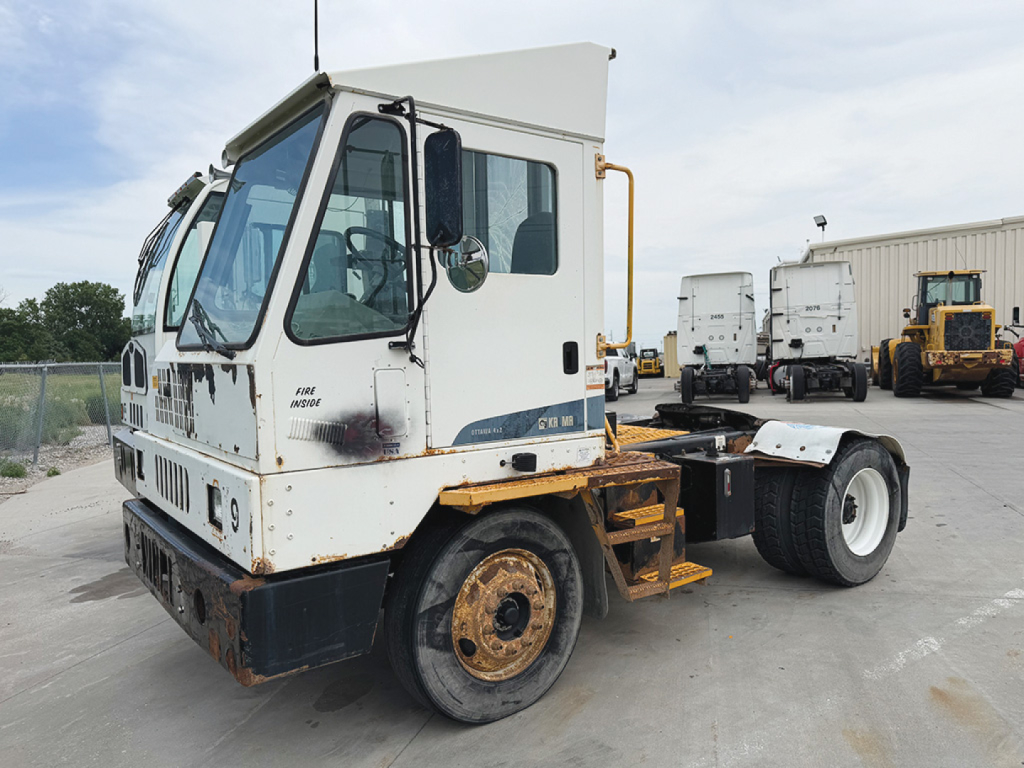
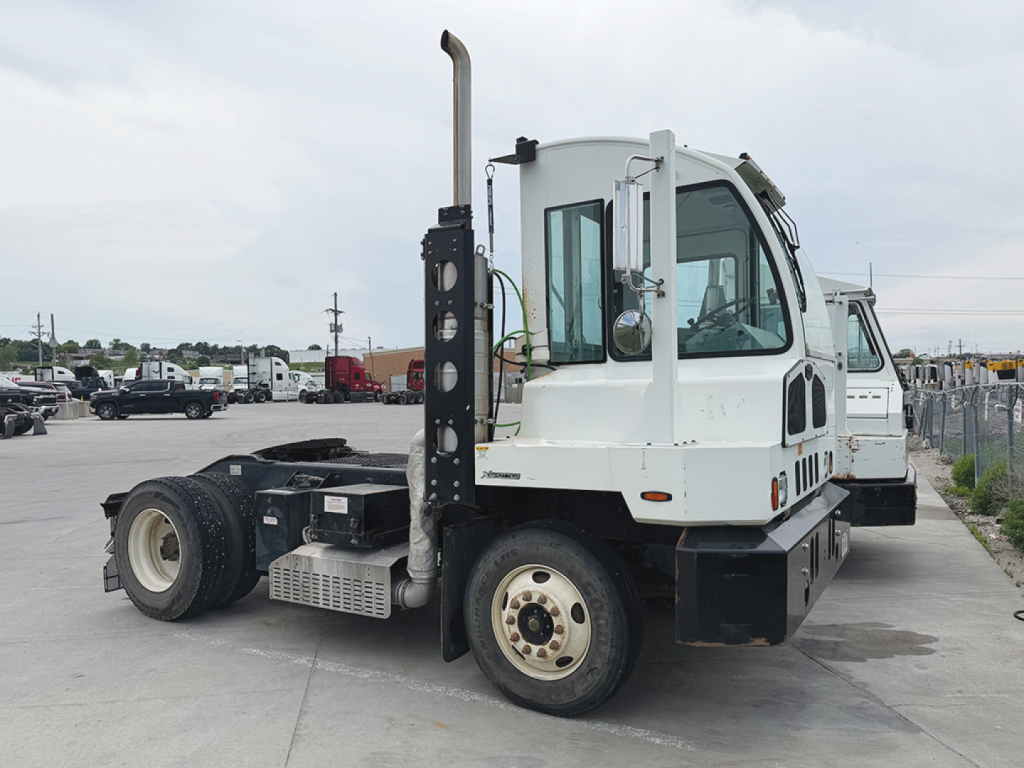

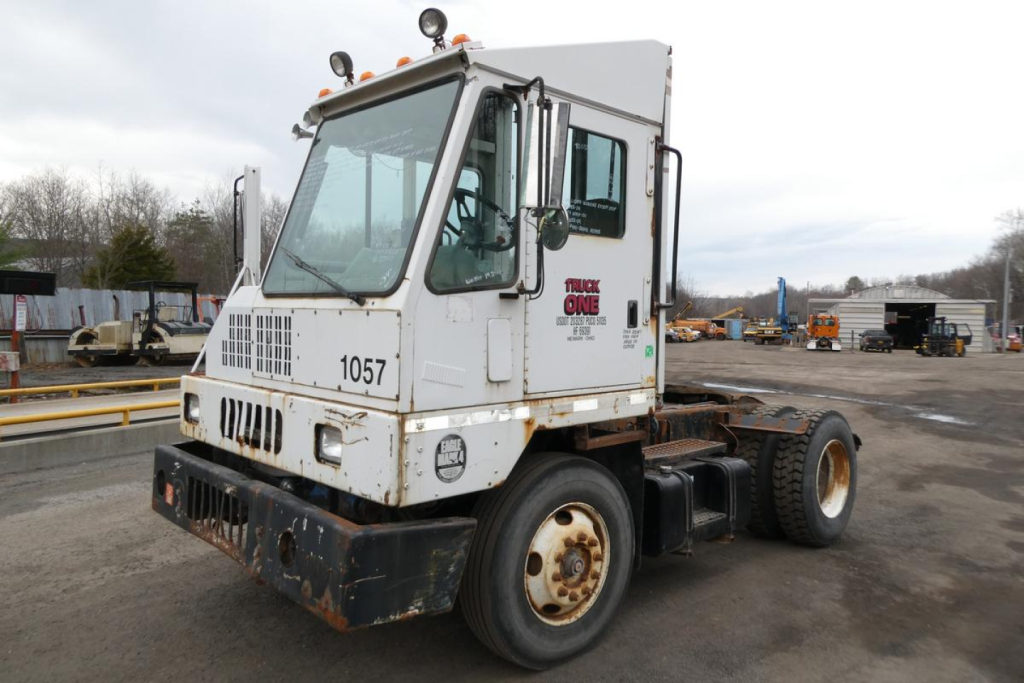
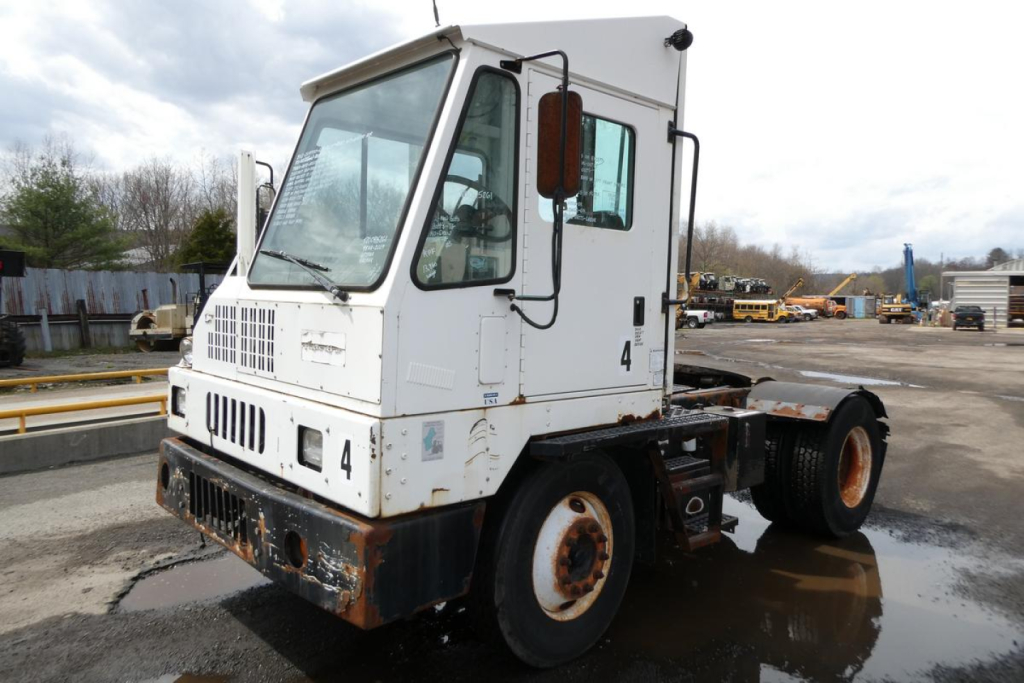
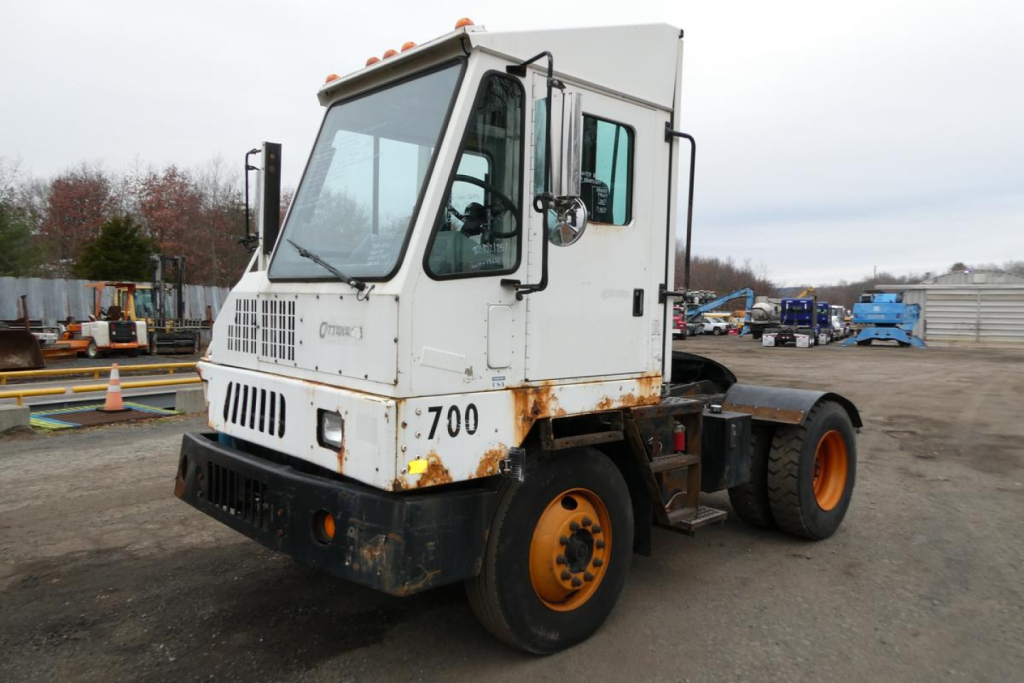
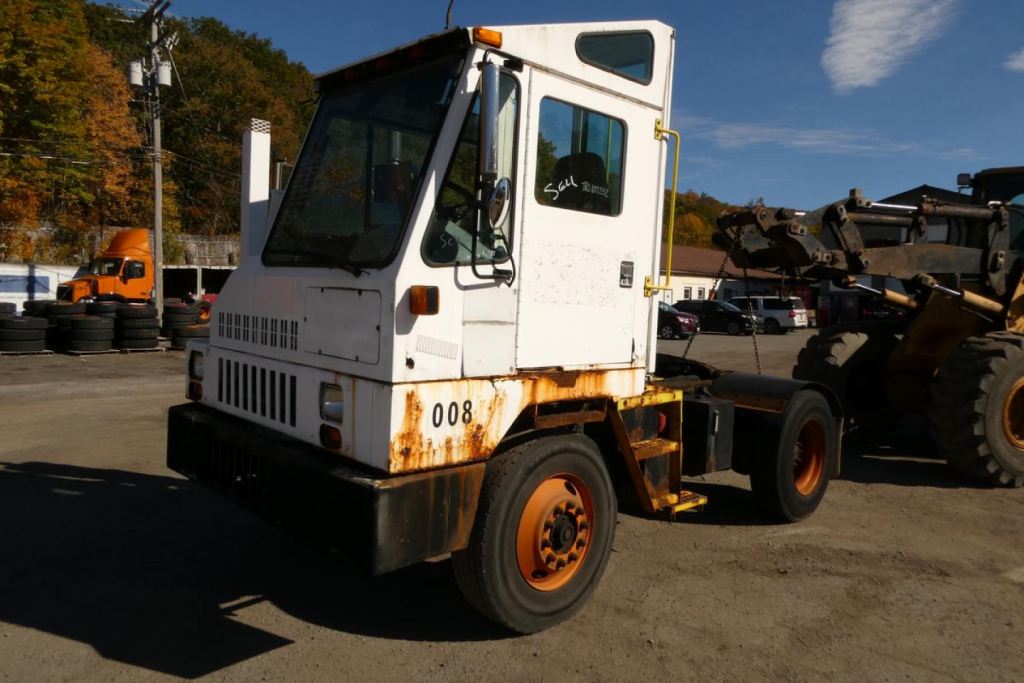
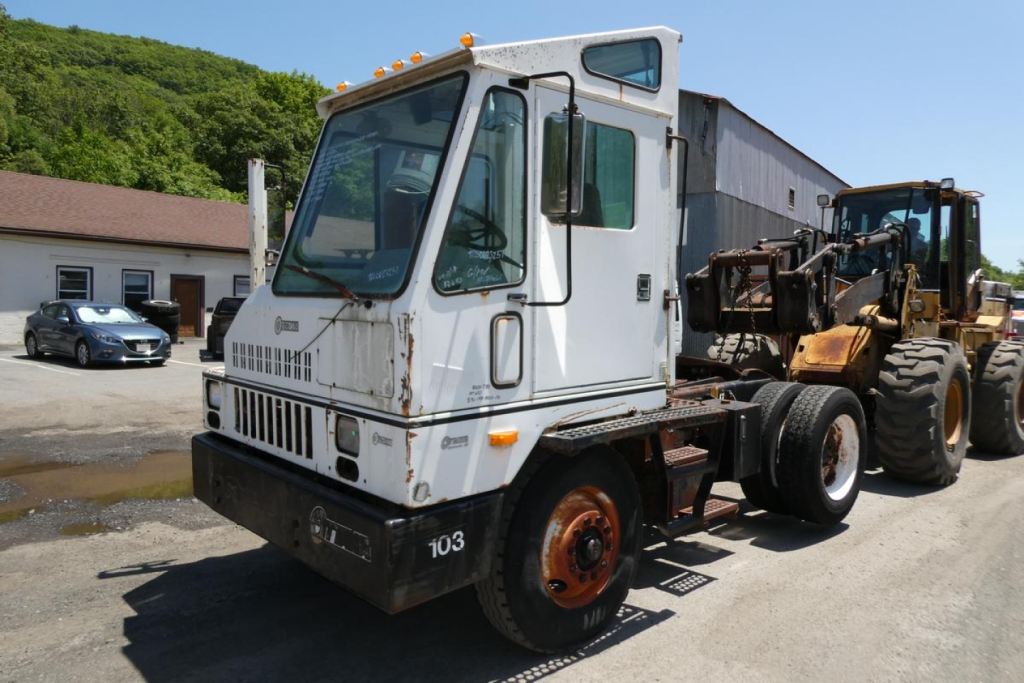
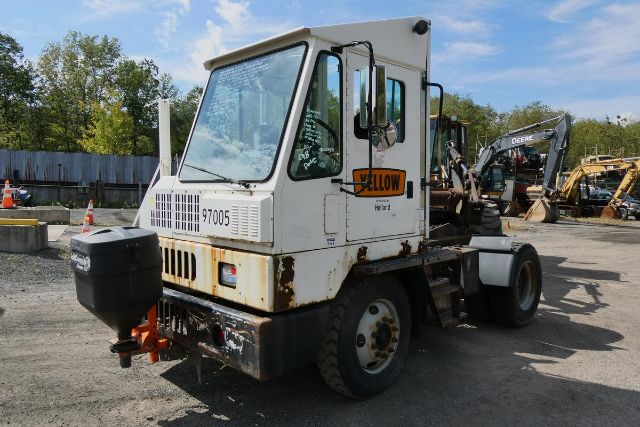
Showing 1 to 12 of 35 results
Have yard truck to sell? List it here to reach thousands of buyers.
About Yard Trucks in Ohio
Most yard trucks are single-axle Class 8 units with automatic transmissions, heavy-duty cooling systems, and diesel engines in the medium-displacement range, often from Cummins paired with an Allison automatic. Buyers usually start with hours, not miles, because these trucks spend their lives in low-speed stop-and-go service. Engine idle time, transmission response, hydraulic fifth wheel operation, brake condition, and steering wear all tell you more than odometer reading. Cab layout also matters. A good yard truck should offer easy entry and exit, clear sightlines to both trailer sides, and controls that make repetitive trailer spotting efficient over a full shift.
For Ohio operations, cold-weather starting, heater performance, corrosion, and traction are worth close attention. Yard trucks working through snow, slush, and salted pavement can show accelerated wear on frames, air lines, electrical connections, and suspension components. Tire condition and tread type matter if the truck regularly crosses uneven pavement, dock aprons, or outdoor trailer rows in winter conditions. If the truck will stay strictly on private property, top road speed may be less important than turning radius, durability, and operator ergonomics. If occasional public-road movement is part of the job, confirm the exact legal and safety equipment requirements for that application.
A strong buyer checklist includes the lift capacity and condition of the fifth wheel, transmission shift quality under load, visibility from the cab, frame integrity, and service access for routine maintenance. Also look at how the truck was used. A spotter in a high-volume distribution yard may have substantial hours but consistent maintenance, while a lightly used unit may still have issues from long idle periods or harsh site conditions. The best yard truck is the one matched to your trailer weights, yard layout, duty cycle, and maintenance plan, not simply the newest model on the page.
Frequently Asked Questions
What is a yard truck used for?
A yard truck is used to move semi-trailers within a confined area such as a warehouse yard, terminal, port, or manufacturing facility. Its main job is trailer spotting, which includes pulling trailers from parking rows, backing them into dock doors, and repositioning loaded or empty trailers quickly. The hydraulic fifth wheel allows frequent trailer hookups without the driver leaving the cab, which is why yard trucks are much more efficient than road tractors for this kind of repetitive work.
What should I look at first when buying a used yard truck?
Start with operating hours, overall maintenance history, and the condition of the hydraulic fifth wheel system. Yard trucks often accumulate heavy hours at low speed, so wear on the transmission, steering, brakes, suspension, and cooling system matters more than mileage. It is also smart to inspect frame corrosion, air and electrical lines, cab entry steps, and visibility from the operator seat. A used yard spotter should be judged by duty-cycle wear and service records, not just model year.
Are yard trucks street legal?
Some yard trucks can be equipped for limited road use, but many are intended primarily for off-highway or private-property operation. Street legality depends on the truck's equipment, registration status, local laws, and how far it needs to travel on public roads. If road crossings or short public-road trips are part of the job, confirm lighting, braking, mirrors, emissions compliance, and any state-specific requirements before buying.
Why do most yard trucks use automatic transmissions?
Automatic transmissions are preferred in yard trucks because trailer spotting involves constant stopping, reversing, creeping, and short-distance movement. An automatic reduces driver fatigue, improves consistency between operators, and handles repetitive low-speed shifting better in this type of service. In many terminal tractor applications, an Allison automatic is common because it is well suited to frequent directional changes and start-stop operation.
How is a yard truck different from a road tractor?
A yard truck is designed for maneuverability, visibility, and fast trailer handling inside a yard, while a road tractor is built for sustained highway travel. The most obvious difference is the hydraulic lifting fifth wheel on a yard truck, which speeds hookups and drop-offs. Yard trucks also typically have shorter wheelbases, easy step-in cab access, and gearing suited for low-speed work instead of fuel-efficient over-the-road driving.