
Western Star Grapple Trucks For Sale in Florida
Browse Western Star grapple trucks for sale in Florida. Compare loader specs, axle setups, engine options, and refuse or debris applications.
Learn more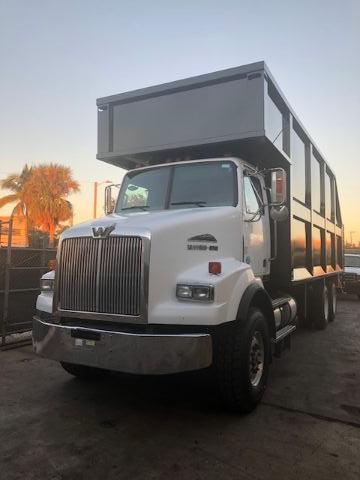
Have western star grapple truck to sell? List it here to reach thousands of buyers.
About Western Star Grapple Trucks in Florida
A typical Western Star grapple truck in this category may be equipped with a Detroit diesel in the DD13 range, often paired with a manual or vocational transmission such as an 8LL for low-speed control around tight pickups and uneven ground. That combination appeals to operators who want strong low-end torque, engine braking, and durability in severe-service work. On the body and loader side, common components include knuckleboom-style loaders from brands like Rotobec, often matched with extended booms and waste grapples for brush, C&D debris, bulky waste, and storm material. Reach, lift capacity, and cycle speed matter more than headline horsepower once the truck is in route work, so it pays to compare boom geometry, grapple condition, turntable wear, hydraulic response, and body size together rather than looking at one spec in isolation.
Body configuration is a major buying decision. Grapple trucks can be set up for municipal solid waste support, tree and landscape debris, construction cleanup, or mixed bulk material handling. Buyers should pay close attention to hoist design, body wall thickness, floor condition, tailgate sealing, and whether the truck has the right loader mount position for the intended route pattern. Rear-mounted loaders can offer advantages in certain pickup workflows, while behind-cab arrangements may change body capacity and balance. In Florida, corrosion is not always a road-salt issue, but humidity, standing water, and hard daily cycling still make hydraulic lines, outriggers, pins, bushings, and electrical systems worth a close inspection.
Western Star has a strong reputation in vocational truck applications because the platform is designed around heavy frames, serviceability, and driver durability in punishing duty cycles. For a grapple truck buyer, that translates into a truck that can handle PTO-driven hydraulic demands, repeated loading stress, and body integration without feeling undersized. The smart comparison is not just year and mileage. Look at engine hours if available, loader service history, frame condition around the mount area, suspension spec, bridge law compliance, and how the truck is actually configured for the material stream you plan to haul. A grapple truck that is well matched to route density, disposal distance, and loader reach will usually outperform a higher-powered truck with the wrong body or boom setup.
Frequently Asked Questions
What are Western Star grapple trucks commonly used for?
Western Star grapple trucks are commonly used for storm debris removal, tree and brush collection, municipal bulky waste pickup, construction and demolition debris handling, and wood waste hauling. Their vocational chassis design makes them a strong fit for jobs that combine repeated loading cycles, uneven terrain, and heavy body and loader demands.
What specs matter most when comparing a grapple truck?
The most important specs are axle configuration, GVWR, engine and transmission pairing, loader brand and model, boom reach, grapple type, body capacity, and hydraulic system condition. Buyers should also evaluate frame integrity around the loader mount, outrigger condition, PTO operation, and how the body layout matches the material being collected.
Is a tandem axle Western Star grapple truck better than a single axle?
A tandem axle grapple truck is usually the better choice for heavier debris work, larger bodies, and higher loader weights because it offers more legal payload capacity and better stability. A single axle may work for lighter municipal or tree service applications, but tandem axle trucks are more common when the job involves dense material streams or longer haul distances to disposal sites.
Are manual transmissions common in grapple trucks?
Yes, manual transmissions such as an 8LL are still common in vocational grapple truck service because they provide good low-speed control and reliable performance in stop-and-go routes, tight pickups, and off-road conditions. Some fleets prefer automated options for driver availability, but many operators still value a manual for precise control around loading operations.
What should a buyer inspect on a used grapple truck in Florida?
A buyer in Florida should inspect hydraulic hoses and cylinders, loader pins and bushings, body floor and sidewall wear, outrigger function, electrical connections, cooling system condition, and any corrosion related to humidity or standing water exposure. It is also important to check tire condition, suspension wear, PTO engagement, and service records for both the chassis and the loader.