
Used XL Specialized Lowboy Trailers For Sale in Pennsylvania
Shop used XL Specialized lowboy trailers in Pennsylvania. Compare detach styles, capacities, deck lengths, axle setups, and hauling features.
Learn more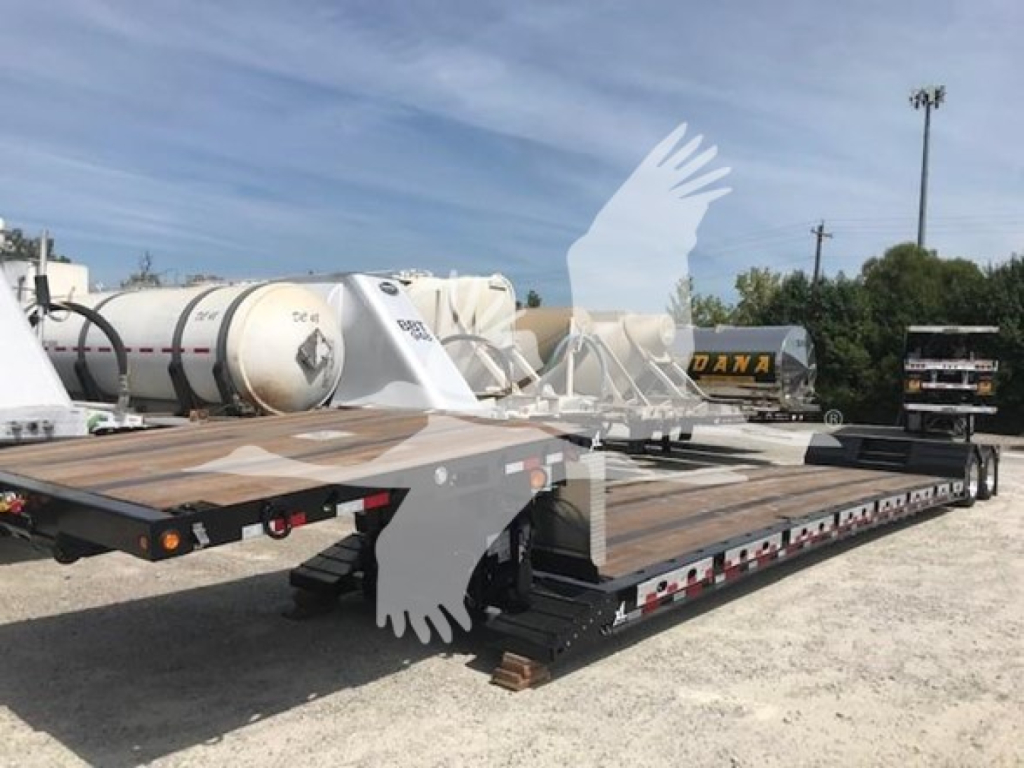
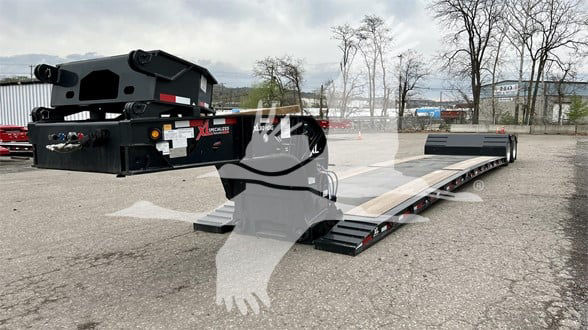
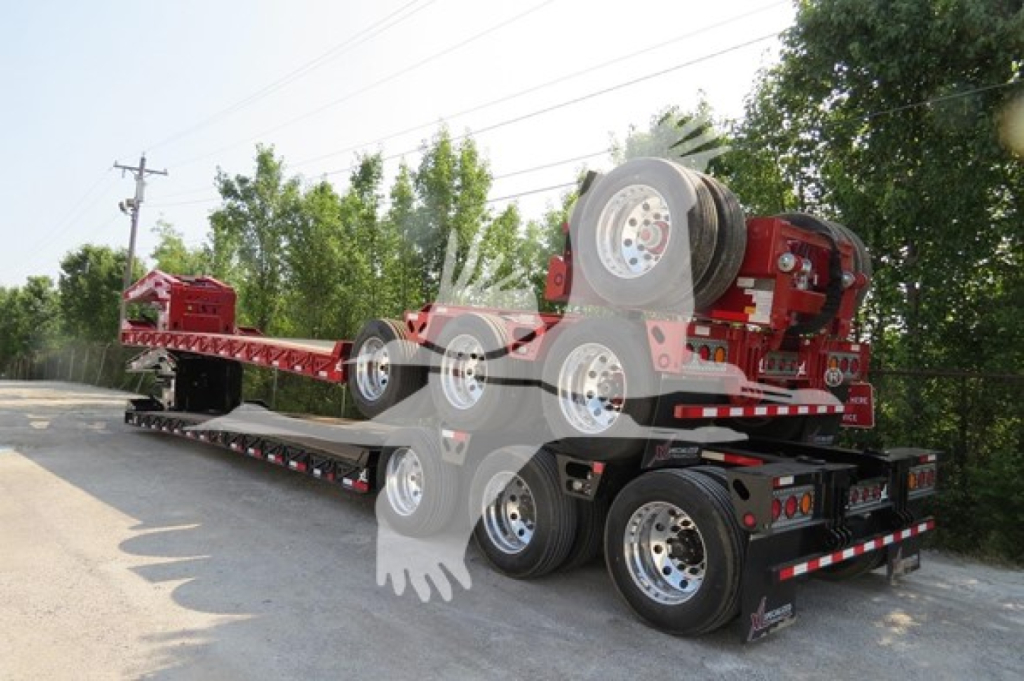
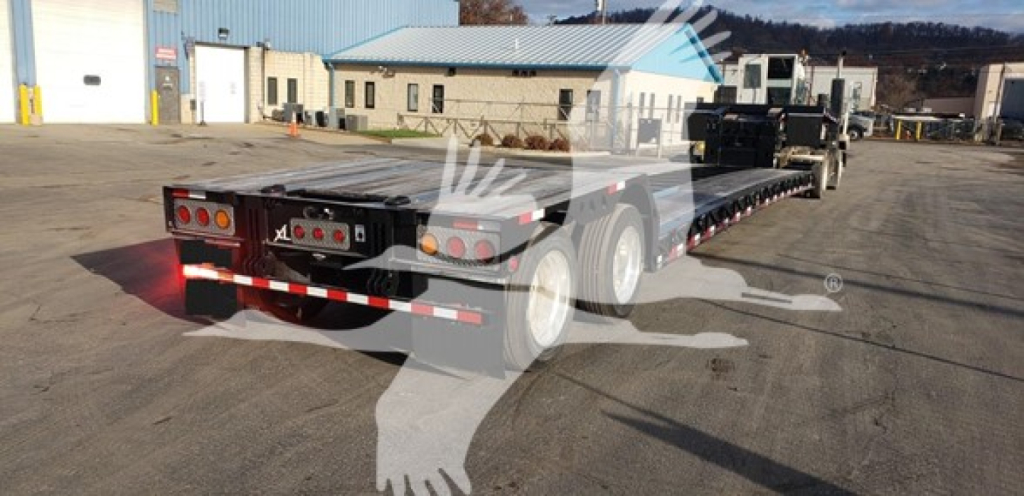
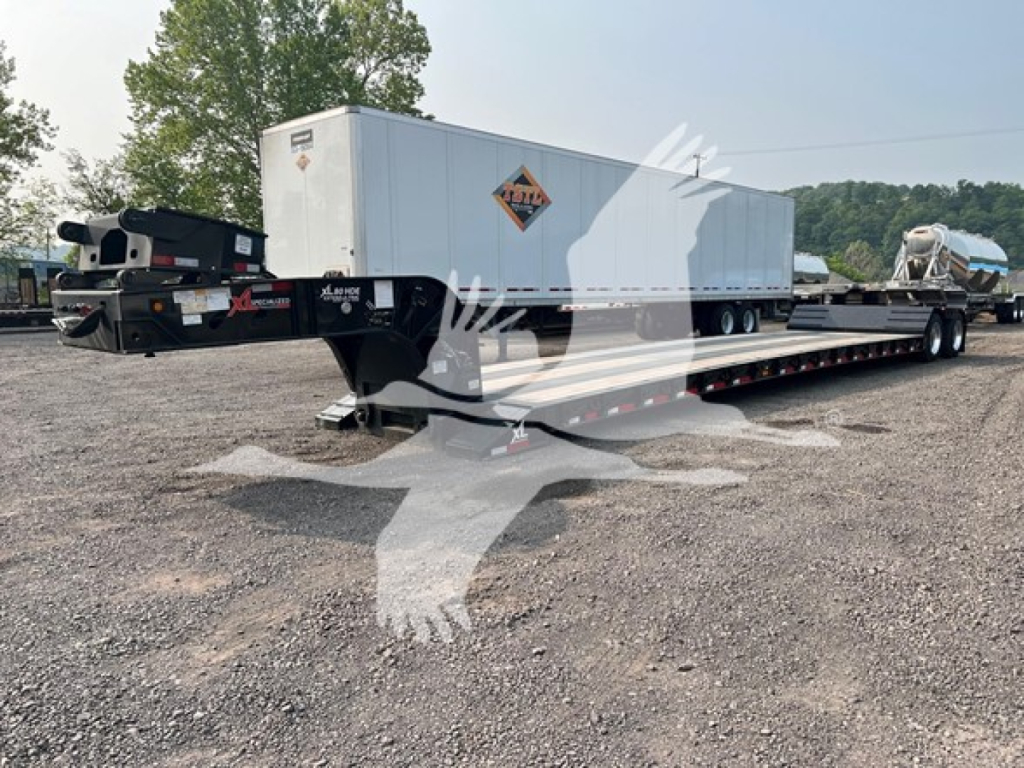
Have used xl specialized lowboy trailer to sell? List it here to reach thousands of buyers.
About Used XL Specialized Lowboy Trailers in Pennsylvania
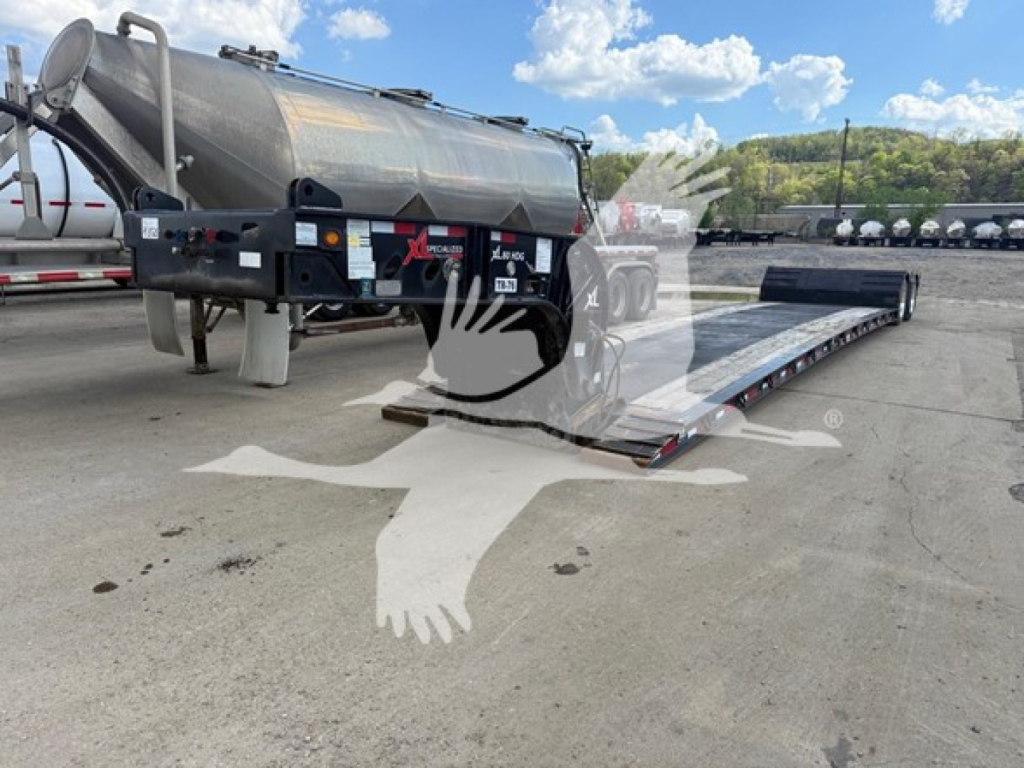
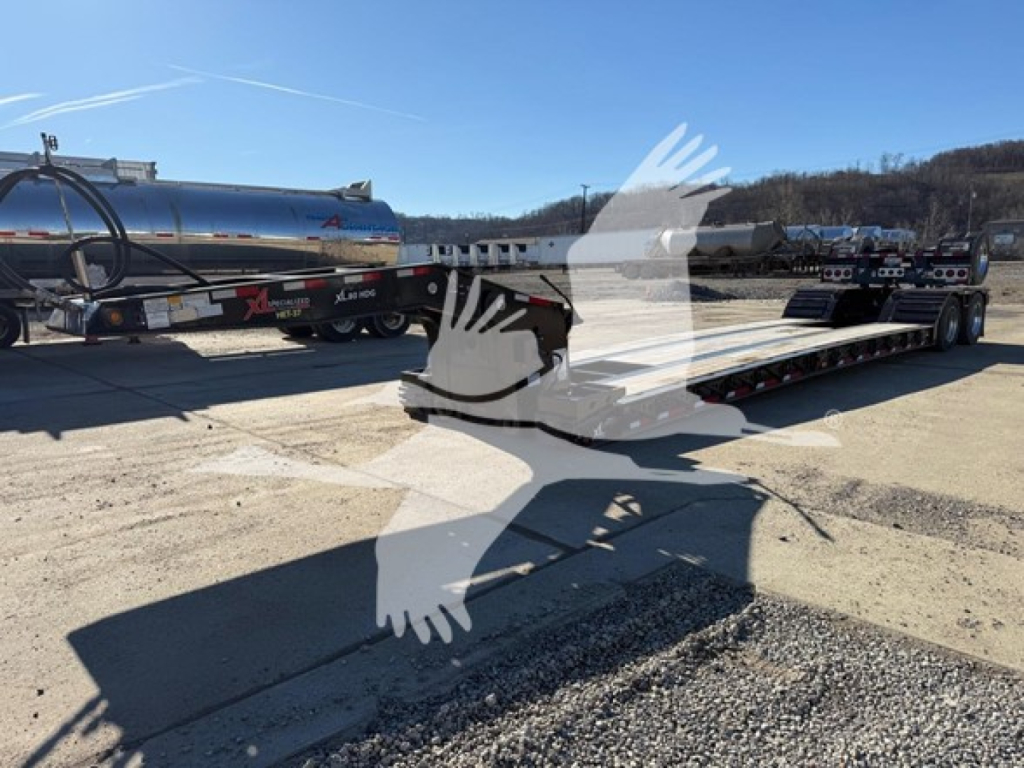
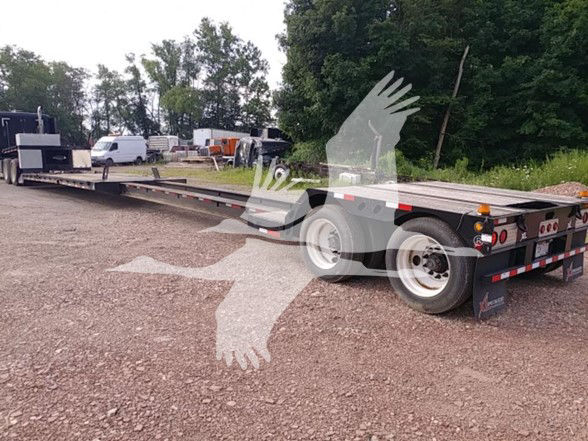
In this category, common configurations include mechanical detachable gooseneck and hydraulic detachable gooseneck designs, along with mini deck and extendable models. Typical specs seen on used XL Specialized lowboys include 35-ton to 40-ton class trailers, plus heavier 80,000-pound and 110,000-pound rated designs depending on axle group, frame build, and bridge setup. Main deck lengths often fall in the low-30-foot range on closed configurations, with some models extending significantly for longer machinery. Deck construction frequently includes 1 1/8-inch Apitong flooring, steel perimeter beams, D-rings, chain slots, swing-out outriggers, and air ride suspension. Low loaded deck height is a major selling point, and buyers should compare 12-inch, 15-inch, and 20-inch deck heights carefully because that affects overall loaded height, approach angle, and machine compatibility.
A used lowboy should be evaluated as a structural trailer first and a spec sheet second. Check the gooseneck for wear at pivot points, hydraulic cylinders, pony motor operation, and non-ground-bearing detach function if equipped. Review kingpin settings, crossmember spacing, frame rail condition, deck wear, rear bridge area, and signs of repairs around concentrated load zones. On Pennsylvania jobs, axle spacing, tire condition, brake life, suspension type, and any flip axle or neck extension compatibility can matter for permitting and for matching the trailer to the tractor and load plan. Features such as ride height adjustment, raise-and-lower valves, scraper necks, boom wells, bucket wells, rear axle lift, and battery-backed strobes can make a real difference in daily use depending on the freight.
For many buyers, XL Specialized stands out because the trailers are designed around equipment loading efficiency and heavy-haul practicality. A narrow classic neck may suit some machines better, while a full-width hydraulic neck can improve loading flexibility. A mini deck can be ideal when very low deck height and reduced overall height are the priority, while an extendable lowboy makes more sense for longer equipment or changing load profiles. The right used XL Specialized lowboy is the one that matches your actual machine dimensions, axle weight distribution, permit needs, and loading method, not just the highest published capacity.
Frequently Asked Questions
What is the difference between a mechanical detachable and a hydraulic detachable XL Specialized lowboy?
A mechanical detachable gooseneck is generally simpler and can be attractive to buyers who want fewer hydraulic components to maintain, while a hydraulic detachable gooseneck offers faster loading and unloading and is often preferred in frequent equipment moves. Hydraulic detach trailers can improve jobsite efficiency, but buyers should inspect the power unit, cylinders, hoses, and controls closely on a used trailer. The best choice depends on load frequency, operator preference, and how much value you place on speed and convenience versus mechanical simplicity.
What deck height should I look for on a used XL Specialized lowboy trailer?
Deck height is one of the most important buying factors because it directly affects overall loaded height and determines what machines can move without route or permit complications. Very low main deck heights around 12 inches are common on mini deck style trailers and help with taller equipment, while 15-inch and 20-inch deck heights may suit different capacity classes or frame designs. Buyers should measure their actual machine heights, track width, ground clearance, and loading angle needs before choosing a trailer based only on ton rating.
How do I know if a used XL Specialized lowboy has the right capacity for my equipment?
Capacity should be matched to the actual machine operating weight, attachment weight, deck load concentration, and axle group configuration, not just the trailer model name. A trailer rated at 35 ton, 40 ton, or 80,000 pounds distributed may have a different rating in a shorter load area such as 10 feet or 16 feet, which matters for machines with concentrated track or axle loads. Review the manufacturer plate, any available build sheet, axle setup, and deck rating details, then compare them against the machine's real loading footprint.
What should I inspect first on a used XL Specialized lowboy in Pennsylvania?
Start with the frame, gooseneck, suspension, brakes, tires, and deck structure because these areas affect safety, legal compliance, and repair cost the most. Look for cracks, weld repairs, worn bushings, uneven tire wear, damaged Apitong flooring, and leaking hydraulic components. In Pennsylvania, where trailers often see mixed highway and jobsite use, it is also smart to verify inspection status, lighting function, axle spacing, and whether any flip axle components or extensions are included and serviceable.
Are XL Specialized mini deck lowboys better than standard lowboy configurations for equipment hauling?
A mini deck lowboy is not automatically better, but it is often the better fit for taller machinery that benefits from a very low loaded deck height. Standard lowboy and heavier detachable configurations may offer different deck lengths, neck designs, and capacity ranges that better suit larger or more concentrated loads. The decision comes down to the dimensions and weight distribution of the equipment you haul most often, along with the permits, route restrictions, and loading method your operation uses.