
Used Trailers For Sale in Nebraska
Browse used trailers for sale in Nebraska, including dry vans, reefers, and flatbeds with specs that matter for freight, durability, and compliance.
Learn morePopular Trailers Categories
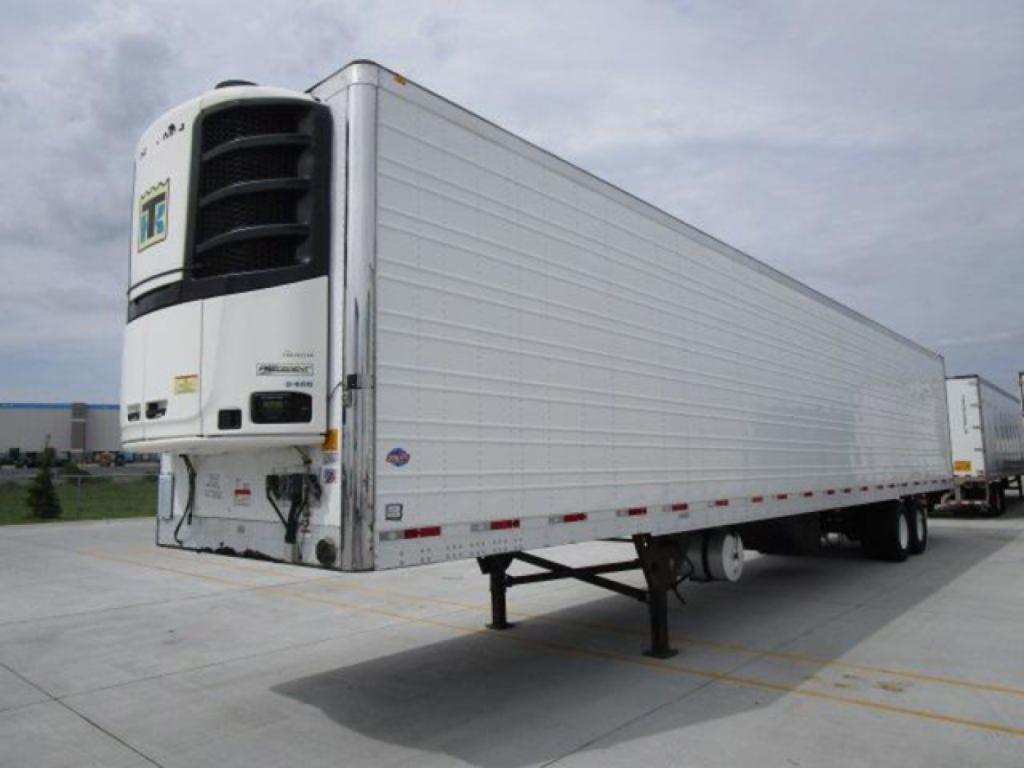

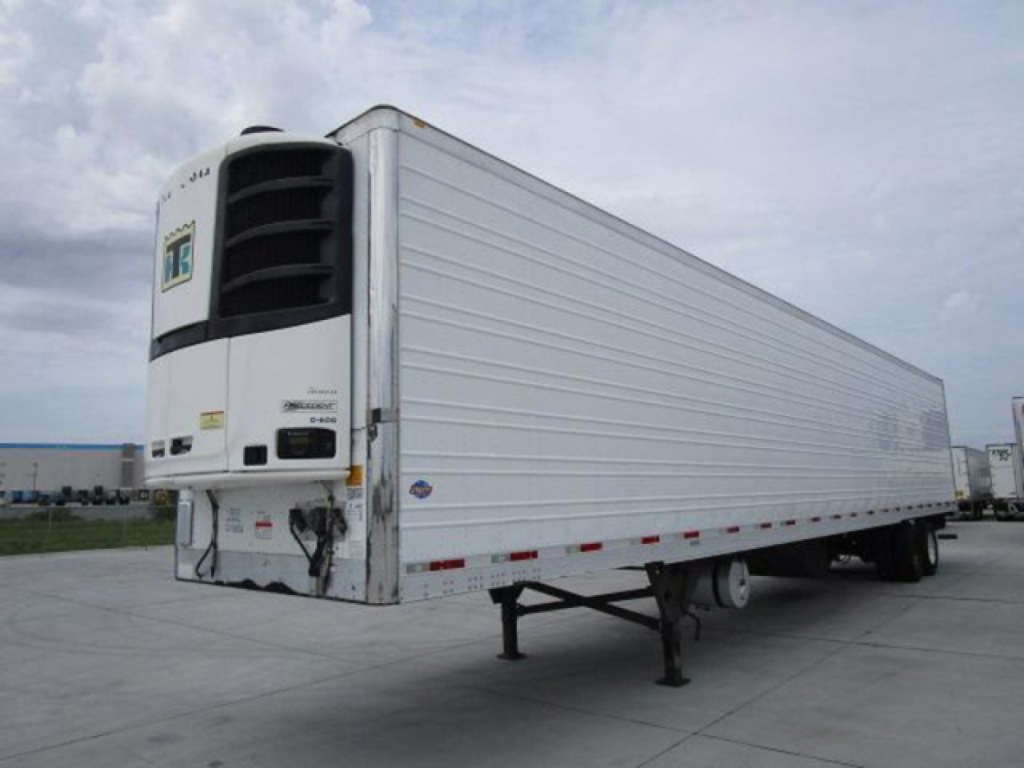
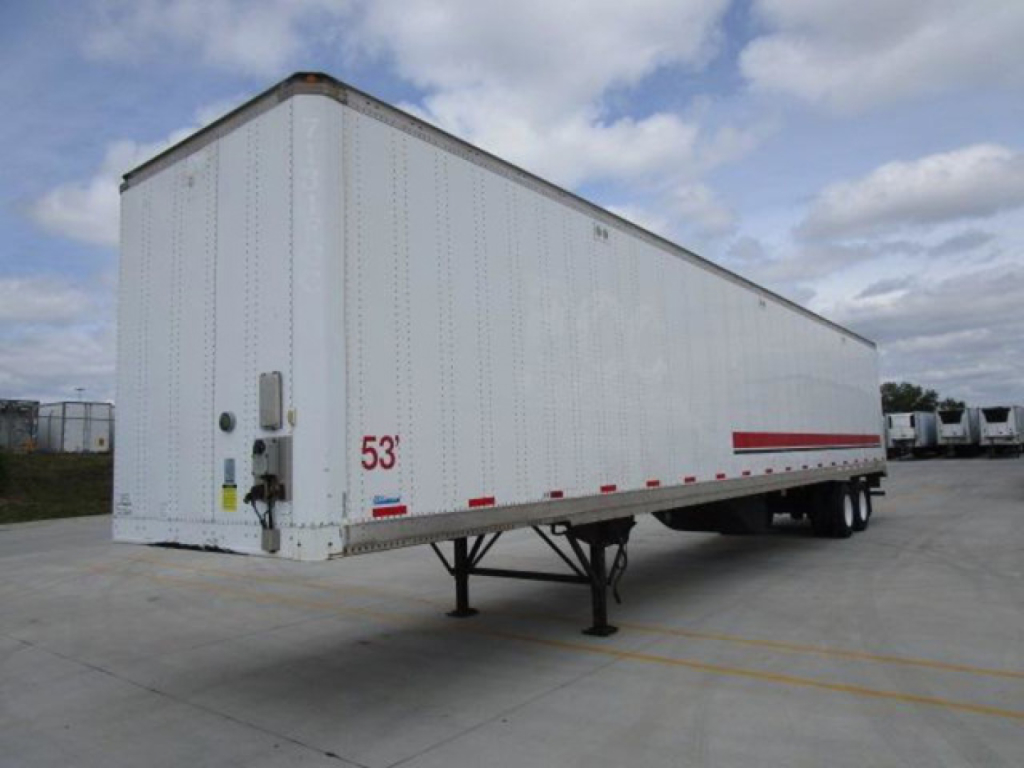
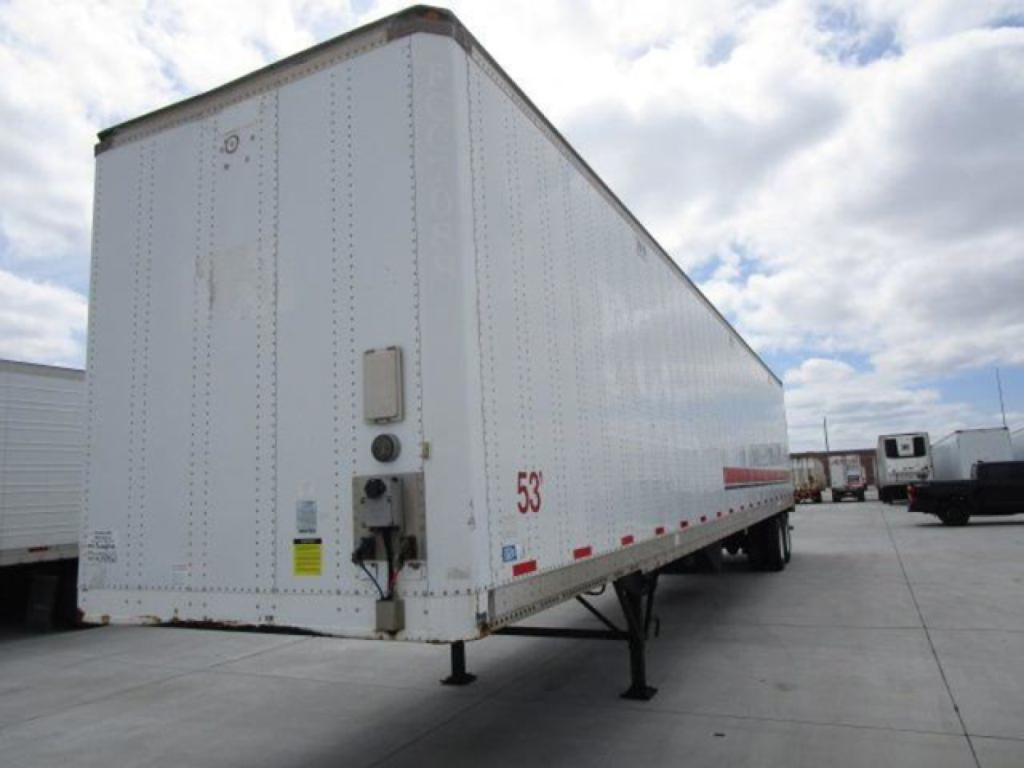
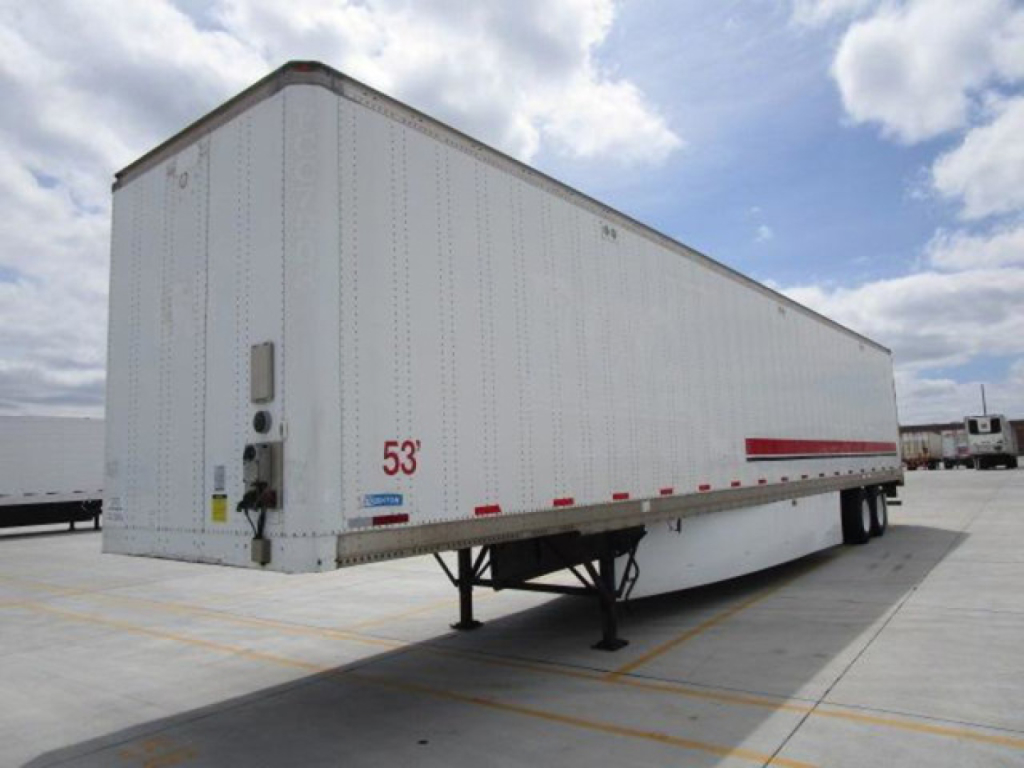
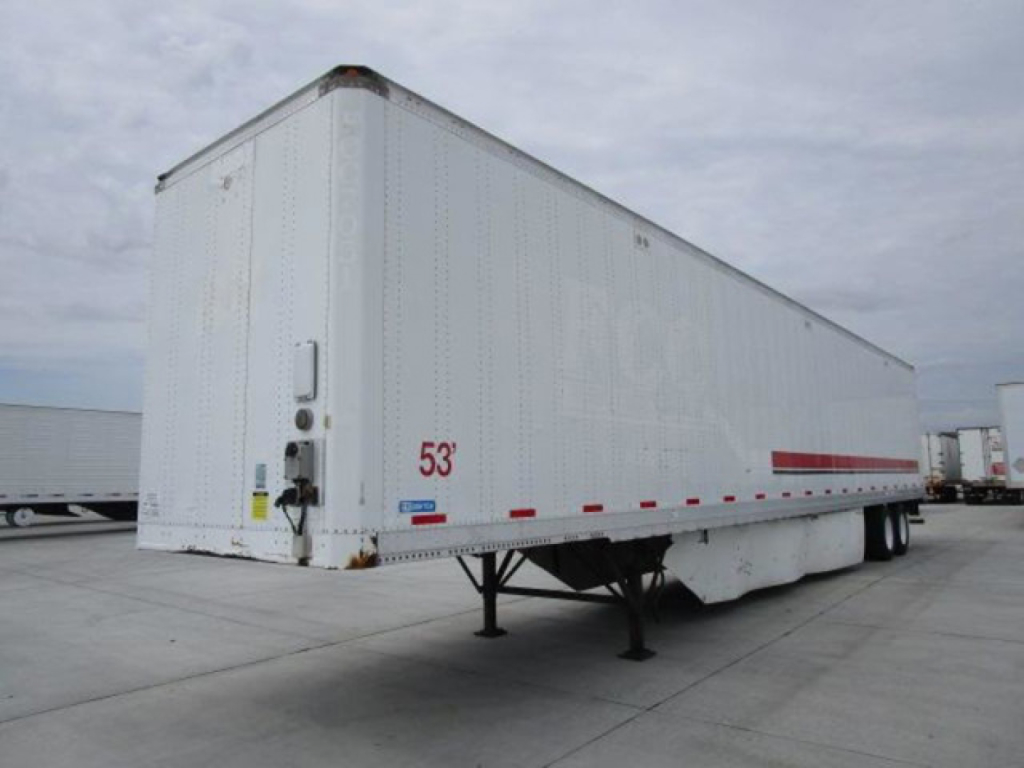
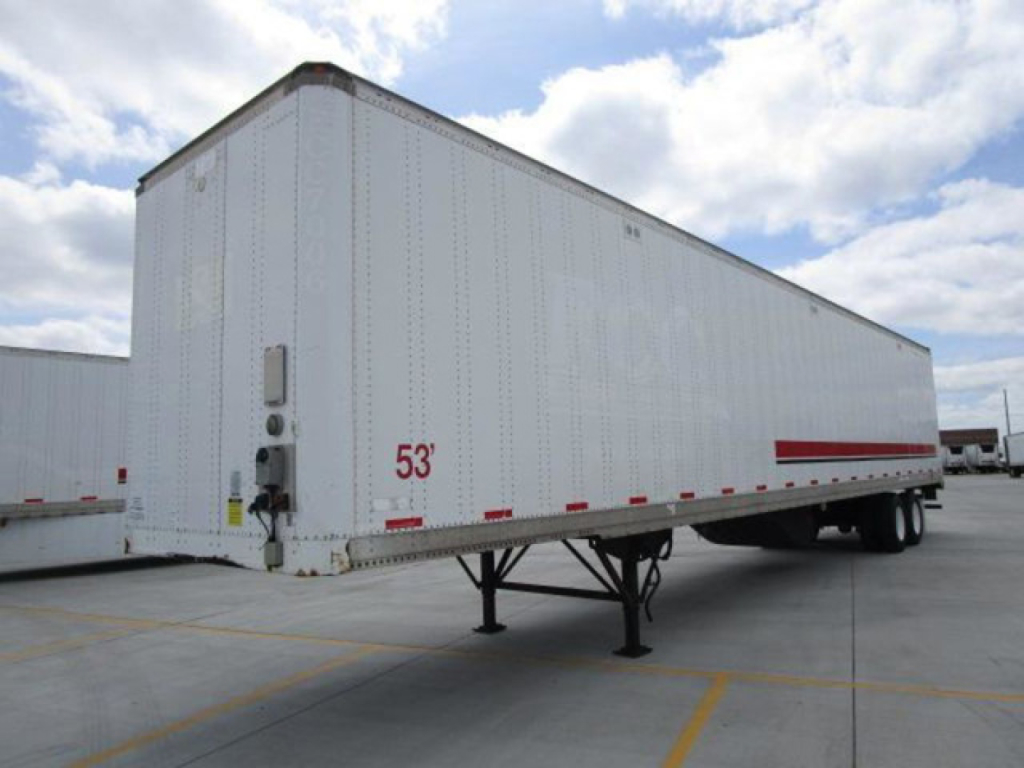
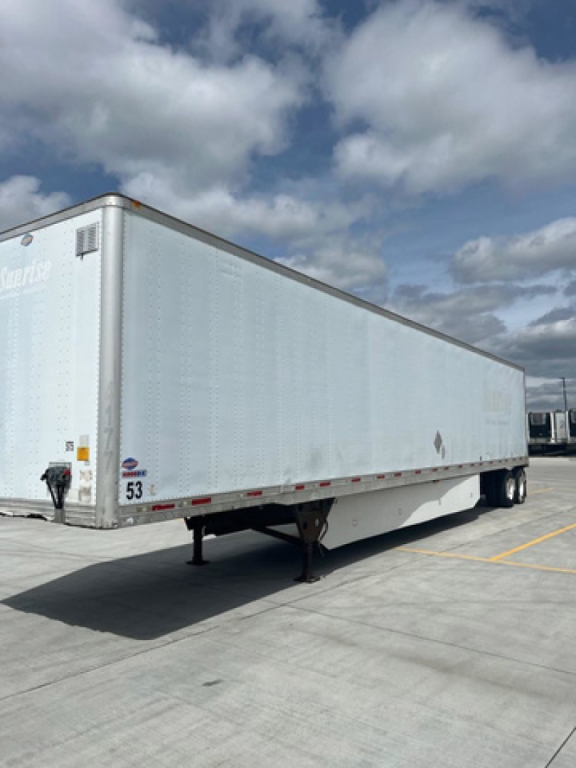
Showing 1 to 12 of 21 results
Have used trailer to sell? List it here to reach thousands of buyers.
About Used Trailers in Nebraska
Nebraska buyers often look for trailers that can handle interstate lane work, grain and ag-related freight, food distribution, and seasonal weather swings. Suspension type matters here. Air ride is common for better freight protection and ride quality, while spring ride can still make sense for certain dry freight and lower-cost applications. Sliding tandems are a major consideration for bridge-law compliance and dock flexibility, especially on 53-foot vans and reefers. On flatbeds, spread axles can improve weight distribution but may limit maneuverability in tighter yards. Tire size, wheel type, and the presence of tire inflation systems can also affect maintenance cost and uptime over long regional runs.
Construction details tell you a lot about long-term value in a used trailer. Aluminum vans and reefers can help reduce tare weight, while plate or sheet-and-post designs influence repair cost, durability, and resale. On dry vans, check floor condition, threshold wear, roof integrity, sidewall lining, and rear frame damage from dock impact. On reefer trailers, buyers should pay close attention to reefer unit hours, service history, insulation condition, chute or air delivery system, and door seal performance. For flatbeds, deck condition, crossmember integrity, winch track wear, and signs of concentrated load stress around the coil package are key inspection points. Disc wheels, low-profile 22.5 tires, and corrosion-resistant components are also common spec points that can affect total operating cost.
A good used trailer should match both the freight and the revenue model. A logistics-equipped van is better suited for mixed palletized freight and load bars. A reefer with a proven Carrier or Thermo King unit is more attractive for contract temperature-controlled work. An aluminum flatbed with nail strips, toolboxes, and air ride is a stronger fit for steel, building materials, and machinery. Buyers comparing used trailers in Nebraska should focus less on brand alone and more on structural condition, maintenance history, spec compatibility, and how easily the trailer will integrate into existing routing, customer requirements, and tractor wheelbase setup.
Frequently Asked Questions
What types of used trailers are most common in Nebraska?
Dry van trailers, reefer trailers, and flatbed trailers are among the most common used trailer types in Nebraska. Dry vans are widely used for general freight, retail loads, and palletized shipments. Reefers are common in food and temperature-controlled distribution. Flatbeds are a strong fit for construction materials, machinery, steel, and agricultural-related freight. The most common dimensions in over-the-road use are 53 feet long and 102 inches wide, with tandem or spread axle configurations depending on the application.
What should I inspect first on a used trailer?
Start with the frame, suspension, brakes, tires, floor, roof, and rear structure. On vans and reefers, inspect the floor for rot, excessive patching, and forklift damage, then check the sidewalls, scuff liners, and roof for impact or leak history. On flatbeds, inspect the deck surface, crossmembers, and securement equipment such as winch tracks and rub rails. Also review tandem slide operation, landing gear condition, wheel ends, and any signs of corrosion or prior structural repair. If it is a reefer, unit hours and maintenance records are critical.
Is air ride better than spring suspension on a used trailer?
Air ride is generally preferred for freight protection, ride quality, and broader shipper acceptance, especially on dry vans, reefers, and premium flatbed specs. It helps reduce cargo shock and is common in long-haul and higher-value freight applications. Spring suspension can be simpler and sometimes less expensive to maintain, but it typically delivers a rougher ride. The better choice depends on the freight, the lanes, and how important cargo sensitivity is to the operation.
How important is a sliding tandem on a used van or reefer trailer?
A sliding tandem is very important on many 53-foot vans and reefers because it gives the operator flexibility for bridge-law compliance, axle weight distribution, and dock positioning. It can make a big difference when hauling variable-weight freight across multiple states or working facilities with tight approach angles. A fixed tandem may work in some dedicated applications, but a sliding tandem usually offers better versatility for general freight and irregular routes.
What specs matter most on a used flatbed trailer?
Key flatbed specs include overall length, axle spacing, deck material, trailer weight, suspension type, and cargo securement equipment. Buyers should look for features such as sliding winch tracks, winches, stake pockets, chain spools, nail strips, and coil packages if the freight requires them. Aluminum flatbeds usually offer lower tare weight, while steel models may appeal to buyers prioritizing durability in severe-duty work. Deck condition and crossmember health are especially important because they directly affect load safety and repair cost.