
Used Vacuum Trailers For Sale in Colorado
Browse used vacuum trailers for sale in Colorado, including non-code and tanker models with common specs, applications, pump setups, and axle options.
Have used vacuum trailer to sell? List it here to reach thousands of buyers.
Used Vacuum Trailers in Colorado
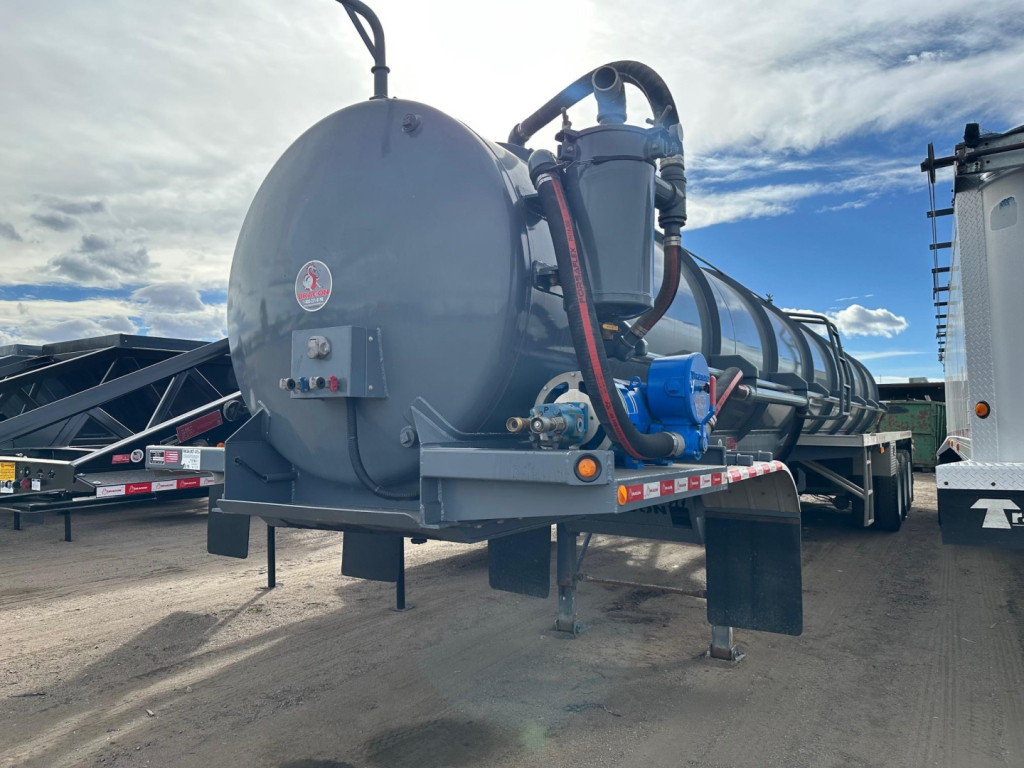
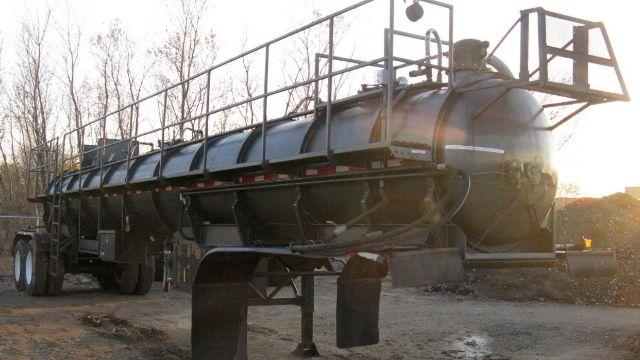
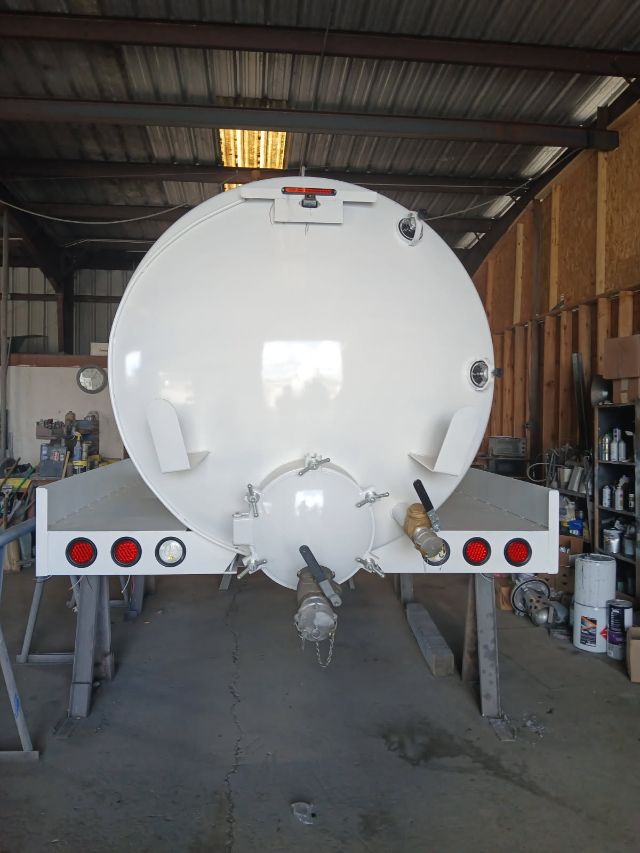
The pump system is the heart of the trailer. Listings in this category commonly feature Fruitland, Challenger, or comparable hydraulic or PTO-driven vacuum pumps and blowers. Buyers should confirm vacuum and pressure ratings, loading and unloading limits, maximum product temperature, and the size and placement of inlet and outlet connections. Rear and side hose connections, 2-inch and 4-inch couplers, hose trays, belly tubes, and hose compartments all affect how efficiently a trailer works in the field. Dome lids, internal baffles, level gauges, rear work lights, catwalks, and toolboxes are not minor details on a vacuum trailer. They directly affect cleanout, operator access, and day-to-day serviceability.
Suspension, brake spec, and tire size matter more on a vacuum trailer than many buyers expect because these trailers tend to spend their lives fully loaded and on mixed surfaces. Air ride suspension is common on higher-capacity units, while spring ride can still be found on older or simpler trailers. Air brakes, 11R24.5 rubber, lift axles, and landing gear condition are worth checking closely on used equipment. If the trailer will run in oilfield service, mountain grades, or seasonal road conditions in Colorado, frame condition, brake life, and tire age deserve the same attention as the tank itself. A solid used vacuum trailer should also be inspected for shell thickness, signs of internal corrosion, weld repairs, pump hours if available, and the condition of valves, seals, and hoses.
Buyers comparing used vacuum tanker trailers should match the trailer to the material being handled and the route it will run. Tank shape, compartment count, baffling, and overall length affect surge control and legal payload. A single-compartment trailer may be ideal for straightforward liquid waste or water service, while a more specialized setup may suit industrial vacuum work. The best choice usually comes down to payload capacity, unloading speed, code compliance, and ease of maintenance. On used units, a trailer with a well-documented pump system, sound tank structure, and practical hose and access layout will usually outperform a newer-looking trailer with unknown service history.
Frequently Asked Questions about Used Vacuum Trailers in Colorado
What is the difference between a non-code vacuum trailer and a coded vacuum trailer?
A non-code vacuum trailer is generally used for applications that do not require the tank to meet ASME pressure vessel code standards. These are common in water hauling, oilfield service, and general vacuum work where the material and operating pressures fall within the trailer's design limits. A coded vacuum trailer is built to a recognized pressure vessel standard and is typically required for certain regulated products, pressures, or jobsite specifications. Buyers should confirm the intended product, operating pressure, and customer or regulatory requirements before choosing between the two.
What capacity should I look for in a used vacuum trailer?
Capacity depends on material weight, route length, and axle layout. Smaller vacuum trailers around 3,500 gallons can be a practical fit for tighter jobsites or lower-volume service work, while larger trailers in the 130 to 165 barrel range are common in oilfield and high-volume liquid hauling. The useful number is not just gross tank size but legal payload after accounting for tare weight, axle spread, and state road limits. In Colorado, terrain and hauling distance can make legal loaded weight just as important as raw capacity.
What should I inspect first on a used vacuum trailer?
Start with the tank, pump, and running gear. Inspect the shell for corrosion, patchwork, thin spots, and weld repairs, then verify the pump make, model, operating condition, and pressure or vacuum ratings. After that, check valves, couplers, hose storage, suspension, brakes, tires, landing gear, and electrical components such as work lights. If maintenance records are available, they can be as valuable as the physical inspection because vacuum trailers often work in corrosive and high-cycle environments.
Are tri-axle vacuum trailers better than tandem axle models?
A tri-axle vacuum trailer usually offers higher legal payload potential and can be a better choice for large-capacity tanks, especially when equipped with a lift axle. Tandem axle models are often simpler, lighter, and easier to maneuver, which can be an advantage on smaller routes or tighter sites. The better setup depends on tank size, the density of the product being hauled, and the roads the trailer will run. Buyers should compare axle rating, suspension type, and empty weight rather than assuming more axles automatically means better performance.
What pump and connection specs matter most on a vacuum tanker trailer?
The most important specs are the pump or blower brand and model, vacuum and pressure capability, unloading rate, and compatibility with your existing hose and fittings. Connection size matters because 2-inch and 4-inch couplers serve different loading and unloading requirements, and side versus rear placement changes jobsite workflow. Hydraulic versus PTO-driven systems also affect how the trailer integrates with the tractor or support equipment. A good used setup is one that matches the material, loading time expectations, and service conditions without forcing expensive plumbing changes after purchase.