
Used Chassis Trailers For Sale
Used chassis trailers for container and tank hauling, including 20 ft, 40 ft, tri-axle, heavy-duty, and intermodal configurations.
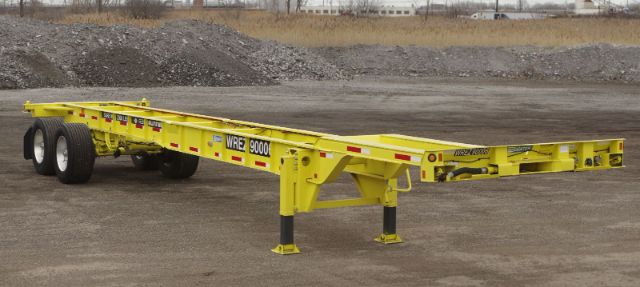
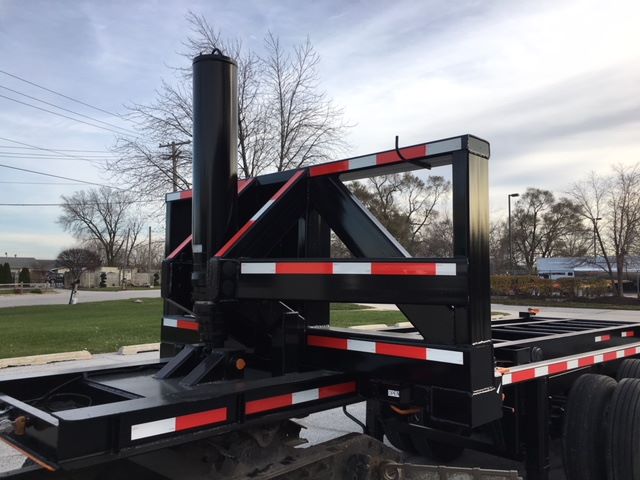
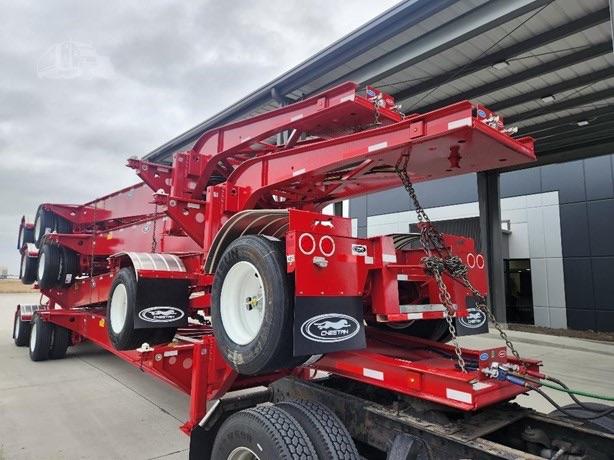
Have used chassis trailer to sell? List it here to reach thousands of buyers.
Used Chassis Trailers
On a used chassis trailer, the most important decisions are axle layout, suspension, and legal payload. Tandem axle models are common for general container work, but tri-axle chassis show up in heavier applications and in regions where bridge law or commodity weight drives the spec. Suspension can range from basic spring ride to more application-specific setups, and tire package matters more than many buyers expect. LP22.5 tires are common on lower deck-height builds, while 445/50R22.5 super singles are often chosen for stability and flotation on uneven surfaces. Buyers should also compare kingpin setting, overall length, tare weight, and whether the axle configuration is fixed or sliding, since those details affect maneuverability, container fit, and load distribution.
Condition matters on used chassis because these trailers often live hard lives in port service, rail yards, and industrial fleets. Look closely at crossmembers, bolsters, twist locks, landing gear mounts, and rear impact protection for signs of repairs, corrosion, or stress. Brake condition, drum life, hub seals, slack adjusters, ABS function, and tire inflation systems all deserve attention, especially on units advertised as DOT ready. Lighting upgrades such as LED packages can reduce maintenance, and wheel choice between steel and aluminum affects both durability and tare weight. If the chassis is intended for tank work or off-road operation, inspect frame straightness, suspension wear, and tire scrub patterns carefully because those applications can expose weak points fast.
A good used chassis trailer should match the container you haul most often, the surfaces you run on, and the weight profile of your freight. Tank chassis, tipper chassis, and heavy-duty intermodal chassis each solve a different problem, even though they sit in the same broad category. For many buyers, the best value is not the lightest or cheapest unit, but the one with the right locking arrangement, axle capacity, serviceable running gear, and a clean structural history. When comparing used chassis trailers for sale, focus on fit for your operation first, then on remaining brake, tire, and suspension life, because that is where the real operating cost shows up after purchase.
Frequently Asked Questions about Used Chassis Trailers
What is the difference between a standard intermodal chassis and an ISO tank chassis?
A standard intermodal chassis is typically set up to haul dry freight containers in common lengths such as 20 ft or 40 ft. An ISO tank chassis is designed around the dimensions, weight distribution, and securement needs of tank containers, which can carry dense liquid cargo and place different stresses on the frame. Tank chassis often require close attention to tare weight, twist lock placement, and overall balance because the payload can be heavy even in a compact footprint.
What should I inspect first on a used chassis trailer?
Start with the frame, crossmembers, twist locks, suspension, axles, brakes, and tires. Structural integrity is the first priority because corrosion, cracking, or poor repairs can be expensive to correct and may take the trailer out of service. After that, verify brake wear, drum or rotor condition, ABS operation, hub seals, lighting, and landing gear. A used chassis may look acceptable at a glance but still need immediate running gear work if it has spent years in port or yard service.
When does a tri-axle chassis make more sense than a tandem axle chassis?
A tri-axle chassis makes more sense when the operation involves heavier container weights, stricter bridge law considerations, or a need to spread load over more axle positions. This is common in certain regional markets, specialty bulk applications, and some tipper setups. The tradeoff is added complexity, more tires and brake components to maintain, and sometimes tighter maneuvering in urban pickup and delivery conditions.
Are super singles a good choice on a used chassis trailer?
Super singles can be a strong choice when flotation, stability, and lower rolling resistance matter, especially on heavy-duty chassis that see mixed pavement and yard conditions. They can also help with tare weight compared with some dual-wheel setups. The buyer should still check tire cost, local service availability, and wear pattern history. On a used chassis, uneven super single wear can point to alignment, suspension, or axle tracking problems.
How important is tare weight on a chassis trailer?
Tare weight is very important because every pound of trailer weight reduces legal payload. On container and tank work, that difference can affect how much product you can move on every trip and whether a load stays compliant. A heavier-duty chassis may give better durability and capacity, but if the operation is weight-sensitive, comparing tare weight alongside GVWR, axle ratings, and container type is essential.