
Used Oshkosh Trucks For Sale
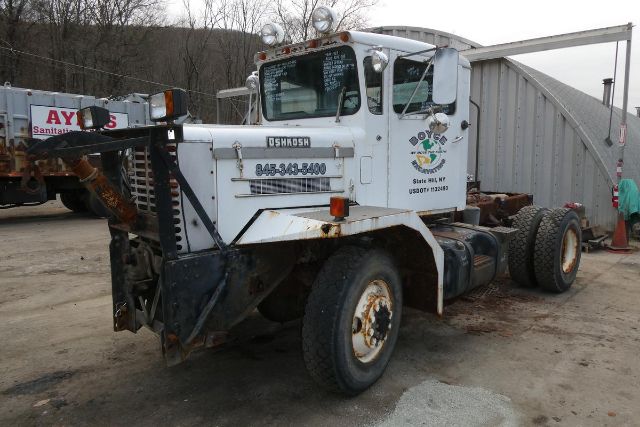
Browse used Oshkosh trucks, including severe-duty cab and chassis, plow trucks, and vocational units built for off-road and municipal work.
Learn more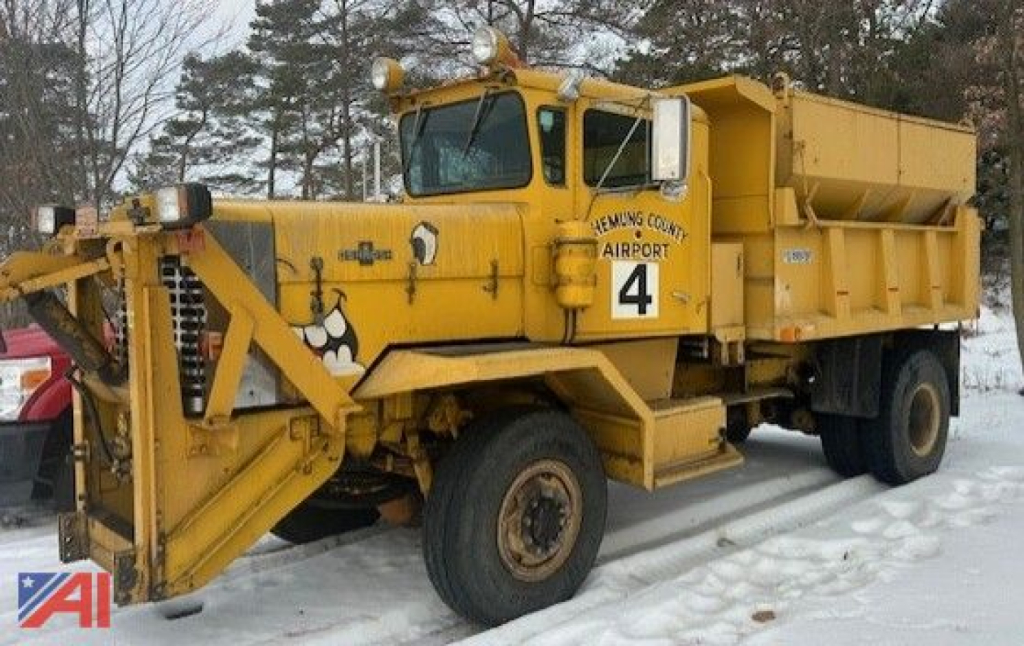
Have used oshkosh truck to sell? List it here to reach thousands of buyers.
About Used Oshkosh Trucks
The biggest buying decision is usually drivetrain configuration and how the truck was originally spec'd. Many used Oshkosh trucks are 4x4, 6x6, or other all-wheel-drive severe-service units rather than standard on-highway tandems. Look closely at axle ratings, transfer case operation, front drive axle condition, spring suspension wear, and whether the truck has single-speed or two-speed drivetrain components. On older units, common power comes from mechanical diesel engines from Cummins, Detroit Diesel, Caterpillar, or other vocational mainstays, often paired with manual transmissions, PTO setups, and hydraulic systems for plows, blowers, dump bodies, or spreaders. If the truck includes a wet kit or front-engine PTO, verify pump function, control operation, and signs of hydraulic seepage around valves, cylinders, and spinner assemblies.
Condition matters more here than age alone. Many used Oshkosh trucks have low road miles but very hard service histories, especially municipal plow trucks and seasonal snow equipment. A buyer should inspect corrosion on the frame, cab mounts, plow harnesses, spreader bodies, and brake components, along with rust around the cab floor, fenders, and electrical connections. Check hour meter readings if available, because idle time and PTO time can tell more than odometer mileage on older vocational trucks. On plow and airport snow units, pay attention to front frame extensions, push plates, wing mounts, steering gear wear, cooling system condition, and evidence of repeated impact loading. Parts support can vary by model and age, so it is smart to confirm availability for transfer case parts, axle components, hydraulic controls, and cab hardware before committing.
For buyers comparing used Oshkosh trucks against more common vocational brands, the advantage is specialized capability. These trucks are often overbuilt for standard road duty but well suited for municipalities, contractors, industrial sites, and private property maintenance where traction, front-mounted equipment, and heavy auxiliary hydraulics are required. Cab and chassis versions also appeal to buyers building a custom service body, sander, tanker, or off-road support truck. The best unit is usually the one with a complete, working drivetrain and application-specific equipment that still matches your intended use, because retrofitting driven front axles, plow gear, or transfer case systems is far more expensive than buying the right spec up front.
Frequently Asked Questions
What are used Oshkosh trucks most commonly used for?
Used Oshkosh trucks are most commonly used for snowplowing, sanding, airport snow removal, off-road support, municipal maintenance, and other severe-duty vocational work. Many were built as cab and chassis platforms with hydraulics, PTO equipment, driven front axles, and reinforced frames, which makes them a strong fit for specialized applications where a standard highway truck would be underbuilt.
Are Oshkosh trucks good for plow and spreader work?
Yes. Oshkosh has a long reputation in plow and spreader service because many units were designed for front-mounted equipment, heavy hydraulic loads, and operation in poor traction conditions. Buyers should still inspect the plow mounts, front frame rails, hydraulic pump system, spinner assembly, and electrical controls carefully, since these trucks often spend years in corrosive winter service.
What should I inspect first on a used Oshkosh truck?
Start with the drivetrain and auxiliary systems. Confirm whether the truck is 4x4, 6x6, or another severe-duty configuration, then inspect the transfer case, front drive axle, transmission, PTO, and hydraulic components. After that, check frame corrosion, brake system condition, steering wear, suspension wear, and any body or equipment mounts. On older units, serviceability and parts access are just as important as engine condition.
Do older Oshkosh trucks usually have mechanical diesel engines?
Many older Oshkosh trucks do use mechanical diesel engines, especially in municipal and off-road applications. That can be a plus for buyers who want simpler diagnostics and fewer electronic emissions-related components. The tradeoff is that age, parts availability, and prior maintenance become more important, so buyers should verify engine model, running condition, oil contamination, cooling system health, and starting performance.
Is mileage the best indicator of condition on a used Oshkosh truck?
No. On a used Oshkosh truck, mileage alone can be misleading because many units spend long hours idling, running PTO-driven hydraulics, or operating at low speeds in severe service. Hour meter readings, maintenance history, rust level, hydraulic function, and driveline condition usually give a more accurate picture of remaining value than odometer mileage by itself.