
Used Oshkosh Plow Trucks For Sale
Browse used Oshkosh plow trucks built for severe-duty snow and ice control, with front plows, spreaders, all-wheel-drive, and municipal specs.
Learn more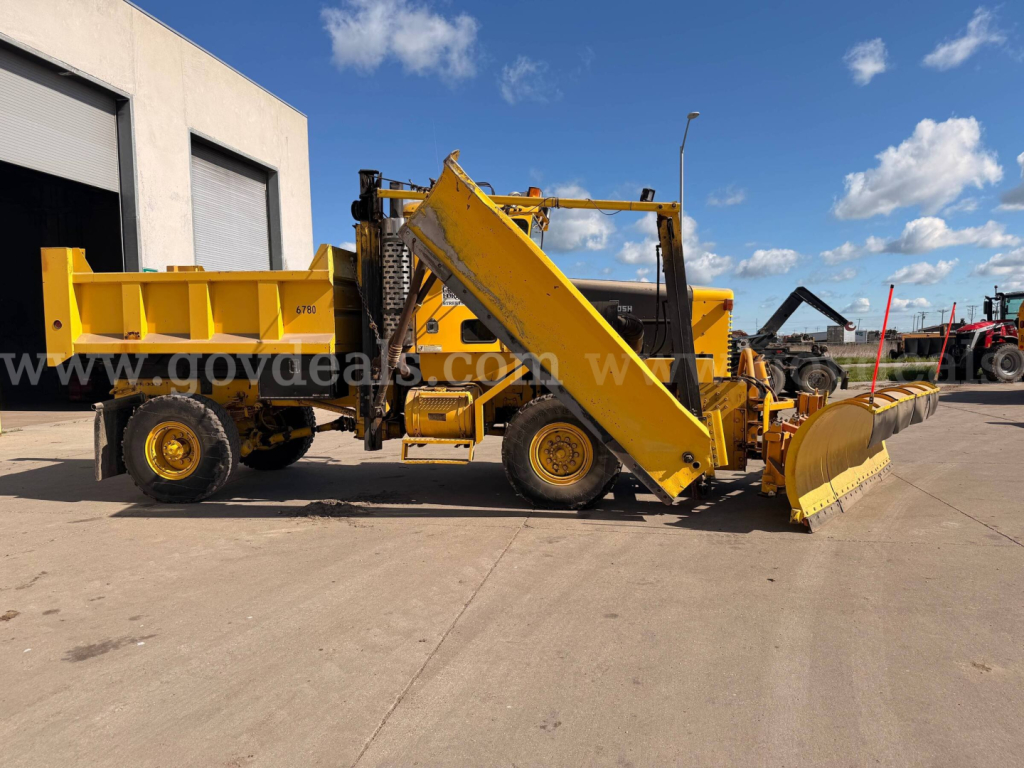
Have used oshkosh plow truck to sell? List it here to reach thousands of buyers.
About Used Oshkosh Plow Trucks
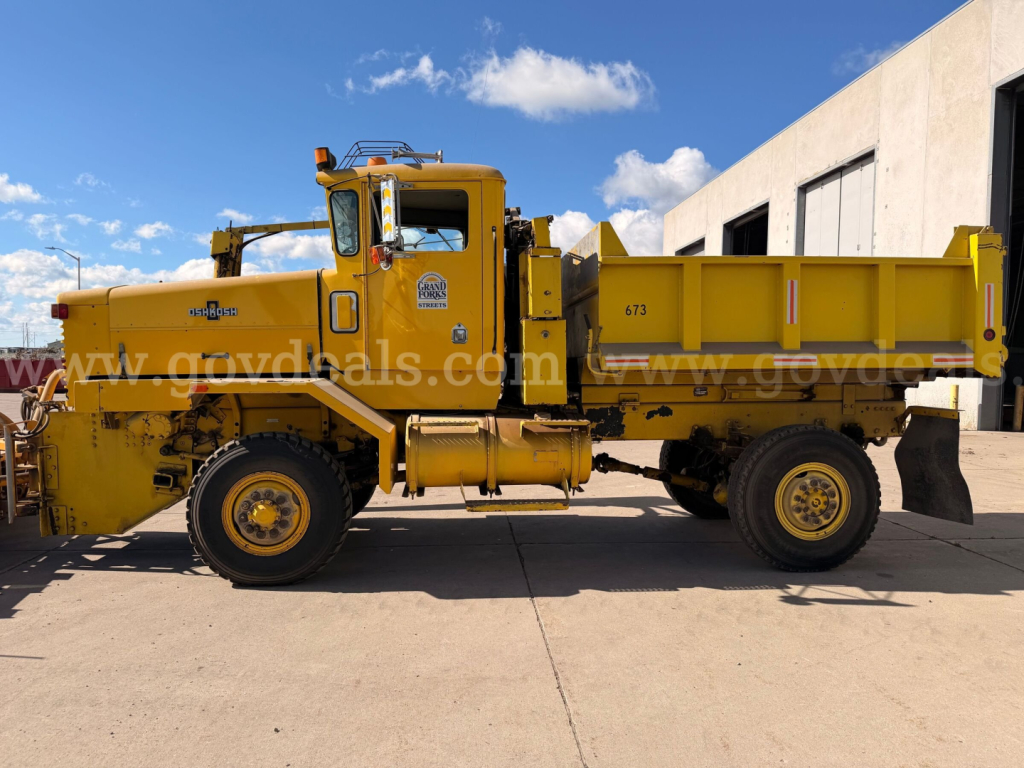
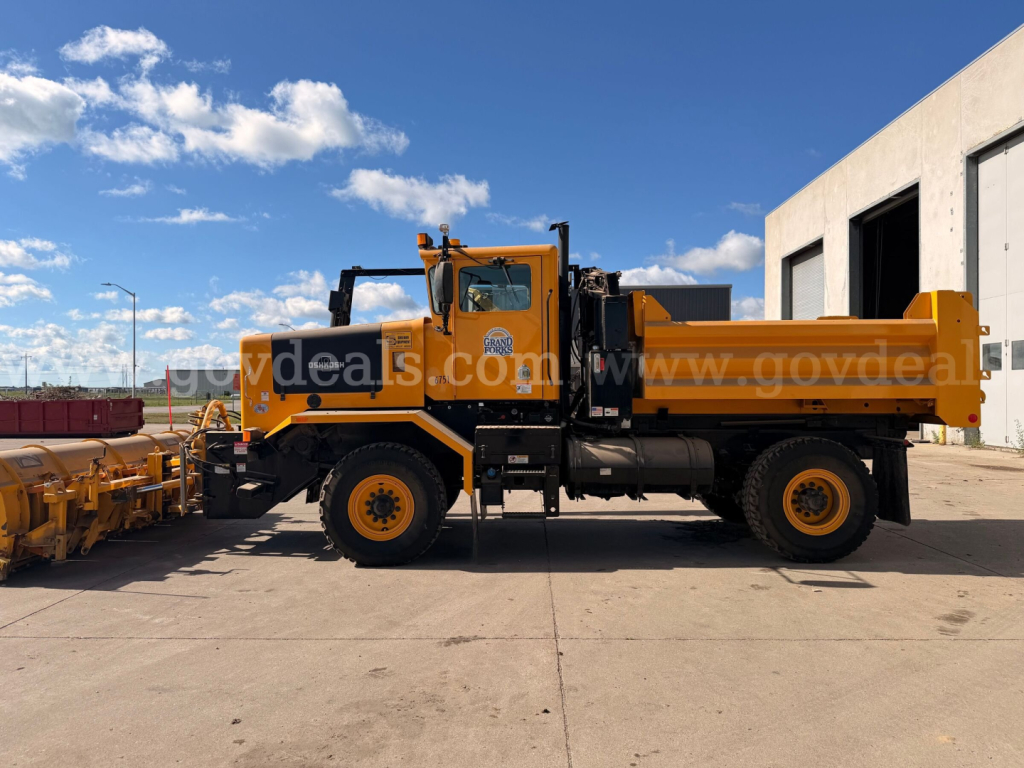
A lot of the buying decision comes down to drivetrain and front-end equipment. Many used Oshkosh plow trucks are equipped with all-wheel-drive or 6x6 configurations, high-capacity front frames, and big diesel engines from Caterpillar, Detroit, or Cummins depending on year and build. Transmission choice matters because some fleets prefer automatics for stop-and-go urban plowing, while others still run heavy-duty manuals or automated setups in regional snow operations. Check the hydraulic package closely, including pump condition, control setup, valve response, and whether the truck is plumbed for a front plow only or for wing and underbody equipment as well. Spreader body material, chain conveyor wear, spinner function, and liquid de-icing components also affect long-term value.
Oshkosh plow trucks are often found in airport and municipal surplus channels, so condition can vary from well-maintained fleet units with detailed service histories to older trucks that have seen hard seasonal use and long idle periods. Rust deserves close attention, especially around the cab mounts, frame, hopper, crossmembers, hydraulic lines, and plow attachment points. Buyers should also inspect steering components, transfer case operation, front differential seals, brake system condition, and signs of corrosion caused by salt exposure. On older units, heater performance, electrical integrity, warning light operation, and cab control functionality are just as important as engine hours or odometer mileage because winter-service reliability depends on every support system working in low-temperature conditions.
For many operations, the appeal of a used Oshkosh plow truck is simple: these trucks are built to push snow, carry material, and stay stable under heavy front-mounted loads. They are also known as snow plow trucks, sander trucks, or combination plow-spreader trucks when equipped for multi-function winter maintenance. A buyer comparing listings should pay attention to plow width, spreader capacity, axle ratings, wheelbase, turning radius, and whether the setup fits urban streets, state routes, mountain passes, or airfield work. The right truck is less about model year alone and more about matching the chassis, hydraulics, and snow equipment package to the route, snowfall volume, and service intensity the truck will face.
Frequently Asked Questions
What should I inspect first on a used Oshkosh plow truck?
Start with the frame, front push structure, hydraulics, and corrosion areas. An Oshkosh plow truck carries significant front-end stress, so buyers should inspect plow mounts, frame rails, steering linkage, front suspension components, and attachment points for cracks, repairs, or excessive wear. Salt exposure also makes rust a major issue on the cab structure, hopper, spreader components, wiring, and hydraulic lines. After that, verify drivetrain engagement, PTO or hydraulic pump operation, and the condition of the plow and spreader controls inside the cab.
Are Oshkosh plow trucks good for municipal and airport snow removal?
Yes. Oshkosh plow trucks are widely used in municipal, county, DOT, and airport applications because they are built for severe-duty winter maintenance. Their heavy chassis, strong front axle ratings, and common availability in all-wheel-drive or 6x6 configurations make them well-suited for pushing large plows, running wings, and carrying spreader bodies. Airport buyers often look for specialized setups with scraper or broom support, while municipal buyers may focus more on maneuverability, spreader capacity, and reliable stop-and-go operation.
What drivetrain setups are common on used Oshkosh plow trucks?
Many used Oshkosh plow trucks are configured as all-wheel-drive, 4x4, or 6x6 units depending on the model and intended application. Severe-duty winter service often requires better traction than a standard rear-drive truck can deliver, especially on grades, unplowed roads, and airfield surfaces. Buyers should confirm transfer case function, axle engagement, differential condition, and tire match across positions, since these systems are central to snow performance and can be expensive to repair if neglected.
Do older Oshkosh plow trucks still make sense for seasonal fleets?
They can, if the truck has been maintained correctly and the major systems are sound. Many older Oshkosh units were built with very robust components and can still provide good seasonal value for secondary routes, backup service, or lower-hour snow operations. The key is to evaluate structural rust, parts availability, hydraulic condition, and cab system reliability rather than judging the truck by age alone. A well-kept older unit can outperform a newer truck with corrosion, neglected hydraulics, or drivetrain issues.
How do I choose the right used Oshkosh plow truck for my route?
Match the truck to the route based on snow volume, road width, terrain, and equipment needs. Urban routes may benefit from a shorter wheelbase and tighter turning radius, while highways and airfields often call for larger plows, wing capability, and greater spreader capacity. Buyers should compare axle ratings, plow width, hopper size, hydraulic functions, and traction setup to the actual workload. The best fit is a truck whose chassis and snow equipment package are sized for the route without being underbuilt or unnecessarily oversized.