
Used Kenworth Conventional Daycab Trucks For Sale in Ohio
Browse used Kenworth conventional daycab trucks in Ohio, including T-270 and T-680 models for local delivery, regional hauling, and fleet work.
Learn moreNo exact matches found for your search
Showing Used Conventional Daycab Trucks in Ohio instead.
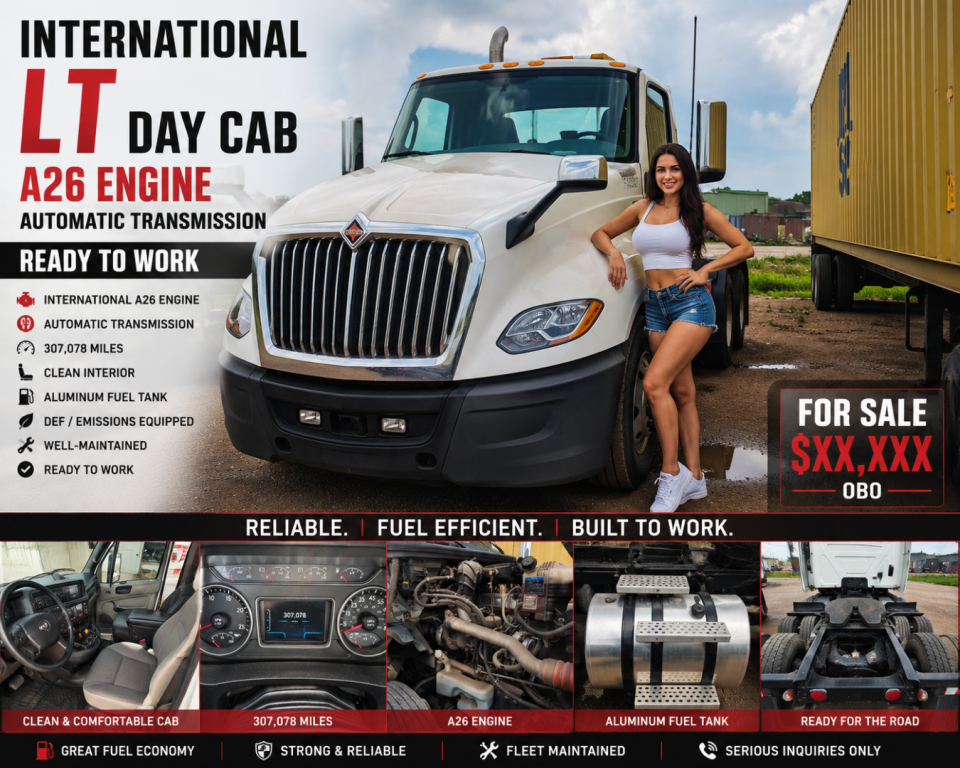
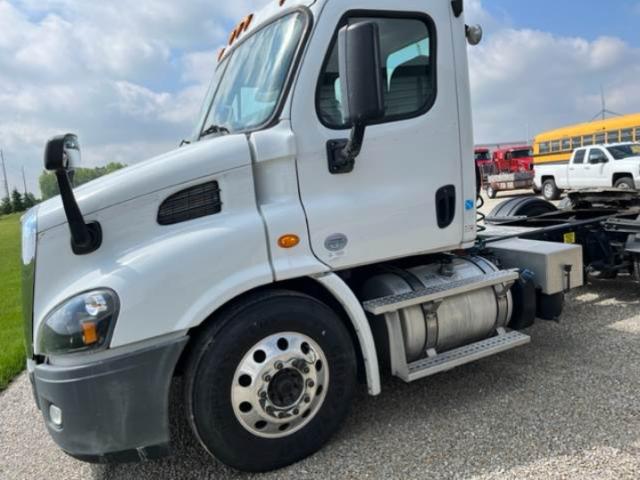
Have used kenworth conventional daycab truck to sell? List it here to reach thousands of buyers.
About Used Kenworth Conventional Daycab Trucks in Ohio
The first decision is usually application and weight class. A Kenworth T-270 is common in pickup and delivery, municipal, and box truck service, often set up with a van body, liftgate, and single rear axle. These trucks are frequently spec'd with PACCAR PX-6 or PX-7 engines, Allison automatics or other automatic transmissions, spring suspension, and GVWR ratings around the non-CDL and CDL threshold depending on configuration. A T-680 daycab is a different tool entirely. It is a highway conventional tractor commonly spec'd with a PACCAR MX-13, automated transmission, tandem rear axles, air ride suspension, air slide fifth wheel, and aerodynamic equipment such as fairings and cab extenders. Buyers comparing the two should focus less on model year alone and more on axle rating, wheelbase, body or fifth-wheel setup, rear ratio, and intended route profile.
For Ohio operations, maneuverability, corrosion exposure, and stop-and-go drivability should be part of the buying decision. Daycabs working around Columbus, Cleveland, Cincinnati, Toledo, and industrial corridors often spend time in tight docks, mixed urban traffic, and winter road conditions. A shorter wheelbase helps in city work and yard access, while a longer wheelbase may be tied to body length or ride quality. Rear axle ratios like 5.29 are common on medium-duty delivery specs where launch and low-speed control matter more than highway cruise speed. Ratios in the mid-2s are more typical on late-model highway daycab tractors built for fuel economy. Aluminum fuel tanks, disc wheels, air conditioning, engine brakes, and power steering are common features, but brake type, suspension design, and tire size still deserve a close look because they affect maintenance cost and operating feel.
On a used Kenworth conventional daycab, buyers should pay close attention to how the truck was spec'd and how it was used. A straight truck with a 26-foot van body should be evaluated as a complete package, including floor condition, scuff liners or scuff plate, E-track, roll-up door, liftgate operation, and body length relative to wheelbase and axle placement. A road tractor should be checked for fifth-wheel wear, frame condition, suspension bushing life, brake history, and any signs of heavy yard or slip-seat use. Engine family, transmission calibration, and emissions system history are especially important on newer used trucks. The value in a Kenworth daycab is usually in matching the truck's original specification to the work it will do next, not in buying the highest horsepower or newest badge.
Frequently Asked Questions
What is the difference between a Kenworth T-270 daycab and a Kenworth T-680 daycab?
The T-270 is generally a medium-duty conventional used for straight truck applications such as box trucks, delivery bodies, and municipal work. It is commonly found with single rear axles, lower GVWRs, shorter regional routes, and automatic transmissions suited to stop-and-go service. The T-680 daycab is a Class 8 highway tractor built for heavier trailer pulling, higher gross combination weights, tandem axles, and more sustained road speed. The right choice depends on whether the truck will carry its load on the chassis or pull it on a trailer.
Are used Kenworth daycab trucks good for local and regional hauling in Ohio?
Yes. Kenworth daycabs are a strong fit for Ohio lanes because they combine good visibility, serviceable hood-forward design, and driver-friendly cab layouts with configurations that work in both urban delivery and short regional freight. Medium-duty specs handle pickup and delivery well, while highway tractors like the T-680 are well suited for port drayage, dedicated regional runs, and warehouse-to-warehouse freight. Buyers should match wheelbase, axle ratio, and suspension to the route density and average payload.
What specs matter most when buying a used conventional daycab truck?
The most important specs are the truck's weight class, axle ratings, wheelbase, engine rating, transmission type, rear axle ratio, suspension, and brake setup. On straight trucks, body length, liftgate capacity, floor condition, and cargo control equipment are just as important as the chassis. On tractors, fifth-wheel type, tandem capacity, and aerodynamic equipment can significantly affect productivity and fuel use. These details matter more than appearance because they determine if the truck will actually fit the work.
Is an automatic transmission a good choice in a used Kenworth daycab?
For many fleets, yes. Automatic and automated transmissions are common in daycab service because they reduce driver fatigue, improve consistency in stop-and-go traffic, and simplify hiring across mixed driver experience levels. In delivery and city work, an Allison automatic is especially common because of its smooth launch and ease of use. In highway tractors, automated manuals are popular for fuel economy and driver acceptance. The key is to verify service history, clutch or calibration condition where applicable, and how the transmission was paired with the engine and axle ratio.
What should I inspect on a used Kenworth straight truck with a van body?
Inspect both the truck and the body as one operating unit. On the chassis side, review engine and transmission history, front and rear axle ratings, suspension wear, brake condition, steering play, and tire wear patterns. On the body side, check the roof, floor, door tracks, seals, threshold plate, scuff protection, E-track, and liftgate if equipped. Water intrusion, floor rot, body damage, and poor cargo area repairs can turn an otherwise sound truck into an expensive ownership problem.