
Used International Conventional Daycab Trucks For Sale in Missouri
Browse used International conventional daycab trucks in Missouri. Compare specs, engines, wheelbases, axles, and regional hauling applications.
Learn more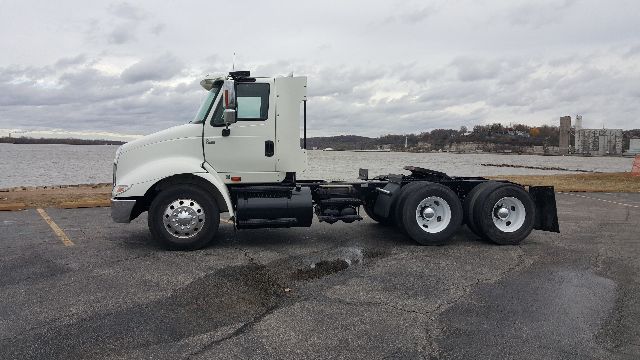
Have used international conventional daycab truck to sell? List it here to reach thousands of buyers.
About Used International Conventional Daycab Trucks in Missouri
The first buying decision is usually the operating profile. For shorter regional lanes and city-to-city freight, buyers often compare wheelbase, front axle rating, rear axle ratio, and fifth wheel position to make sure the truck will turn well and still carry the right bridge and weight distribution. Common powertrain combinations on used International daycabs include Cummins and International diesel engines paired with Eaton Fuller manual transmissions, auto-shift transmissions, or full automatics depending on the age and original application. Horsepower can vary widely, but many used units are spec'd in ranges suitable for dry van, flatbed, tanker, and bulk work. Pay attention to suspension type, fuel capacity, and tire size if the truck will split time between urban yards and longer Missouri highway runs.
International conventional daycab models can include highway-oriented platforms such as the 8600 and similar configurations built for tractor duty. On older used trucks, buyers should closely review emissions system history, engine hours, mileage, clutch life, driveline condition, and any signs of frame modification or corrosion. A clean daycab with a sound cooling system, solid steering components, and a well-matched rear ratio can be more important than chasing the highest horsepower number. Cab condition also matters more than many buyers expect. Driver entry, seat wear, HVAC performance, dash function, and visibility all affect daily productivity on stop-and-go routes.
For Missouri operations, it also makes sense to check how the truck was previously used. A fleet-maintained regional tractor may show higher miles but better service records, while a lower-mile unit may still need age-related work on hoses, seals, brakes, and suspension components. Look at DOT readiness items such as tires, lights, air system performance, brake stroke, and fifth wheel condition. If the truck will be assigned to dedicated trailer types, confirm the kingpin setting, ride height compatibility, and PTO needs before purchase. A used International conventional daycab can be a cost-effective way to add dependable tractor capacity when the spec matches the route, trailer, and maintenance plan.
Frequently Asked Questions
What is an International conventional daycab truck best used for?
An International conventional daycab truck is best suited for regional haul, local freight, dedicated lanes, container drayage, and vocational tractor work where overnight sleeper space is not required. The daycab layout reduces overall weight and length, which can improve maneuverability, payload flexibility, and ease of operation in tighter yards and urban delivery environments.
What should I check first on a used International daycab?
Start with the powertrain and chassis match for the job. Review engine make, horsepower, transmission type, rear axle ratio, wheelbase, axle ratings, and fifth wheel setup. On the condition side, inspect service records, mileage, engine hours, emissions history, brake condition, suspension wear, steering play, tire condition, and any evidence of frame repairs or corrosion. A used truck that is correctly spec'd is usually a better buy than one with attractive miles but the wrong drivetrain.
Are International daycabs common with Cummins engines and manual transmissions?
Yes. Many used International conventional daycabs were ordered with Cummins diesel engines and Eaton Fuller manual transmissions, especially in regional and fleet applications. Depending on model year and original customer spec, you may also see International-branded engines, automated manuals, and automatic transmissions. The best choice depends on driver preference, terrain, maintenance capability, and trailer weight.
How important are wheelbase and rear axle ratio on a daycab tractor?
They are critical because they directly affect maneuverability, highway cruising speed, startability, and trailer compatibility. A shorter wheelbase can help in tight terminals and city work, while the rear axle ratio influences how the truck pulls under load and where the engine runs at road speed. Buyers should match wheelbase and gearing to route length, average payload, terrain, and the type of trailer being hauled.
What matters most for a used daycab operating in Missouri?
Missouri buyers often need a truck that can handle both urban and interstate use, so durability and balanced spec choices matter. Strong cooling performance, dependable air conditioning, good brakes, proper tire spec, and a drivetrain geared for mixed-speed operation are all important. It is also smart to confirm the truck can pass inspection, has solid parts support, and is set up correctly for the trailers and freight it will pull.