
Used Freightliner Trucks For Sale
Used Freightliner trucks, from Cascadia to M2, emphasize low tare weight, strong floors, solid thermal integrity, and corrosion resistance for uptime.
Learn moreBrowse Freightliner Trucks by Category
482 Listings
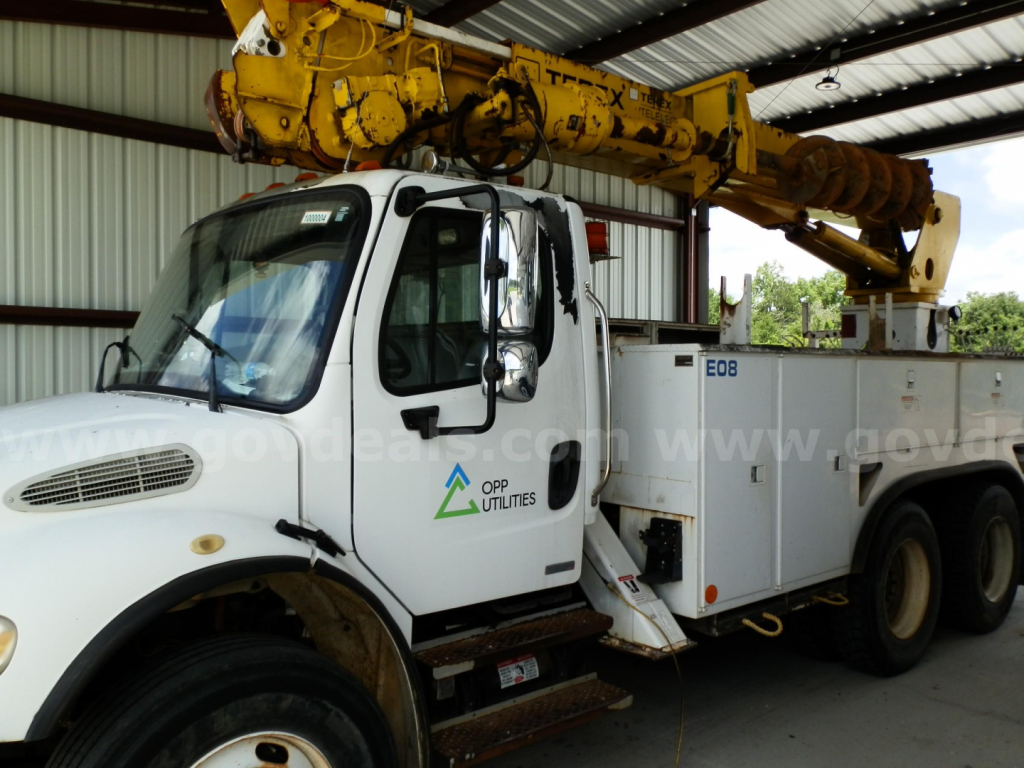
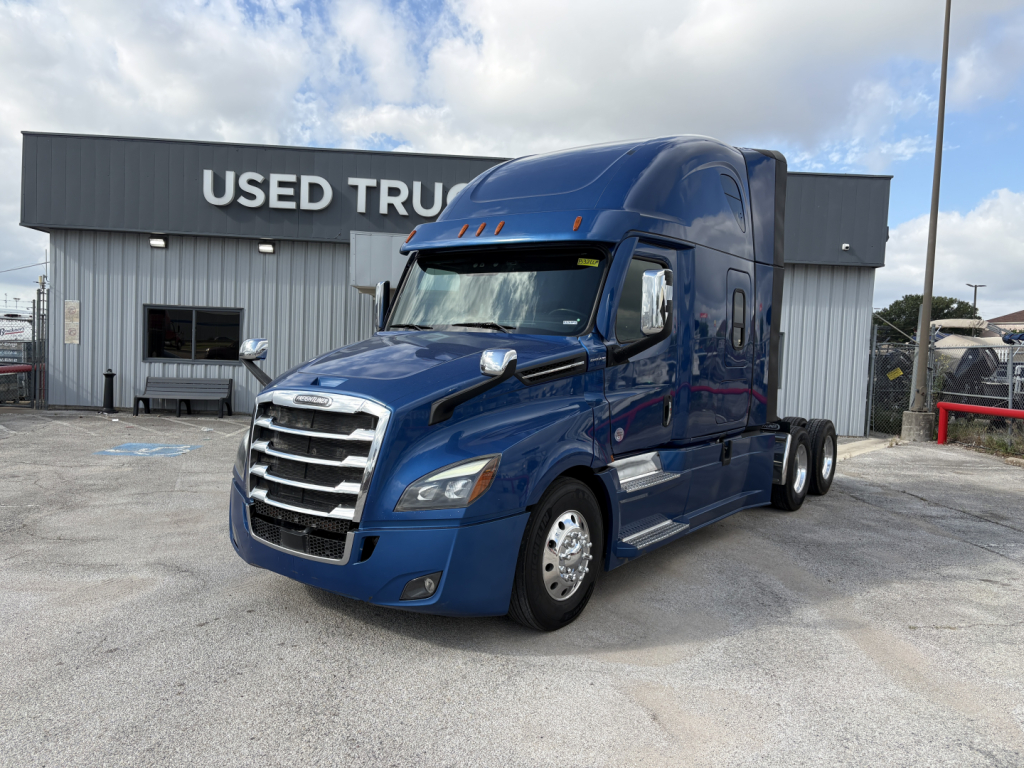
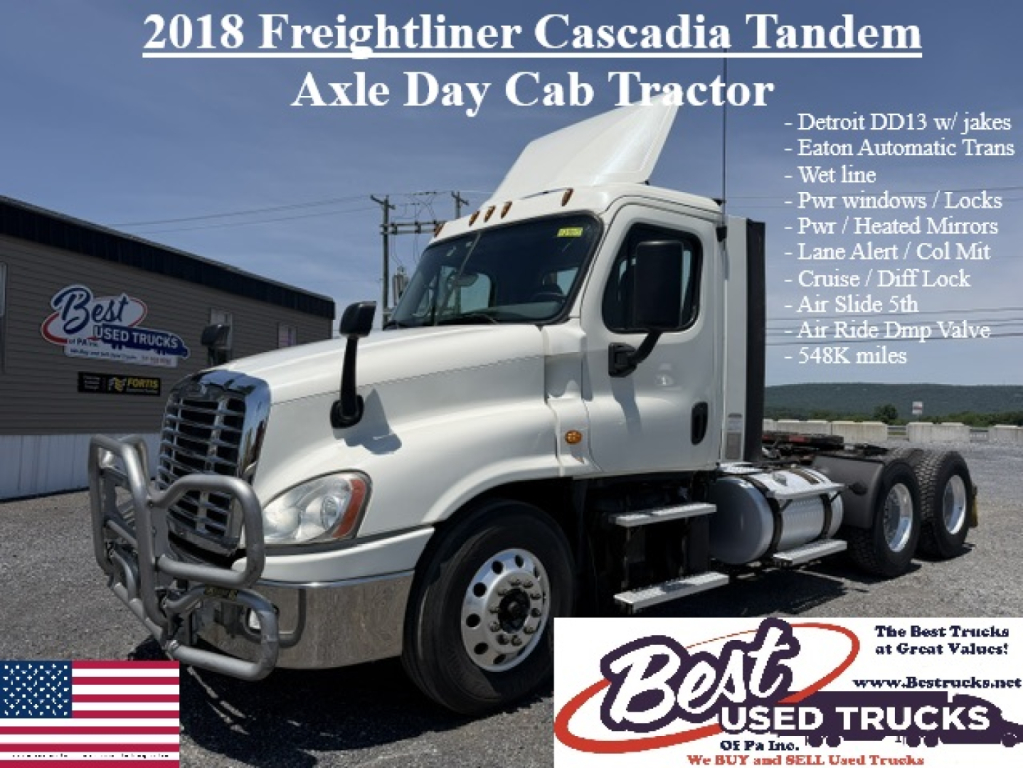
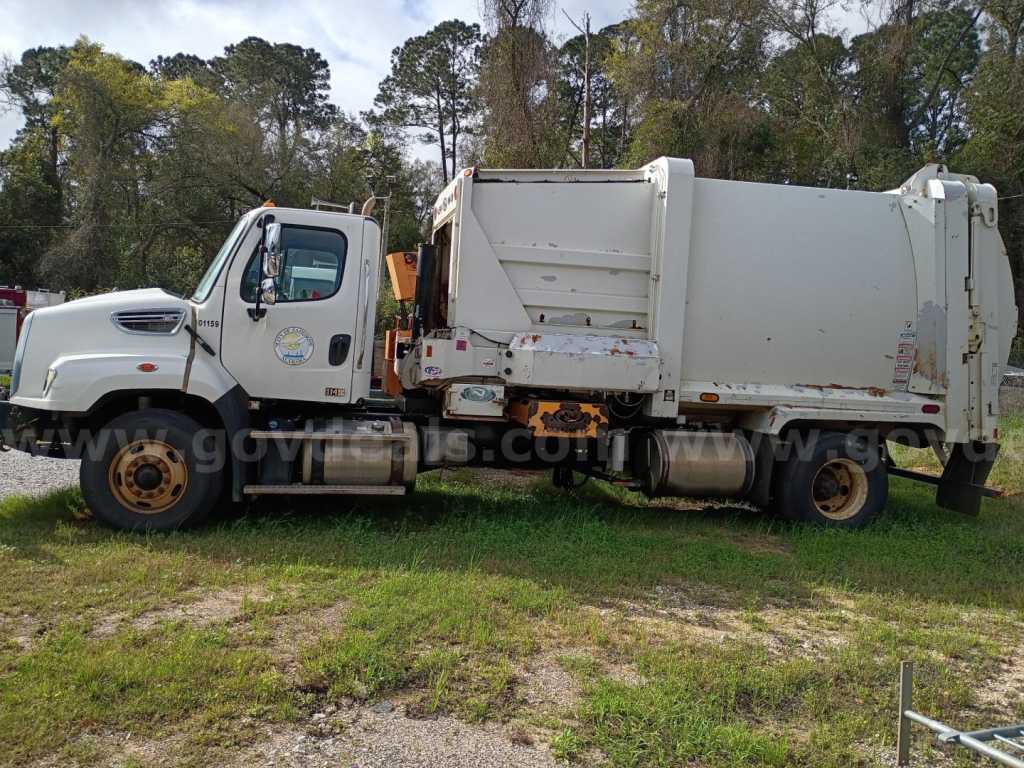
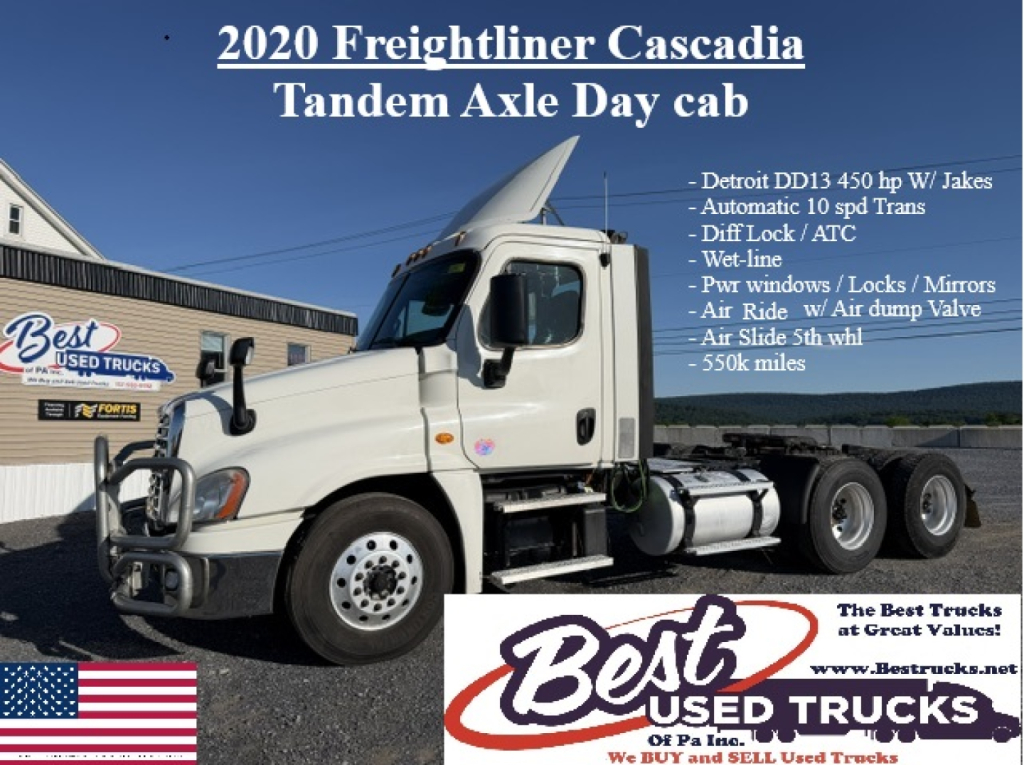
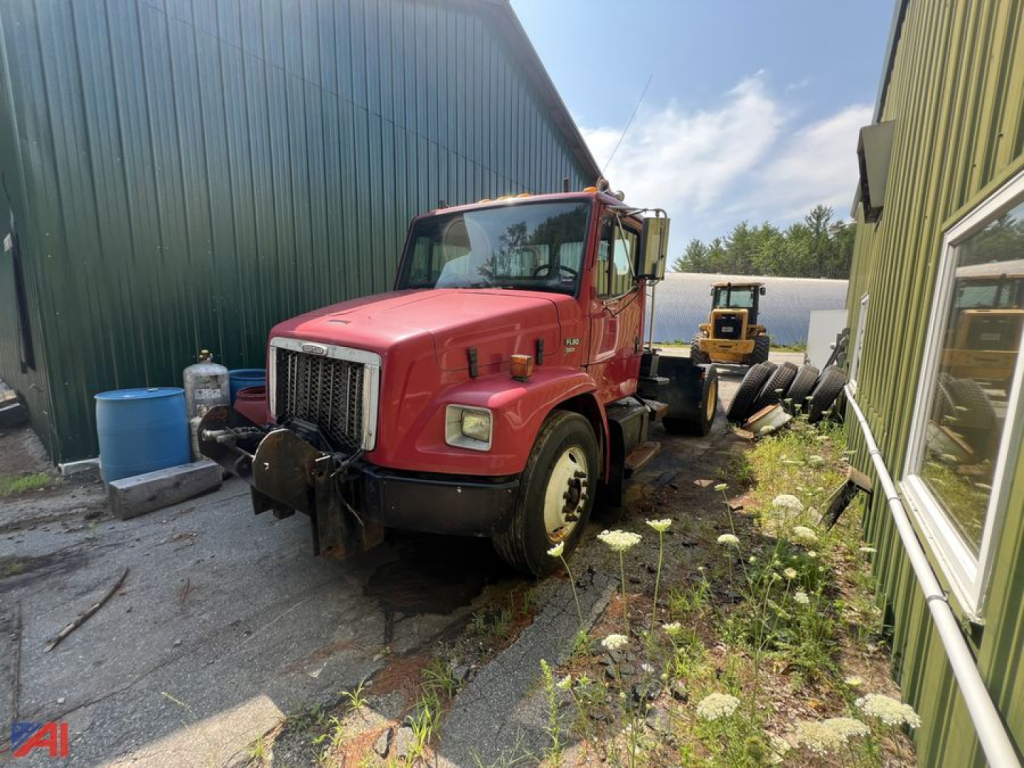
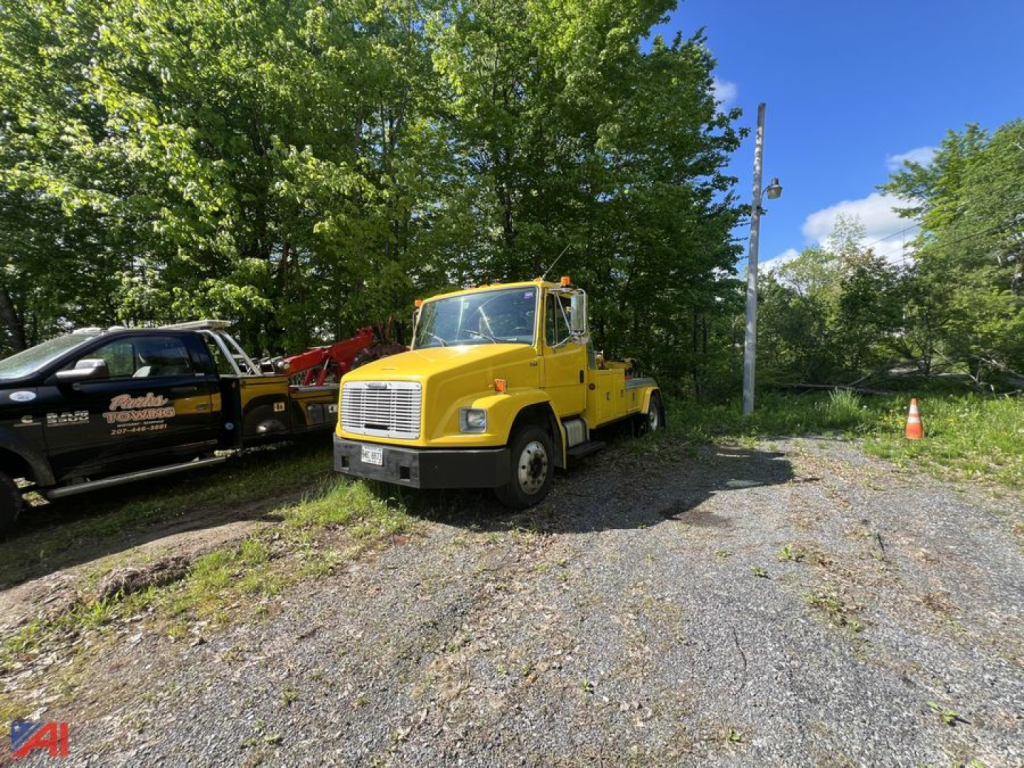
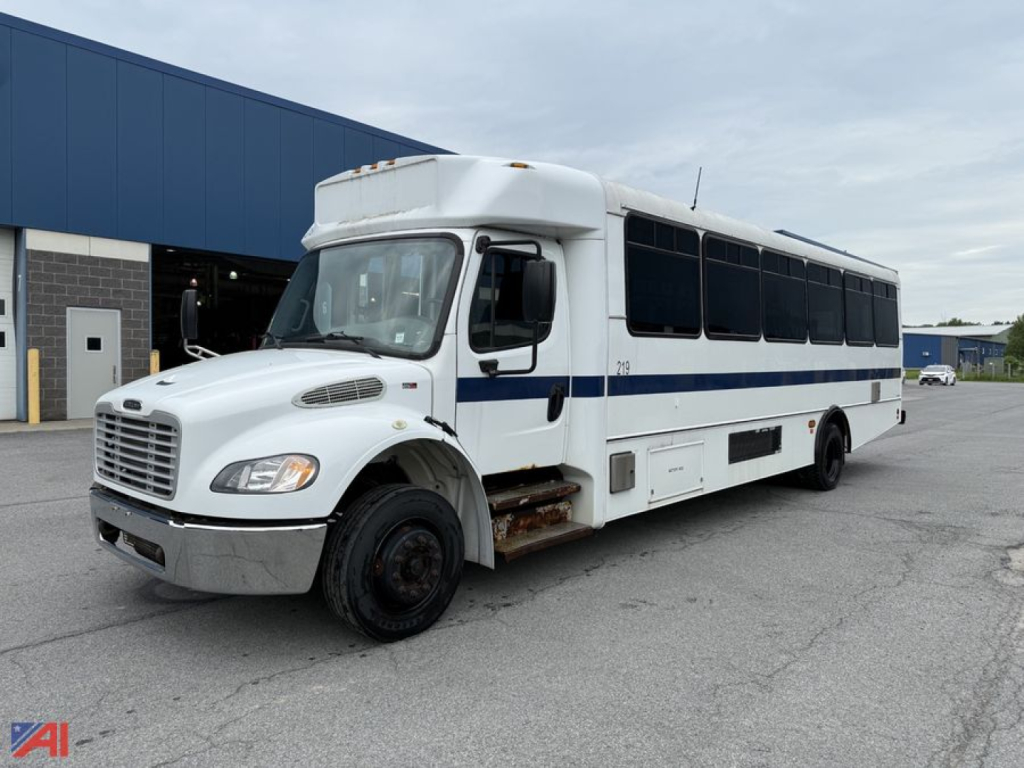
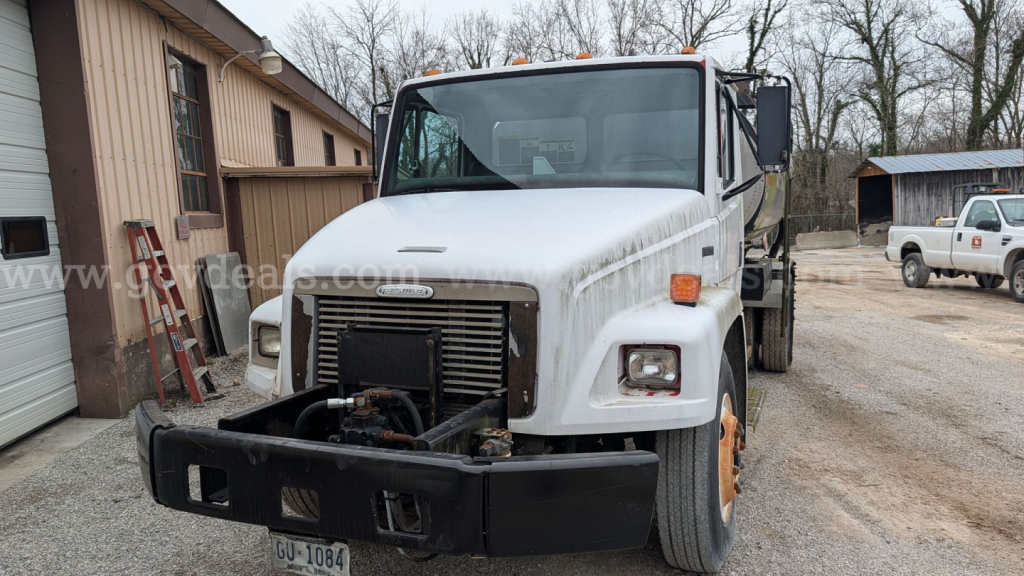
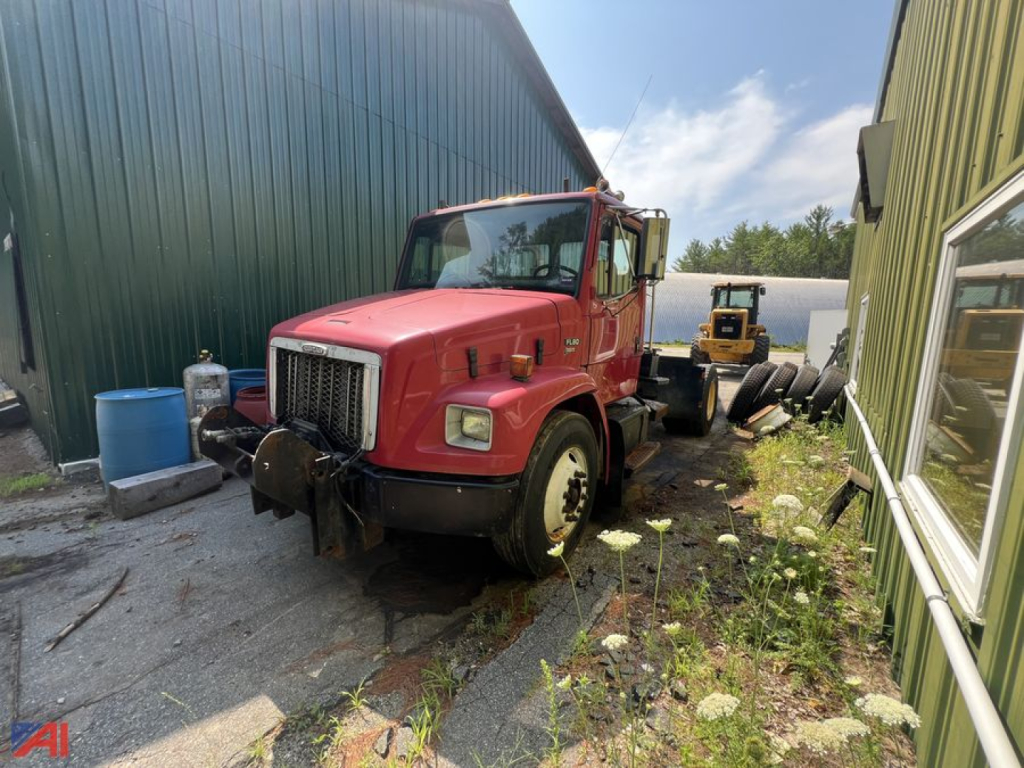
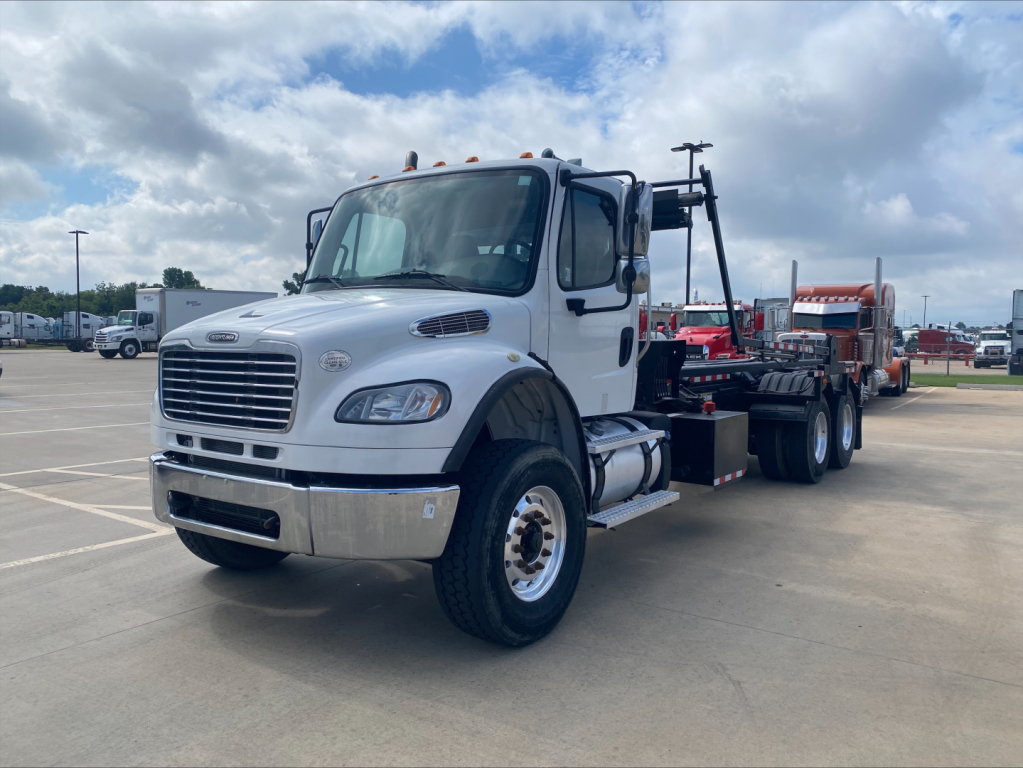
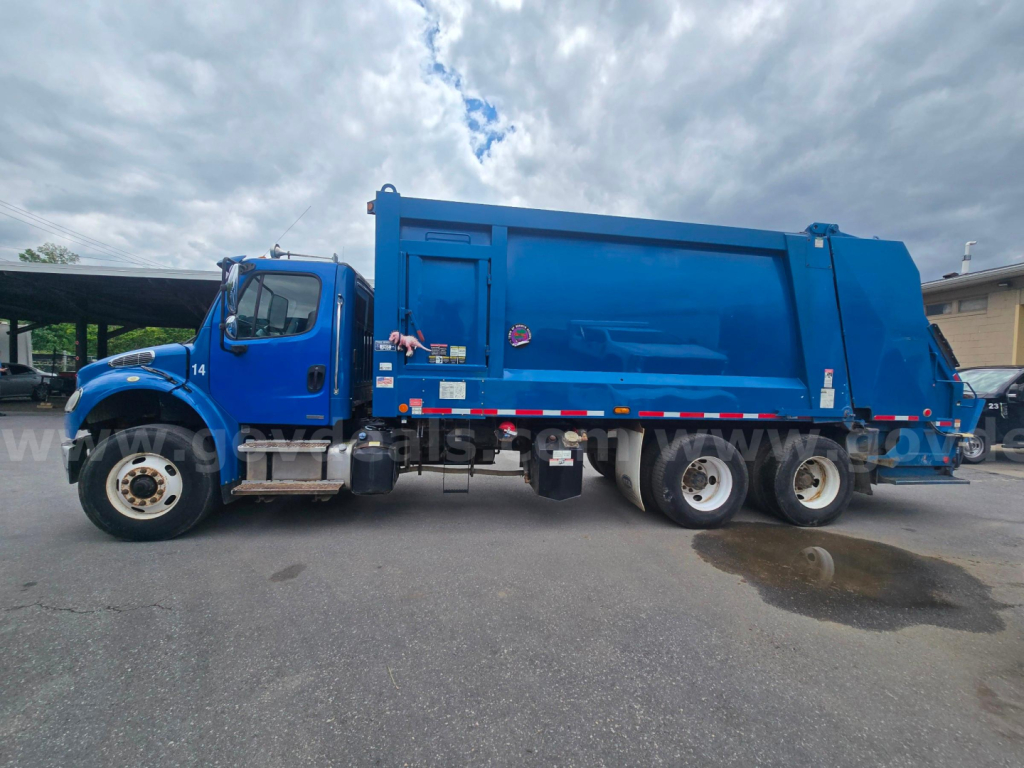
Showing 1 to 12 of 482 results
Have used freightliner truck to sell? List it here to reach thousands of buyers.
About Used Freightliner Trucks
Used Freightliner trucks for sale cover long haul sleepers, efficient day cabs, medium duty box trucks, and severe duty chassis. Freightliner’s cab structure uses aluminum with composite panels, the frames are e-coated, and fairings are designed to cut drag and protect components, which helps fuel economy and slows corrosion in real fleet duty. Powertrains typically center on Detroit DD13 and DD15 with the DT12 automated manual, or Cummins with Eaton, so parts and diagnostics are widely available. Match rear axle ratios and transmission type to your lane speed to protect fuel burn and driveline longevity, for example tall 2.28 to 2.64 ratios with direct drive at highway cruise, or shorter ratios for mixed urban grades.
Tare weight drives payload and operating cost. A Cascadia or M2 can shed meaningful pounds with aluminum wheels, disc brakes, 6x2 where traction needs allow, single fuel tank layouts, and lightweight fifth wheels; each choice can trim 50 to 400 pounds, together often 500 to 1,000 pounds without weakening the spec. Balance that with durability, for example 40K rears and full locking diffs for heavy vocational work add weight but prevent downtime. Verify actual scale tickets when available and compare wheelbase, sleeper size, and fairing packages, since those change curb weight and aero drag. APUs, bunk heaters, and battery HVAC add weight, but they protect engines from idle hours and improve thermal stability in the cab, which reduces aftertreatment load and maintenance.
Floor strength matters on straight trucks and vocational bodies. For M2 box and reefer trucks, look for laminated hardwood floors 1.25 to 1.5 inches, crossmember spacing at 12 inches or tighter for forklift traffic, and properly tied-in rear thresholds and liftgate plates. Scuff liners at 12 to 24 inches in UHMW or aluminum prevent wall damage that telegraphs into the floor, and logistics posts or F-tracks distribute point loads. Reefers benefit from high-density foam insulation with continuous thermal breaks at posts and sills, flat sidewalls that hold insulation integrity, and door seals that are still compliant; poor thermal integrity shows up as rapid box temperature recovery times and high unit hours. On sleeper tractors, cab insulation quality, tight door and bunk seals, and the condition of the HVAC blend doors and evaporators dictate thermal integrity that keeps drivers rested and reduces idle fuel.
Corrosion resistance varies with duty cycle and geography. Freightliner cabs resist rot well, but inspect frame flanges, crossmembers, spring hangers, fifth wheel sliders, DEF tank brackets, battery boxes, air tanks, and fairing mounts for scaling, pitting, and galvanic corrosion between steel brackets and aluminum panels. Look for intact frame paint or e-coat, sealed wiring at bulkheads, and stainless or galvanized hardware on body mounts. Salt belt exposure demands extra scrutiny around rear axles, brake backing plates, and ABS sensors. A clean cooling package, tight charge air cooler, and healthy aftertreatment keep exhaust temps and moisture in check, which also limits corrosion over time. Spec to the route, then weigh tare, floor strength, thermal integrity, and corrosion protection as the core value drivers of a used Freightliner truck.
Tare weight drives payload and operating cost. A Cascadia or M2 can shed meaningful pounds with aluminum wheels, disc brakes, 6x2 where traction needs allow, single fuel tank layouts, and lightweight fifth wheels; each choice can trim 50 to 400 pounds, together often 500 to 1,000 pounds without weakening the spec. Balance that with durability, for example 40K rears and full locking diffs for heavy vocational work add weight but prevent downtime. Verify actual scale tickets when available and compare wheelbase, sleeper size, and fairing packages, since those change curb weight and aero drag. APUs, bunk heaters, and battery HVAC add weight, but they protect engines from idle hours and improve thermal stability in the cab, which reduces aftertreatment load and maintenance.
Floor strength matters on straight trucks and vocational bodies. For M2 box and reefer trucks, look for laminated hardwood floors 1.25 to 1.5 inches, crossmember spacing at 12 inches or tighter for forklift traffic, and properly tied-in rear thresholds and liftgate plates. Scuff liners at 12 to 24 inches in UHMW or aluminum prevent wall damage that telegraphs into the floor, and logistics posts or F-tracks distribute point loads. Reefers benefit from high-density foam insulation with continuous thermal breaks at posts and sills, flat sidewalls that hold insulation integrity, and door seals that are still compliant; poor thermal integrity shows up as rapid box temperature recovery times and high unit hours. On sleeper tractors, cab insulation quality, tight door and bunk seals, and the condition of the HVAC blend doors and evaporators dictate thermal integrity that keeps drivers rested and reduces idle fuel.
Corrosion resistance varies with duty cycle and geography. Freightliner cabs resist rot well, but inspect frame flanges, crossmembers, spring hangers, fifth wheel sliders, DEF tank brackets, battery boxes, air tanks, and fairing mounts for scaling, pitting, and galvanic corrosion between steel brackets and aluminum panels. Look for intact frame paint or e-coat, sealed wiring at bulkheads, and stainless or galvanized hardware on body mounts. Salt belt exposure demands extra scrutiny around rear axles, brake backing plates, and ABS sensors. A clean cooling package, tight charge air cooler, and healthy aftertreatment keep exhaust temps and moisture in check, which also limits corrosion over time. Spec to the route, then weigh tare, floor strength, thermal integrity, and corrosion protection as the core value drivers of a used Freightliner truck.