
Used Freightliner Box Trucks For Sale in New Jersey
Used Freightliner box trucks for sale in New Jersey, including M2 models with 26-28 ft bodies, liftgates, diesel power, and delivery-ready specs.
Learn more
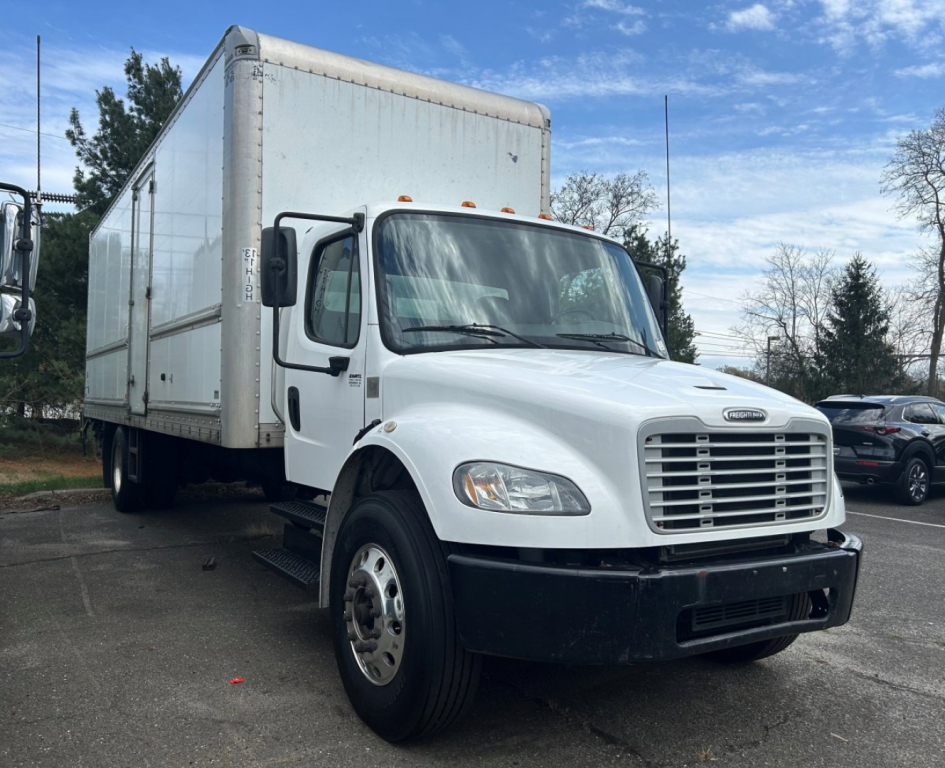
Have used freightliner box truck to sell? List it here to reach thousands of buyers.
About Used Freightliner Box Trucks in New Jersey
Body length is one of the first decisions to make. Many used Freightliner box trucks in this category carry 26-foot to 28-foot van bodies, often paired with a rear liftgate and a curb-side door. That setup is common for route delivery where hand unloads, palletized freight, or mixed-stop service are part of the job. A 3,000-lb liftgate is a common spec, but buyers should also look closely at door opening height, body interior height, floor condition, and the presence of scuff liners if the truck has seen heavy cart or pallet traffic. If dock loading is routine, check rear frame height and how well the body matches your warehouse setup.
On the chassis side, Freightliner box trucks in this range are frequently equipped with Cummins B6.7 diesel engines, air brakes, and automatic transmissions. That combination is popular because it is familiar to many fleet shops and drivers, and it fits medium-duty delivery work well. Air ride suspension can be a plus for ride quality and cargo protection, especially on rougher local routes. Buyers comparing used units should pay attention to GVWR, front and rear axle ratings, wheelbase, fuel tank size, and brake type, since those details affect payload, turning radius, and operating cost more than the badge on the hood.
For a used box truck, condition matters as much as spec. Look for signs of body leak history, roll-up door wear, liftgate maintenance records, uneven tire wear, and any active dash warning lights. On Freightliner M2 platforms, cab ergonomics, parts access, and vocational durability are strong points, but the best truck for the job still comes down to route profile and cargo type. A New Jersey buyer running dense metro deliveries may prioritize shorter wheelbase maneuverability, while longer suburban or shore-area routes may benefit from larger body capacity and fuel range. The right used Freightliner box truck is the one that matches stop frequency, freight handling method, and legal payload without adding unnecessary chassis or body weight.
Frequently Asked Questions
What are the most common Freightliner box truck models in this category?
The Freightliner M2 and M2 106 are among the most common used Freightliner box truck platforms. They are widely used in medium-duty delivery service because they support a broad range of body lengths, diesel engine configurations, liftgate options, and axle ratings. That makes them a practical fit for general freight, final-mile, moving, and route delivery applications.
What box length is most common on a used Freightliner box truck?
A 26-foot box is one of the most common configurations, though 28-foot bodies also appear in this category. The right length depends on freight density, stop frequency, and where the truck operates. A longer body adds cube, but it can also reduce maneuverability in tight city streets, older industrial areas, and crowded loading zones.
Are liftgates common on used Freightliner box trucks?
Yes. Many used Freightliner box trucks are equipped with rear liftgates, especially trucks used in route delivery, appliance hauling, office moves, and palletized freight service. Buyers should confirm liftgate capacity, platform size, cycle speed, and service history because liftgate condition can directly affect daily productivity and safety.
What engine and transmission setup is typical in a Freightliner box truck?
A common setup is a Cummins B6.7 diesel engine paired with an automatic transmission. This is a well-known medium-duty combination that suits stop-and-go delivery work and regional hauling. It is also important to verify horsepower, torque rating, rear axle ratio, and GVWR because two trucks with the same engine family can perform very differently under load.
What should I inspect first on a used Freightliner box truck?
Start with the body, liftgate, tires, brakes, and any active warning lights. Then review the cargo box floor, roof, side walls, roll-up door, and seals for evidence of water intrusion or heavy wear. On the chassis side, look at service records, suspension condition, brake type, axle ratings, and signs of hard fleet use, since those factors often tell more about future operating cost than mileage alone.