
Used Flatbed Dump Trucks For Sale
Browse used flatbed dump trucks built for hauling material, equipment, and palletized loads with the versatility of a dump body and flat deck.
Learn more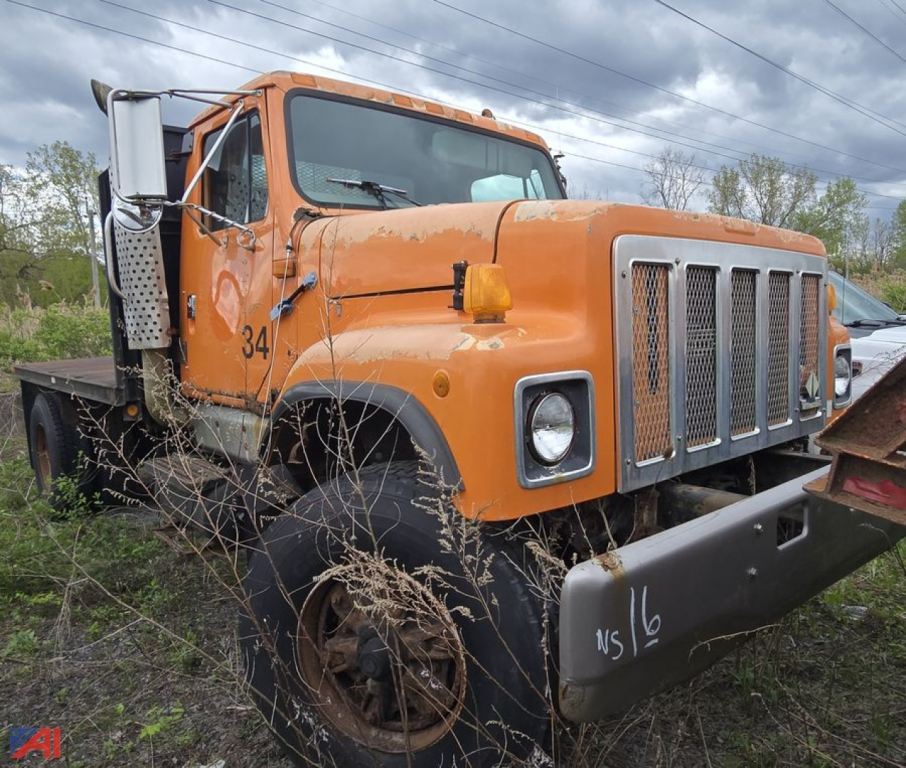
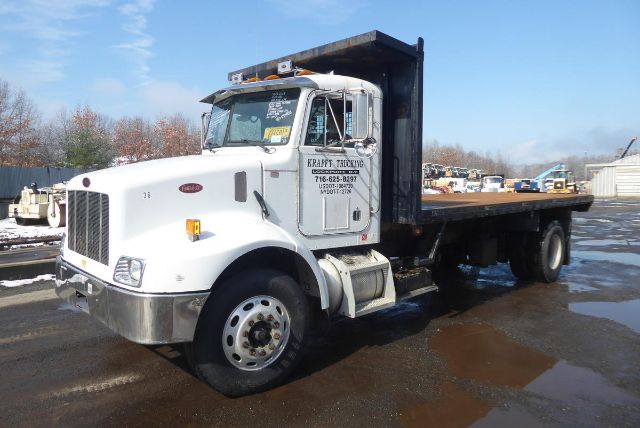
Have used flatbed dump truck to sell? List it here to reach thousands of buyers.
About Used Flatbed Dump Trucks
Body design matters more here than on many other vocational trucks. Buyers should look closely at bed length, deck height, floor material, side configuration, and hoist type. Steel floors hold up better to aggregate, demolition debris, and repeated loading, while stake sides or removable sides can expand the truck’s range of use. Scissor hoists are common on flatbed dump setups and are valued for stability and straightforward lifting geometry, though telescopic cylinder designs are also seen. A wet line, PTO, hydraulic pump, and control valve setup should be inspected as a complete system, especially on used units where leaks, slow lift cycles, or uneven bed travel can signal upcoming repair costs.
Chassis specs usually fall into medium-duty and lighter heavy-duty ranges, with many used flatbed dump trucks built as single-axle configurations around Class 7 or Class 8 GVWRs. Common considerations include wheelbase, cab-to-axle, rear axle rating, suspension type, and gear ratio, since those directly affect body fit, payload, maneuverability, and jobsite performance. Lower gearing can help in stop-and-go work and off-pavement conditions, while air brakes, double frames, and vocational transmissions are strong advantages for tougher service. Buyers comparing listings should also account for tire size, brake condition, hoist capacity, and whether the truck has tiedowns, ratchets, a headache rack, or other body equipment that supports secure transport.
Condition evaluation on a used flatbed dump truck should focus on both hauling wear and hydraulic wear. Check the frame for cracks or previous repairs, inspect the bed crossmembers and hinge points, and confirm the hoist lifts smoothly under load. Deck straightness, floor thickness, and signs of concentrated impact near the rear pivot area can tell a lot about prior use. Engine hours can be as important as miles on trucks that spent time idling on jobsites. A well-matched flatbed dump truck can replace multiple specialized units in a small fleet, but the best value usually comes from choosing the right hoist design, body dimensions, and axle rating for the actual material and cargo mix the truck will handle.
Frequently Asked Questions
What is a flatbed dump truck used for?
A flatbed dump truck is used for jobs that require both open-deck hauling and dump capability. It can carry palletized materials, pipe, equipment, bundled products, or jobsite supplies on the flatbed, then unload loose material such as gravel, mulch, soil, or debris by raising the body. This makes it popular with contractors, landscapers, utility crews, and municipalities that need one truck to handle different types of work.
What should I inspect first on a used flatbed dump truck?
Start with the hydraulic dump system and the structure of the bed. Inspect the PTO, pump, hoses, control valve, cylinder, hinges, and hoist mounts for leaks, damage, or slow operation. Then check the frame rails, crossmembers, floor, and rear pivot area for cracks, rust, or repairs. On this category, bed condition and hoist condition often matter just as much as engine and transmission condition because both hauling stress and dumping stress affect long-term reliability.
Which hoist type is common on flatbed dump trucks?
Scissor hoists are very common on flatbed dump trucks because they provide stable lifting and fit well under a flat platform body. Some trucks use telescopic or single-cylinder designs, depending on body length and intended payload. The best choice depends on the truck’s body size, load type, and how frequently it will dump. On a used truck, smooth lift action and solid mounting points are more important than hoist style alone.
How do I choose the right flatbed dump truck size?
Match the truck to the material density, typical load dimensions, and jobsite access you expect. Bed length, cab-to-axle, wheelbase, GVWR, rear axle rating, and deck height all affect payload and usability. A shorter single-axle truck may be better in tight urban or residential work, while a longer body can improve versatility for pallets, equipment, or longer materials. Buyers should also factor in local bridge laws, CDL requirements, and whether the truck will spend more time on pavement or uneven jobsites.
Are flatbed dump trucks better than standard dump trucks for some fleets?
For fleets that handle mixed work, a flatbed dump truck can be a more versatile choice than a standard box dump. A traditional dump body is generally better for dedicated bulk material hauling because of its enclosed body design and material containment. A flatbed dump truck is better when side loading by forklift, tiedown flexibility, or occasional equipment transport is part of the job. The tradeoff is that the buyer needs to pay closer attention to deck setup, load securement features, and how the body is configured for loose material.