
Used Dynaweld Trailers For Sale
Shop used Dynaweld trailers, including step deck and flatbed models, with specs on axle setups, deck height, construction, and hauling use.
Learn more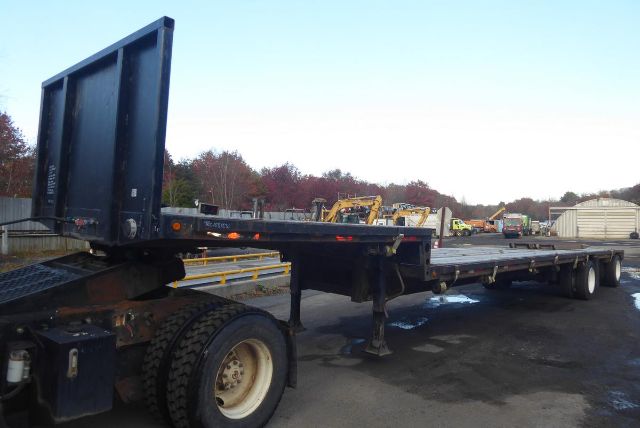
Have used dynaweld trailer to sell? List it here to reach thousands of buyers.
About Used Dynaweld Trailers
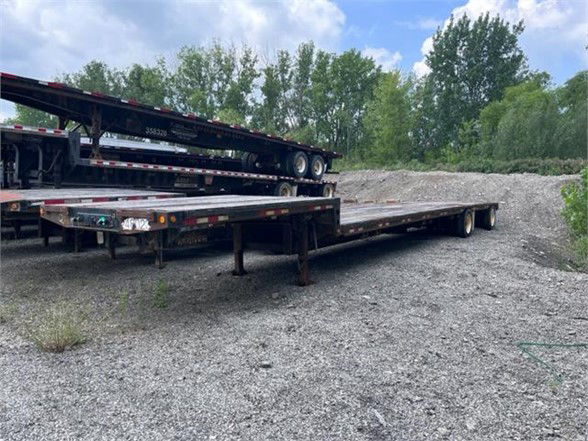
A lot of used Dynaweld trailers are 48-foot by 102-inch units with tandem or spread axle configurations and air ride suspension. Step deck models, also known as drop deck trailers, typically offer an upper deck and a lower main deck that helps with taller freight while staying within legal height. Common details on used trailers in this class include steel main frames, wood floors over steel substructure, fixed or spread tandems, and 22.5 low-profile rubber. Deck height matters on every open-deck trailer purchase, especially on used step decks, so it is worth confirming loaded deck height, neck length, rear transition area, ramp compatibility, and kingpin-to-rear axle measurements if bridge law or state-specific routing is part of the job.
Condition evaluation is especially important on older steel trailers. Look closely at crossmembers, frame rails, suspension hangers, air bag mounts, outriggers, rear bolster area, and any known stress points around the neck and transition. Floor wear, rub rail integrity, stake pocket condition, brake life, and tire match also affect near-term operating cost. On used Dynaweld step decks, buyers should check for repairs around the lower deck, signs of concentrated equipment loading, and any twist or camber issues that can show up after years of heavy service. If ramps, a headache rack, winches, or tie-down gear are included, verify mounting points and working condition rather than assuming they add full value.
For buyers focused on practical freight, a used Dynaweld trailer can be a good fit when the priority is a simple steel platform that can be repaired in the field and kept working in demanding applications. Steel trailers generally weigh more than comparable aluminum designs, but many operators accept that tradeoff for toughness and ease of repair. The right trailer depends on freight mix more than brand alone. A machinery hauler may prioritize lower deck height, ramp setup, and concentrated load capacity, while a general open-deck operator may care more about axle spread, tie-down options, and overall floor condition. A careful review of structural condition and legal dimensions will tell you more than cosmetic appearance on any used Dynaweld trailer.
Frequently Asked Questions
What types of used Dynaweld trailers are most common?
Used Dynaweld trailers most commonly appear as step deck trailers, also called drop decks, along with some flatbed-style open-deck configurations. Many are steel-built 48-foot by 102-inch trailers designed for equipment, construction materials, and freight that benefits from a lower main deck. In the used market, the exact category matters less than the actual deck dimensions, axle setup, and structural condition, since older trailers may have been spec'd for very different kinds of work.
Are Dynaweld trailers typically steel or aluminum?
Most used Dynaweld trailers buyers encounter are steel trailers or steel-dominant combinations with wood floors over steel substructure. Steel construction usually means higher tare weight than an aluminum trailer, but it also tends to appeal to operators who want durability and simpler structural repair options. For heavy-use applications, steel can be a practical choice if the frame, crossmembers, and suspension attachment points are still sound.
What should I inspect first on a used Dynaweld step deck trailer?
Start with the frame rails, crossmembers, neck area, deck transition, suspension mounts, brakes, tires, and floor condition. On a step deck, loaded deck height and the condition of the lower deck are critical because that is where concentrated equipment loads often do the most wear over time. Also confirm axle spread, kingpin setting, and any signs of prior structural repair, because those details affect legal loading, bridge compliance, and long-term serviceability.
What axle and suspension setups are common on used Dynaweld trailers?
Common setups include tandem axles or spread tandems with air ride suspension, often on 22.5-inch wheels and tires. Air ride is preferred in many open-deck applications because it helps protect cargo and improves ride quality, especially for machinery or sensitive freight. Buyers should still inspect equalization, air bags, bushings, torque arms, and brake components carefully, since wear in those systems can turn a lower purchase price into immediate shop expense.
Is a used Dynaweld trailer a good choice for machinery hauling?
It can be, especially if the trailer is a step deck with a lower main deck, solid ramp solution, and a floor and frame rated for concentrated loads. Machinery hauling puts more emphasis on deck height, ramp angle, traction on the deck surface, and structural integrity than general flatbed freight does. The trailer needs to match the machine weight, axle placement, and loading method, so buyers should verify dimensions and condition against their actual equipment rather than relying only on the trailer's age or brand.