
Used Cabover Trucks For Sale
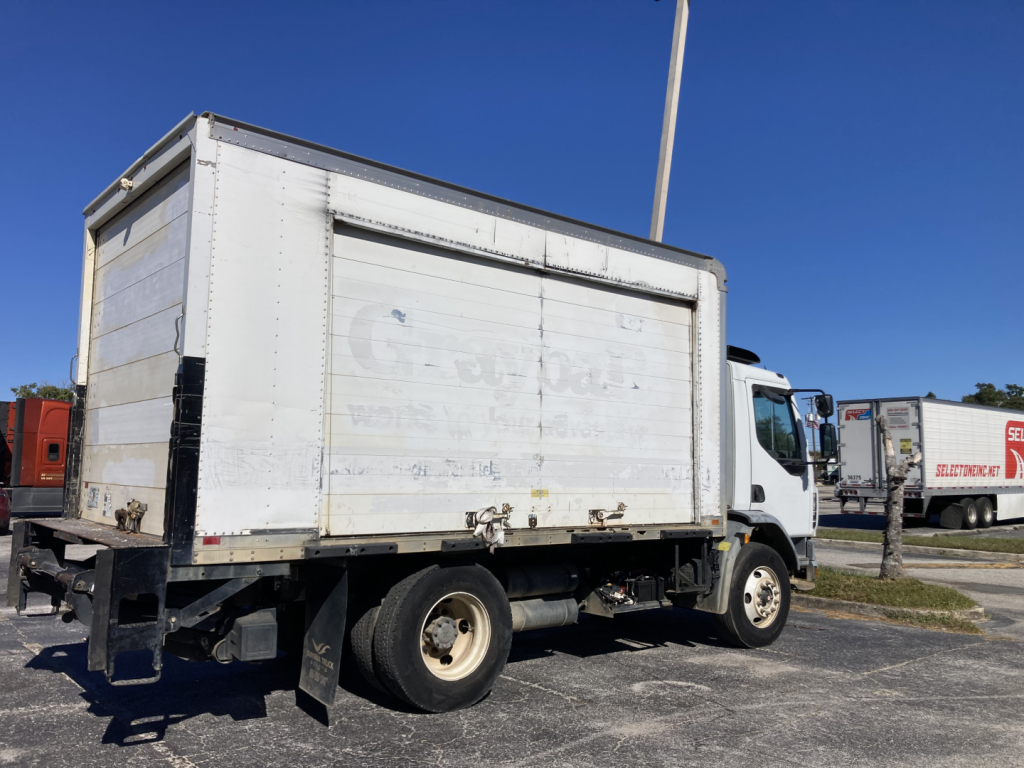
Used cabover trucks for sale, including Isuzu NPR and Peterbilt 220 models, with compact dimensions, tight turning radius, and delivery-ready specs.
Learn more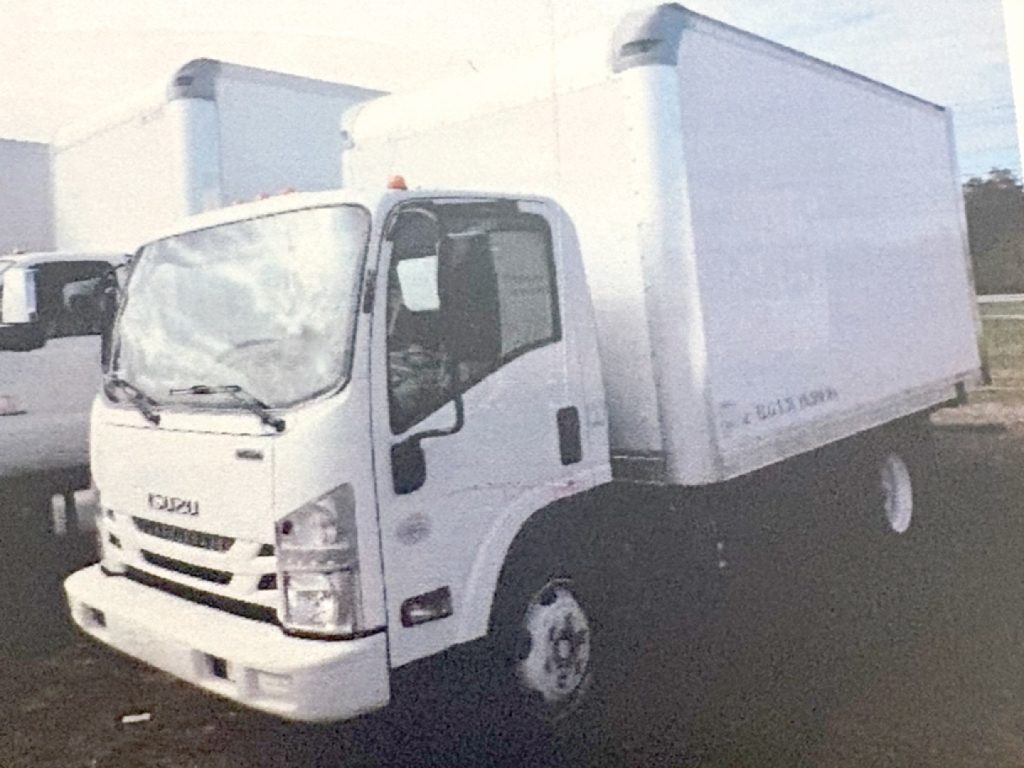

Have used cabover truck to sell? List it here to reach thousands of buyers.
About Used Cabover Trucks
A lot of used cabover trucks on the market fall into Class 3 through Class 5 and are set up with diesel engines, automatic transmissions, and single rear axles. Popular models often include the Isuzu NPR and Peterbilt 220, with horsepower commonly in the 200 to 220 range and rear axle ratios selected for stop-and-go service. Many are spec'd with spring suspension, hydraulic steering, air conditioning, and van bodies around 14 to 20 feet. If the truck already has a cargo body, pay close attention to the floor condition, scuff liners, E-track, roll-up rear door, liftgate operation, roof condition, and door frame corrosion, because body repairs can add up quickly even when the chassis is sound.
The cabover layout gives the driver excellent forward visibility and a very short front profile, but service access and ride feel are different from a conventional-nose truck. A tilt cab should raise and latch properly, and buyers should inspect hinge points, cab bushings, and signs of collision repair around the front corners. On diesel units, emissions components deserve careful review, especially if there are active fault codes related to NOx sensors, DEF systems, or regeneration. Transmission behavior in low-speed driving, brake condition, front axle wear, and tire size compatibility also matter because these trucks spend much of their life in repeated acceleration, braking, and curbside maneuvering.
For many fleets, the right used cabover truck is the one that matches route density and body upfit, not just engine output. A 16-foot van body with a liftgate may be ideal for local furniture, parcel, and appliance delivery, while a lighter dry freight route may prioritize cube and dock height over lift capacity. Check GVWR, front and rear axle ratings, wheelbase, body dimensions, and local emissions compliance before buying. A clean, well-maintained cabover can be a very efficient solution for city delivery, municipal service, beverage distribution, and other operations where compact packaging and driver visibility are more important than long-haul comfort.
Frequently Asked Questions
What is the main advantage of a cabover truck compared with a conventional truck?
The main advantage of a cabover truck is maneuverability. Because the cab sits over the engine and front axle, the truck has a shorter overall length for the same body size, which improves turning radius and makes it easier to work in city streets, alleys, loading docks, and crowded yards. Cabovers also provide strong forward visibility, which is valuable on multi-stop delivery routes.
What should I inspect first on a used cabover truck?
Start with the chassis, emissions system, and cargo body. On the chassis side, check for active engine fault codes, transmission shift quality, brake wear, front end play, suspension condition, and tire wear patterns. On cabover models specifically, confirm the tilt cab operates correctly and inspect hinges, latches, and cab mounts. If the truck has a van body or reefer body, inspect the floor, scuff panels, roof, rear frame, roll-up door, and liftgate because body condition can significantly affect total ownership cost.
Are used cabover trucks good for box truck and delivery work?
Yes. Used cabover trucks are one of the most common choices for box truck and local delivery work because they maximize usable body length while staying compact enough for urban routes. Many are already equipped with 14-foot to 20-foot van bodies, liftgates, E-track, and other delivery-focused features. They are especially well suited for parcel delivery, furniture, appliances, beverage routes, and service applications with frequent stops.
Do cabover trucks ride differently than conventional trucks?
Yes. Cabover trucks typically have a different ride feel because the driver sits closer to the front axle and above the engine. That can make road imperfections feel more noticeable than in a conventional-nose truck. For local and regional delivery work, most operators accept that tradeoff because the shorter chassis, improved sightlines, and easier maneuvering are more important than long-distance ride comfort.
What engine and transmission setups are common in used cabover trucks?
Many used cabover trucks in the medium-duty market are equipped with diesel engines in the 200 to 220 horsepower range and automatic transmissions, often 5-speed or 6-speed units. Common specs include single rear axles, spring suspension, hydraulic steering, and axle ratios chosen for stop-and-go routes rather than highway cruising. The exact setup should match the truck's body type, operating weight, and route profile.