
Used Autocar Trucks For Sale
Shop used Autocar trucks for refuse, tank, and vocational hauling. Compare ACX Xpeditor specs, drivetrains, GVWR, and body options.
Learn moreBrowse Autocar Trucks by Category
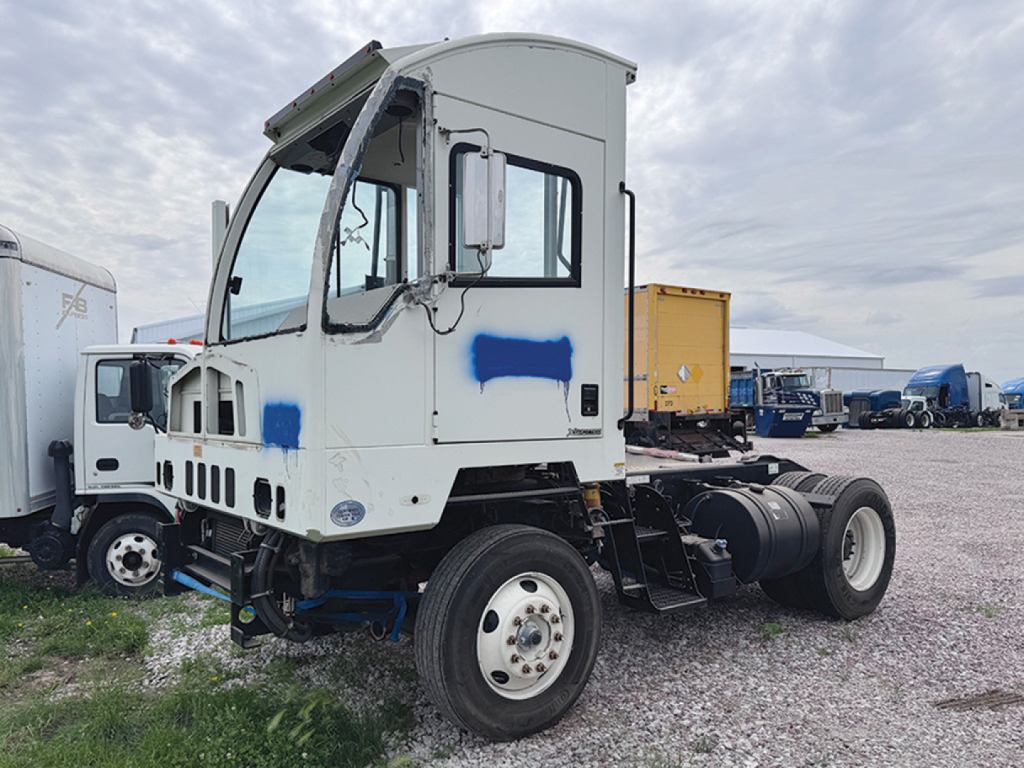
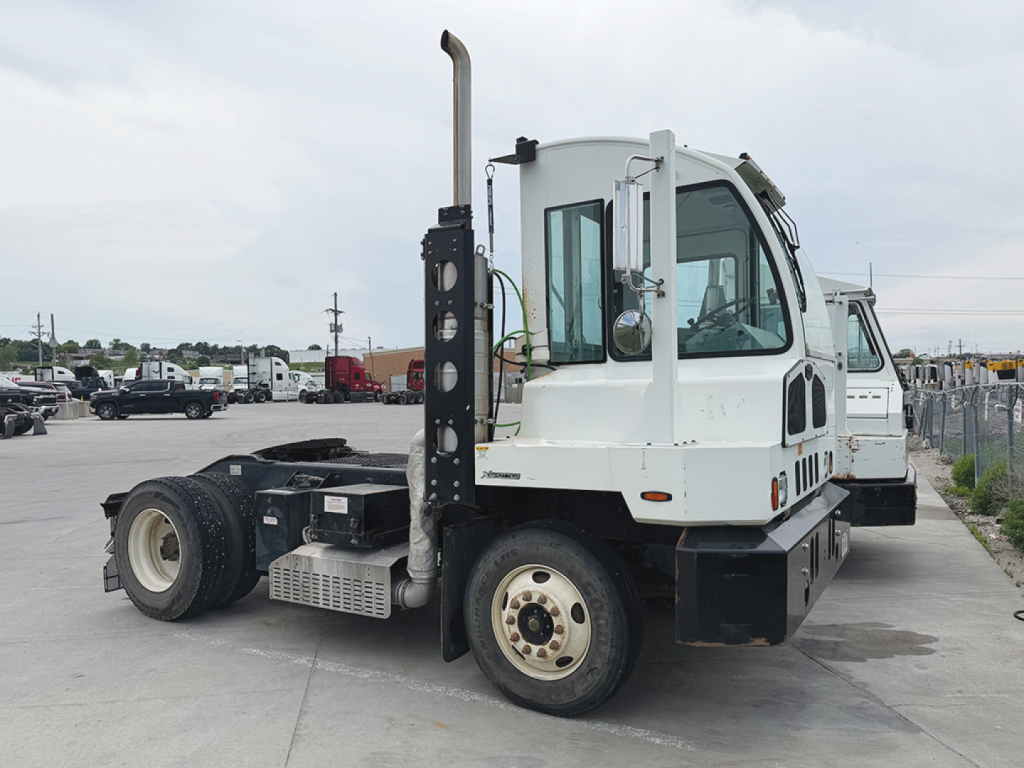

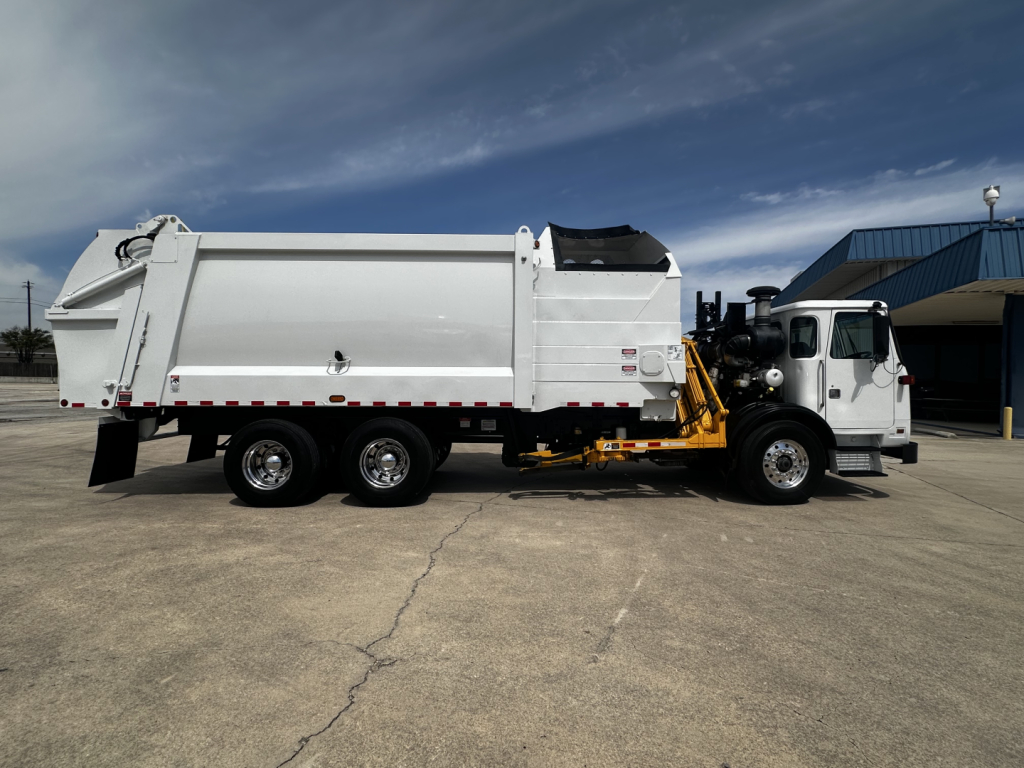
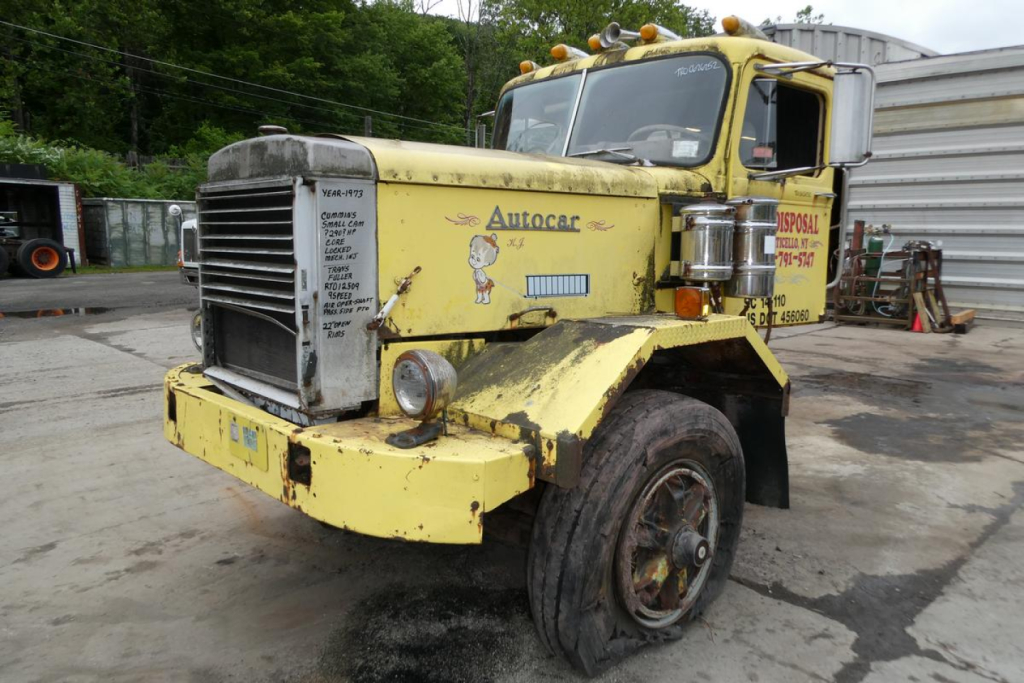
Have used autocar truck to sell? List it here to reach thousands of buyers.
About Used Autocar Trucks
The first buying decision is usually the chassis layout and body compatibility. Many used Autocar trucks are cabover engine units, also known as COE trucks, which are popular for dense urban routes because they offer excellent visibility and a shorter overall length. In refuse service, common specs include tri-axle configurations, GVWRs in the 62,000 to 66,000-pound range, Allison automatic transmissions, and Cummins power. Diesel setups with ISL-series engines are common, and CNG-powered ACX trucks also show up regularly in municipal and private fleet retirement cycles. If the truck already carries a Heil, McNeilus, New Way, or similar body, pay close attention to packer condition, hydraulic leaks, body wiring, cart tipper operation, arm function, and whether the body controls communicate properly with the chassis.
Condition on a used Autocar truck should be judged by application, not just miles. Many refuse and municipal units accumulate engine hours, PTO time, and repeated stop-start cycles that create a different wear pattern than over-the-road tractors. Buyers should review maintenance records for emissions components, cooling system work, steering and suspension wear, transmission service history, and cab lift system operation on ACX models. On CNG units, confirm tank age, fuel system inspection status, and local service support before purchase. On tank and septic configurations, inspect tank material, valve size, pump condition, PTO engagement, and any corrosion around mounting points, subframes, and plumbing connections.
Autocar trucks appeal to buyers who need a purpose-built chassis rather than a general fleet truck adapted to a specialized body. The advantage is packaging and durability for demanding route work. The tradeoff is that body condition, electronic integration, and parts support can matter as much as engine and transmission condition. A strong used Autocar should be evaluated as a complete vocational system: chassis, body, hydraulics, controls, and PTO equipment. When the spec matches the route, these trucks remain a practical choice for refuse fleets, contractors, municipalities, and operators who need a heavy-duty local-service truck with proven vocational hardware.
Frequently Asked Questions
What are used Autocar trucks most commonly used for?
Used Autocar trucks are most commonly found in refuse, municipal, septic, vacuum tank, and other severe-service vocational applications. The brand is especially well known for ACX Xpeditor cabover chassis used with front loader, rear loader, and automated side loader bodies. Many are built for local routes where visibility, maneuverability, and body integration are more important than highway speed or sleeper cab features.
What should I inspect first on a used Autocar refuse truck?
Start with the body and hydraulic system, because those repairs can be as expensive and operationally important as engine work. Check packer operation, arm or tipper function, hopper wear, body floor condition, hydraulic cylinder leakage, PTO engagement, and body control communication. After that, review engine hours, transmission performance, front axle wear, steering components, suspension condition, and any active fault codes related to emissions or chassis electronics.
Are Autocar ACX Xpeditor trucks good for city routes?
Yes. The ACX Xpeditor is a cabover truck designed for tight urban work, frequent stops, and body-forward vocational applications. Its short bumper-to-back-of-cab packaging, strong visibility, and easier maneuvering make it a common choice for residential and commercial refuse service. That layout can also improve route efficiency in alleys, transfer stations, and congested municipal service areas.
Is a used CNG Autocar truck worth considering?
A used CNG Autocar can be a good fit if your operation already supports natural gas fueling and service. Many municipal refuse fleets adopted Cummins ISL-G powered ACX trucks, so these units do appear on the secondary market. Before buying, confirm fuel tank certification dates, inspect the fuel storage system, review engine fault history, and make sure local technicians can support CNG diagnostics and repairs.
Do miles matter less on used Autocar trucks than hours and application history?
In many cases, yes. A refuse or municipal truck may show relatively low mileage but still have heavy wear from stop-and-go duty, PTO operation, curb impacts, and long idle periods. Engine hours, maintenance records, body service history, and evidence of structural or hydraulic wear often tell you more than the odometer. For vocational trucks, application history is one of the most important indicators of remaining service life.