
2015 Yard Trucks For Sale
Shop 2015 yard trucks for terminal, warehouse, and port moves. Compare Ottawa-style spotters, hydraulic fifth wheels, hours, and specs.
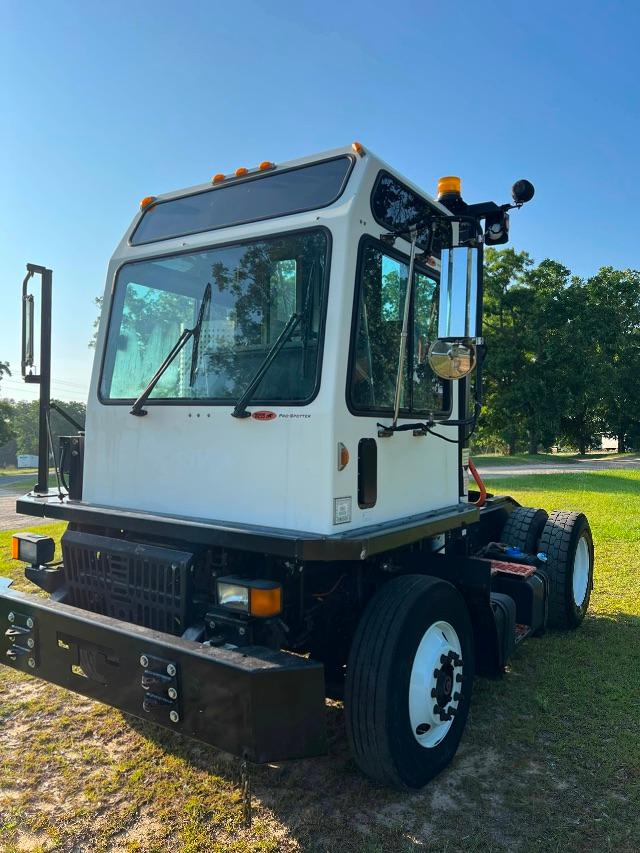
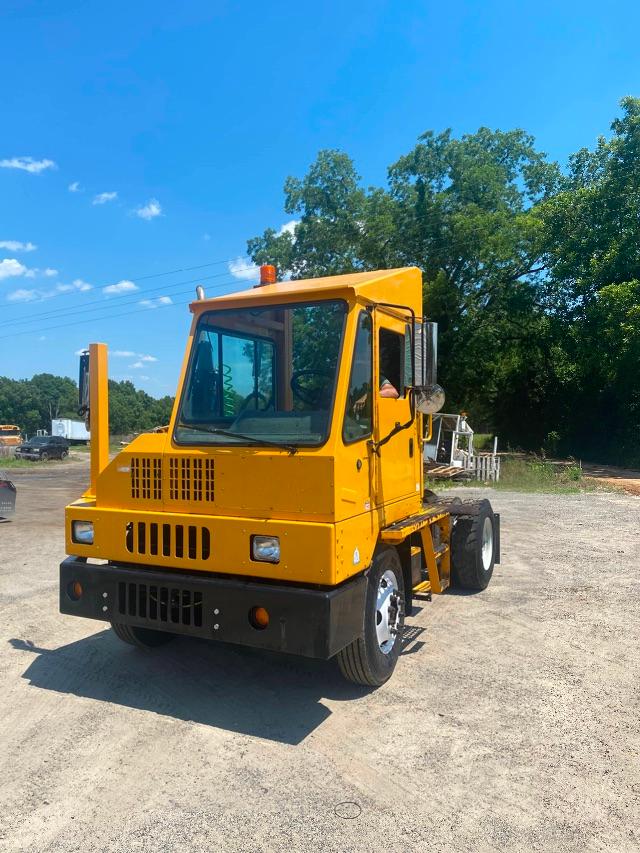

Selling a 2015 yard truck? List your 2015 yard truck for sale and reach thousands of commercial buyers.
2015 Yard Trucks
The most important buying decision is how the truck was used and maintained. Yard trucks accumulate hours faster than miles, so the hour meter often tells you more than the odometer. A 2015 unit may have spent its life in a warehouse yard, intermodal lot, distribution center, or port operation, and those environments wear equipment differently. Pay close attention to fifth wheel lift operation, hydraulic cylinder condition, kingpin engagement, frame integrity, steering play, brake response, cooling performance at idle, and transmission shift quality under repeated forward-reverse cycles. Solid ride suspensions, heavy rear axles, double-frame construction, and 11R22.5 rubber are typical in this class, and they are selected for durability more than ride comfort.
Cab design matters more in a yard truck than many first-time buyers expect. The elevated driver position, large glass area, and short overall length are what make these trucks productive in tight trailer rows and crowded docks. Many 2015 yard trucks were spec'd with sliding or air-operated rear doors, offset seating, grab handles, and easy entry steps to support frequent in-and-out use. If your operation handles loaded trailers, look closely at lift capacity and hydraulic up-down speed, especially if drivers are cycling trailers all day. If the truck will work across multiple shifts, cab HVAC, seat condition, mirror setup, and overall ergonomics are not minor details. They directly affect driver efficiency and safety.
For buyers comparing 2015 yard trucks for sale, the right unit is usually the one that matches your yard layout, trailer weights, and maintenance capabilities. A truck working on flat pavement in a private warehouse yard can be spec'd differently than one operating on rough container lots or in cold-weather service. Parts support, service access, and operator familiarity still make brands like Ottawa and Kalmar common reference points in this category, but the real value is in drivetrain condition, hydraulic health, and structural soundness. A well-kept 2015 yard truck can still be a highly cost-effective choice for terminal switching, dock staging, and trailer repositioning when the core systems have been inspected closely.
Frequently Asked Questions about 2015 Yard Trucks
What should I check first on a used 2015 yard truck?
Start with hours, not just miles, because yard trucks spend much of their life in low-speed, high-cycle service. Then inspect the hydraulic fifth wheel system, including lift speed, cylinder leaks, lock engagement, and pin or bushing wear. After that, evaluate transmission response in repeated forward-reverse shifts, steering looseness, brake condition, cooling performance at idle, and any frame cracking or repairs around high-stress areas.
Are 2015 yard trucks road legal?
Many yard trucks are designed primarily for off-road or limited on-road terminal use, so road legality depends on how the truck is equipped and how it will be registered in your state. Some can be operated on public roads for short distances if they meet lighting, brake, registration, and other regulatory requirements, while others are strictly off-road units. Buyers should verify VIN status, title, emissions requirements, and local registration rules before planning any highway use.
Why do buyers prefer automatic transmissions in yard trucks?
Automatic transmissions are standard in much of the yard truck market because they simplify constant stop-and-go operation and repeated direction changes. In terminal work, drivers may shift from forward to reverse hundreds of times in a shift, and an Allison automatic reduces fatigue while helping maintain consistent cycle times. It also lowers the learning curve for operators and is generally easier to manage in tight dock areas.
How much capacity does a typical 2015 yard truck have?
Many 2015 yard trucks fall in the roughly 30,000 to 35,000 pound GVWR class, usually with a single rear axle and a hydraulic lift fifth wheel designed to pick and move semi-trailers around a yard. Actual working capability depends on rear axle rating, frame design, fifth wheel lift system, and the type of trailers being handled. Buyers moving loaded containers, heavy van trailers, or dense regional freight should confirm lift performance and axle specs rather than relying on GVWR alone.
What makes one 2015 yard truck better for warehouse use versus port use?
Warehouse and distribution yard applications usually prioritize tight turning, quick trailer spotting, good visibility, and ease of cab entry for frequent driver movement. Port or intermodal service tends to be harder on frames, cooling systems, tires, and suspension because of heavier loads, rougher surfaces, and longer duty cycles. A buyer should match the truck's structure, hydraulic condition, axle rating, and cooling capacity to the actual environment instead of treating all yard trucks as interchangeable.