
Vacuum Trucks For Sale in New York
Browse vacuum trucks for sale in New York. Compare tank sizes, PTO systems, pump types, chassis specs, and municipal service applications.
Learn moreNo exact matches found for your search
Showing Vacuum Trucks instead.
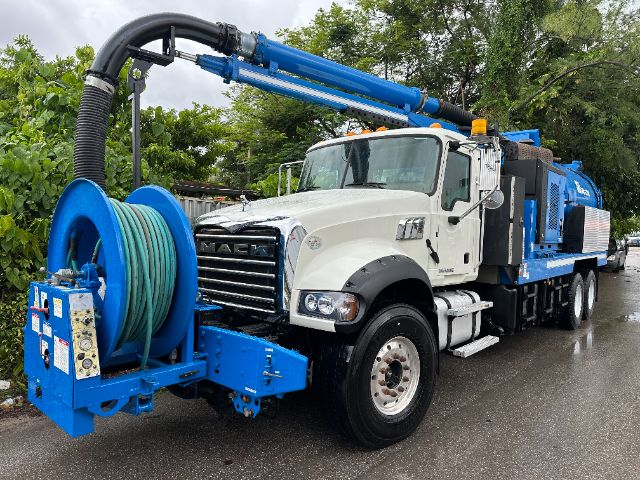
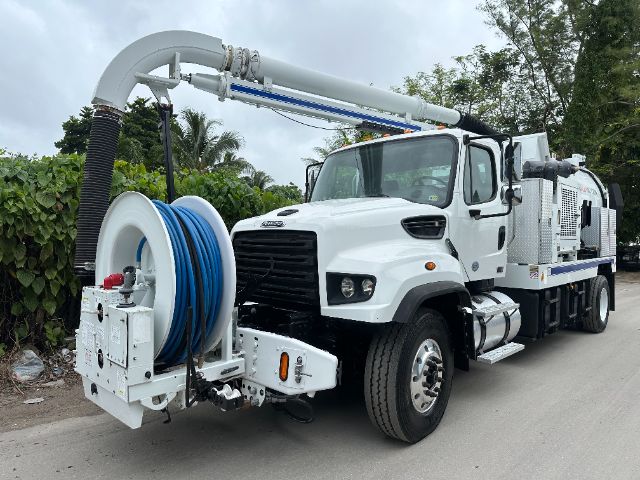
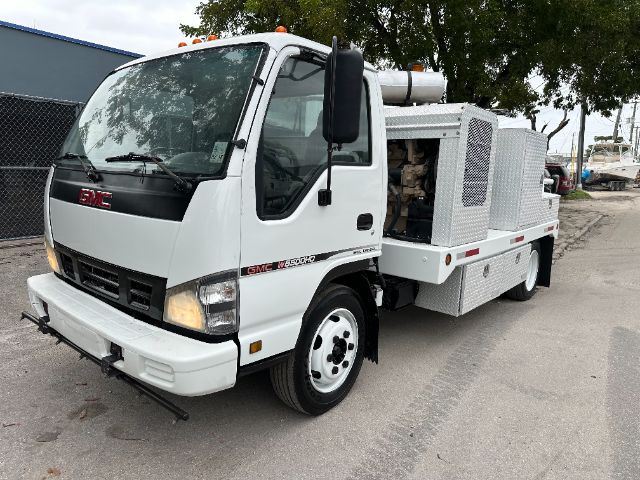
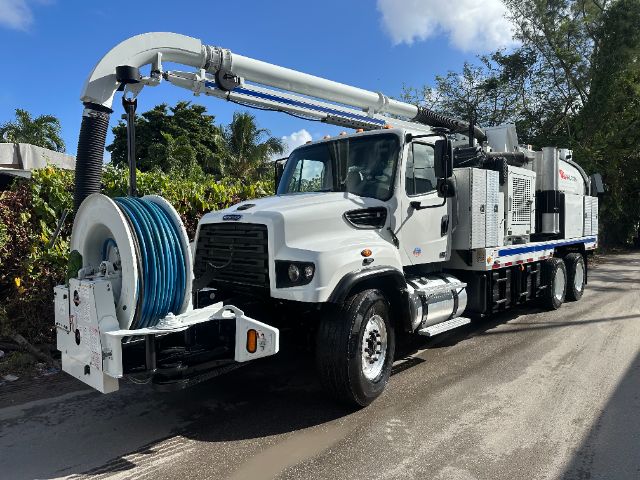
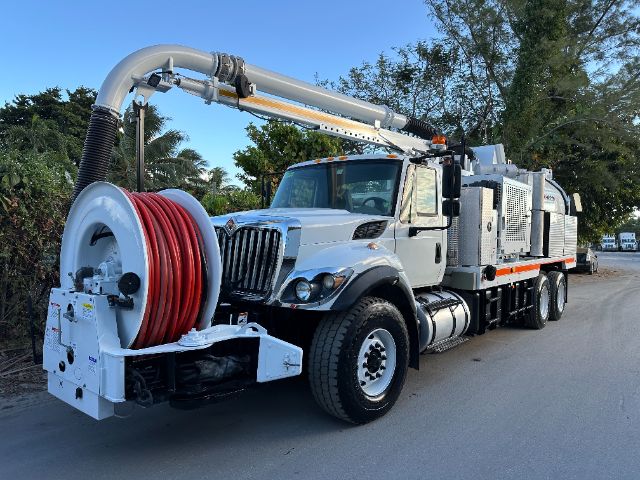
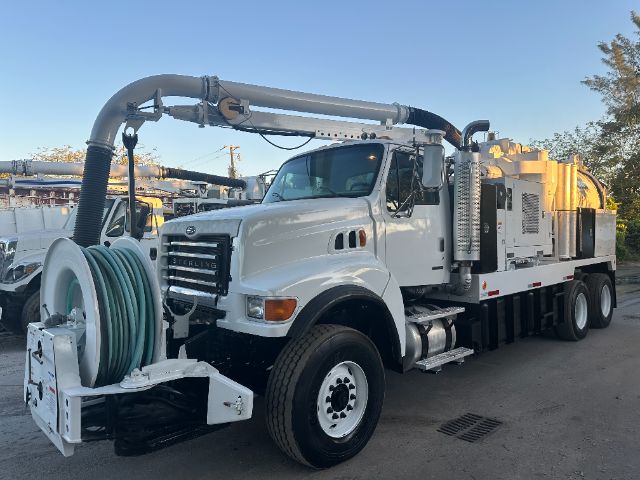
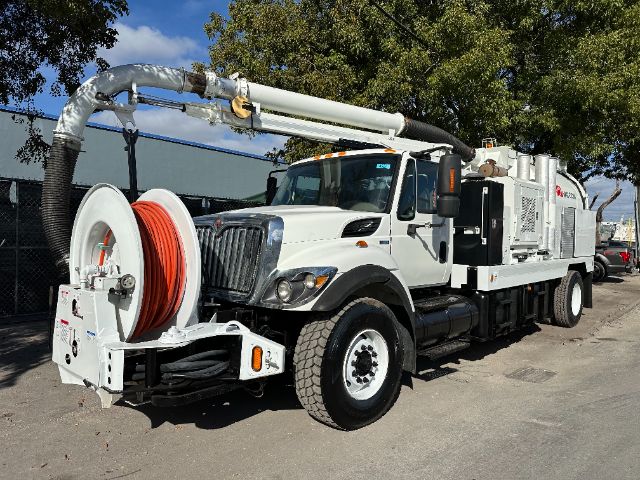
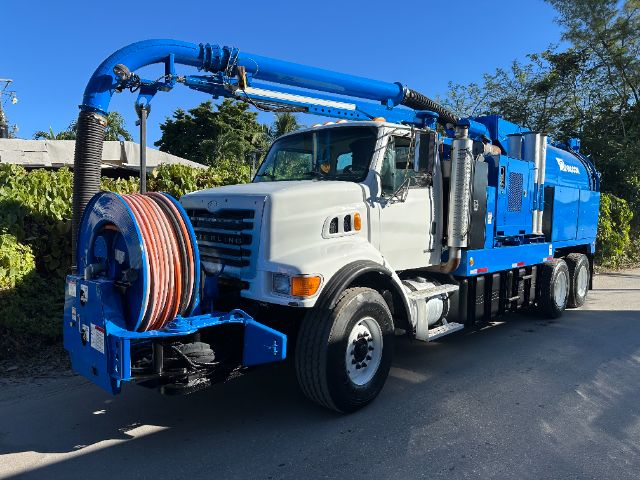
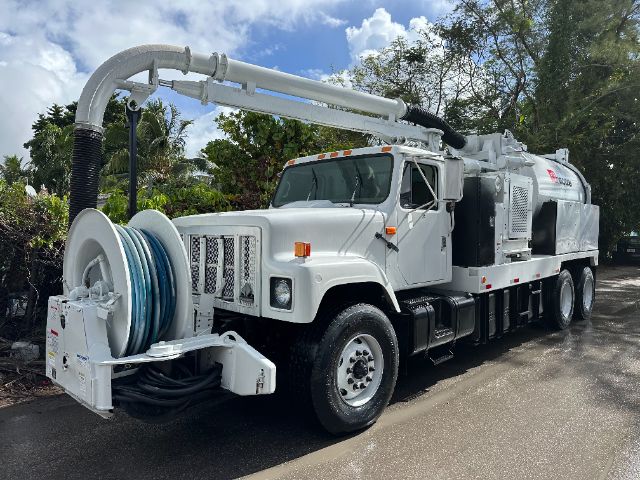
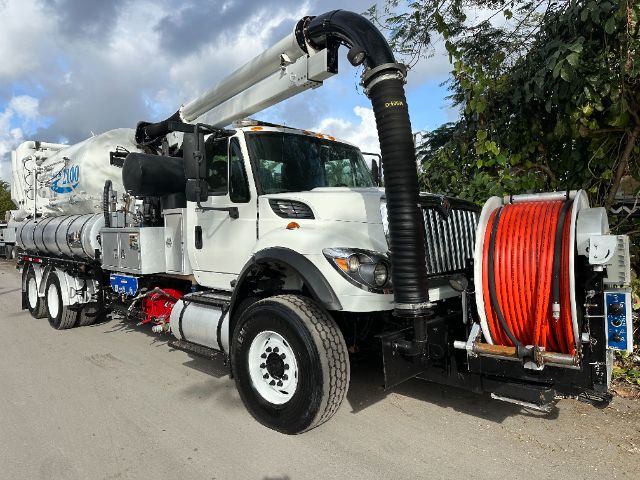
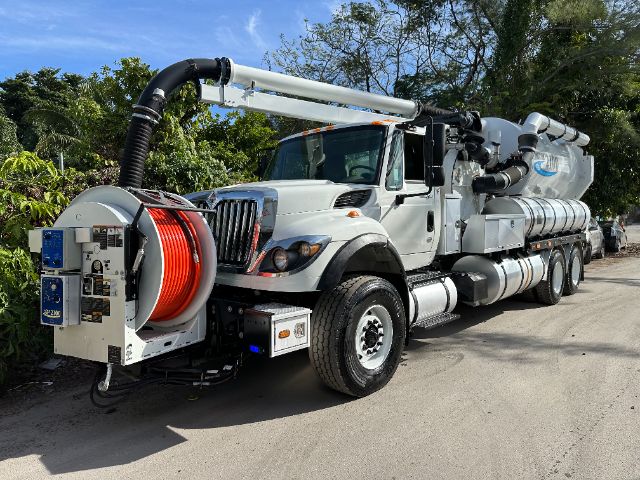
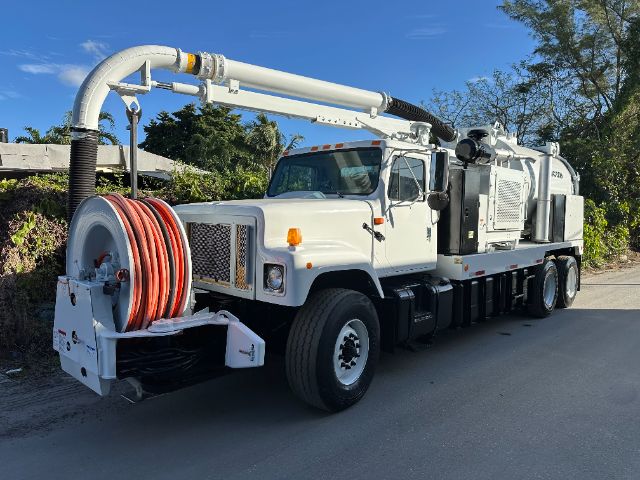
Showing 13 to 24 of 29 results
Have vacuum truck to sell? List it here to reach thousands of buyers.
About Vacuum Trucks in New York
Tank size, material, and compartment layout deserve close attention. Vacuum trucks are commonly spec'd with steel or stainless tanks, and capacities vary widely depending on chassis class and intended payload. Some units use separate clean water and debris compartments, especially combo sewer units, while straight vacuum trucks may devote the full tank to recovered material. PTO-driven systems are standard, but pump type is a major buying decision. Liquid ring pumps are common for wet applications and routine municipal service. Rotary vane and positive displacement systems may be found on units intended for different duty cycles or material types. Look at CFM, vacuum level, boom setup, hose diameter, rear door design, and unload method, since all of those affect productivity on septic, hydro excavation support, grease trap service, or storm drain maintenance.
Chassis spec is just as important as the vacuum body. A buyer should match GVWR, axle ratings, wheelbase, suspension, and brake setup to the loaded weight of the truck and the roads it will run every day. Tight urban routes in New York often favor more maneuverable single-axle units, while higher-capacity tandem setups make more sense for longer hauls or heavier sludge and debris loads. Diesel engine output, transmission type, PTO compatibility, and cab layout all influence operating cost and driver efficiency. Corrosion condition is a serious inspection point in northeastern states, so tank shell condition, subframe integrity, plumbing, valves, and frame rust should be checked carefully, especially on older municipal or contractor-owned trucks.
Buyers comparing vacuum trucks should also consider service access and compliance details, not just suction performance. Hours on the vacuum system, pump maintenance history, blower condition, filtration components, water system pressure on combo units, and the condition of seals and hydraulic controls can tell you more than engine mileage alone. If the truck will work in sewer cleaning or environmental service, verify hose reels, boom operation, washout features, safety shutoffs, and any required DOT or local regulatory equipment. A good vacuum truck spec is one that matches the material being recovered, the disposal cycle, the route environment, and the legal payload the chassis can carry without sacrificing uptime.
Frequently Asked Questions
What is the difference between a vacuum truck and a combination sewer truck?
A straight vacuum truck is primarily designed to recover and transport liquids, sludge, and slurry using suction. A combination sewer truck adds a high-pressure water jetting system so the operator can break up blockages and flush lines before vacuuming out the debris. For catch basin cleaning, sewer maintenance, and municipal pipe work, a combo unit is often the more versatile choice. For septic pumping, grease trap service, and liquid waste recovery, a standard vacuum truck may be the better fit and usually carries less system complexity.
What pump type is best for a vacuum truck?
The best pump type depends on the material being handled and the duty cycle. Liquid ring pumps are widely used for wet applications because they perform well with liquids and routine sludge service. Other systems, including rotary vane or positive displacement designs, may be selected for different airflow, vacuum, or maintenance priorities. Buyers should compare CFM, maximum vacuum level, tolerance for moisture and debris, rebuild cost, and how easily the system can be serviced in their operating region.
How do I choose the right tank size for a vacuum truck?
Tank size should be matched to payload, route length, disposal frequency, and chassis capacity. A larger tank can increase productivity by reducing dump trips, but only if the chassis can legally and safely carry the loaded material. Sludge, grit, and liquid waste get heavy fast, so axle ratings and GVWR matter as much as the tank's advertised volume. In urban areas or on shorter service routes, a smaller and more maneuverable truck may produce better overall efficiency than a larger unit that is weight-limited.
What should I inspect on a used vacuum truck?
The vacuum system should be inspected as closely as the engine and chassis. Key areas include pump hours, vacuum performance, tank condition, rear door seals, hydraulic cylinders, valves, hose reels, boom structure, filtration components, and any signs of product leaks or corrosion. On northeastern trucks, frame rust, plumbing corrosion, and tank shell integrity deserve extra scrutiny. Service records for the pump, PTO, and hydraulic systems are especially valuable because repair costs on the vacuum package can be significant.
Are vacuum trucks used only for septic and sewer work?
No. Vacuum trucks are used across municipal, utility, industrial, environmental, and construction applications. Common jobs include septic pumping, sewer and storm drain cleaning, catch basin service, lift station cleanup, grease trap pumping, spill response, industrial pit cleaning, and support for hydro excavation operations. The right configuration depends on the material being recovered, how far it must be transported, and whether the job requires water jetting, filtration, or specialized unloading features.