
Used Mack Conventional Daycab Trucks For Sale in Colorado
Shop used Mack conventional daycab trucks in Colorado. Compare Anthem specs, MP8 power, M-Drive options, wheelbase, and regional hauling fit.
Learn more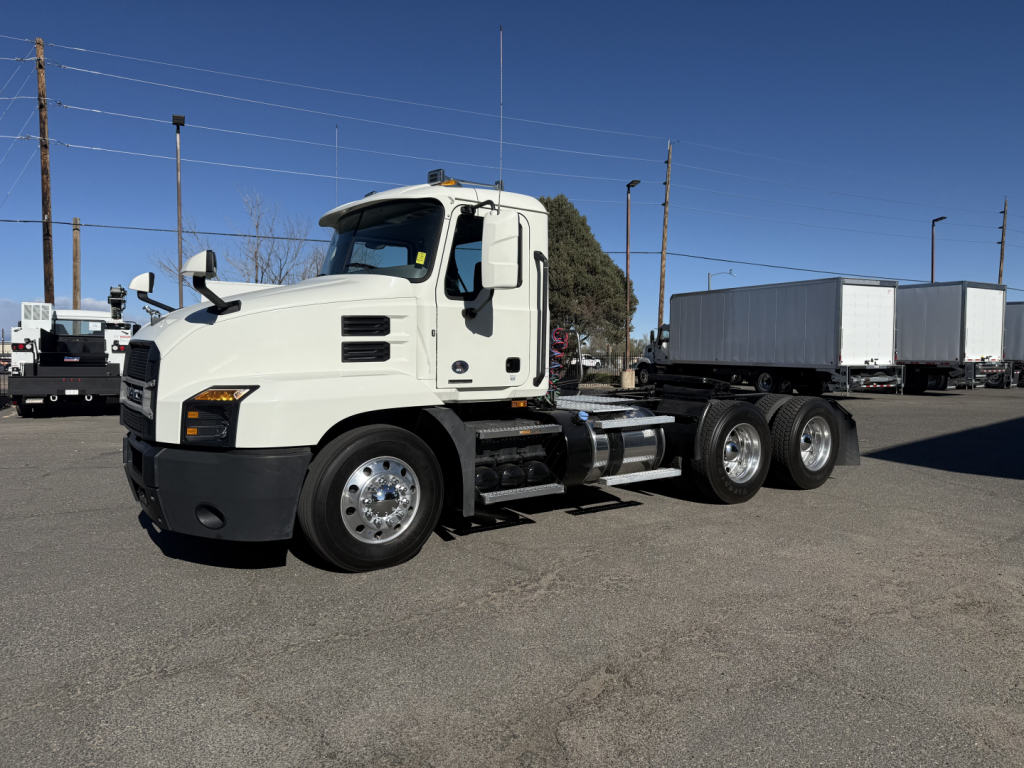
Have used mack conventional daycab truck to sell? List it here to reach thousands of buyers.
About Used Mack Conventional Daycab Trucks in Colorado
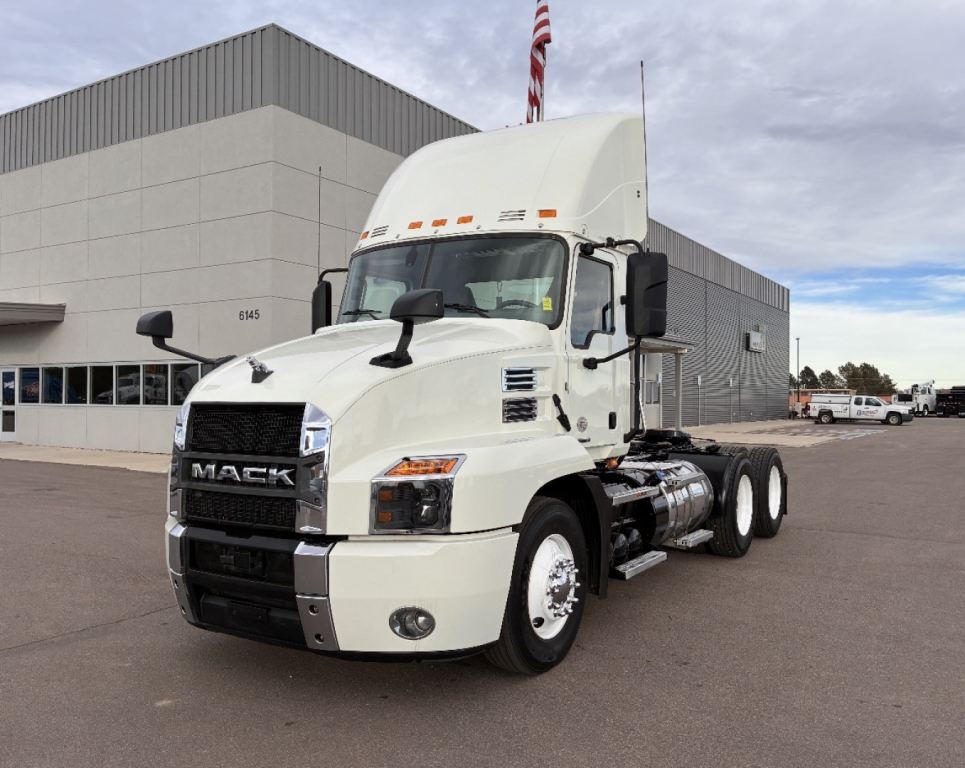
A buyer comparing used Mack daycabs should look closely at axle ratio, wheelbase, and suspension spec before focusing on cosmetics. A 3.25 rear ratio can make sense for regional highway freight and lower cruise RPM, while heavier stop-and-go or higher GCW work may call for different gearing. Front axle ratings, tandem capacity, fifth wheel setup, and frame layout matter if the truck will pull different trailer lengths or handle PTO-driven equipment. Mack daycabs are also known for a durable chassis, predictable steering feel, and integrated powertrain calibration when the engine, transmission, and axles are spec'd as a matched package.
The Anthem is Mack's modern highway conventional, also known as a conventional cab tractor, and in daycab form it is often selected for fleets that want easier driver entry, less empty weight than a sleeper, and better maneuverability in tighter terminals. Common features on used examples include engine brakes, roof fairings, air ride suspension, steel or aluminum wheels, and collision mitigation or lane departure systems depending on model year and original spec. Service history is especially important on used fleet and lease-return trucks. Pay attention to aftertreatment maintenance, clutch actuator and transmission software updates on M-Drive units, brake wear, tire matching across the drive axles, and signs of frame or fifth wheel abuse.
For Colorado operations, cooling system condition, emissions health, and tire spec deserve extra attention because mountain grades expose weak components quickly. A Mack daycab intended for Front Range regional lanes may be spec'd differently than one running heavy loads over Eisenhower Pass or into surrounding states. The best used truck in this category is not just the newest one. It is the one with the right horsepower, gearing, wheelbase, maintenance record, and application match for the freight it will actually pull.
Frequently Asked Questions
What engine and transmission are common in used Mack conventional daycab trucks?
Many used Mack conventional daycab trucks, especially Anthem models, are equipped with the Mack MP8 engine and the Mack M-Drive automated manual transmission. A common rating is around 415 hp, which is a practical regional-haul spec. Buyers should confirm horsepower, torque rating, transmission calibration, and rear axle ratio together, because the full driveline package determines how the truck will perform under load and at highway speed.
Is a Mack daycab a good choice for Colorado hauling?
A Mack daycab can be a very good fit for Colorado if the truck is spec'd for elevation and grade work. The key points are engine output, cooling system condition, engine brake performance, and axle ratio. Trucks used mainly on flatter regional lanes may prioritize fuel economy, while trucks running mountain corridors often need a more aggressive performance spec. Reviewing the original build sheet is the best way to see if the truck matches the terrain and payload.
What should I inspect first on a used Mack Anthem daycab?
Start with the maintenance history, fault code status, engine hours, idle hours, and evidence of emissions system service. Then inspect tires, brakes, suspension, driveline, fifth wheel wear, and frame condition. On M-Drive trucks, it is smart to verify software updates and shift performance during a road test. A clean interior and fresh service are helpful, but the higher-value information is in the service records and component condition.
What rear axle ratio works best on a Mack daycab?
The best rear axle ratio depends on the truck's actual application. Ratios such as 3.25 are common on highway-oriented regional tractors because they support lower cruise RPM and fuel efficiency. Heavier loads, frequent starts, steeper terrain, or specialized trailer work may benefit from a different ratio. Buyers should match the ratio to average gross combination weight, cruise speed, and route profile instead of assuming one setup fits every operation.
Why choose a conventional daycab instead of a sleeper tractor?
A conventional daycab usually makes sense when the work is local or regional and does not require overnight accommodation. It reduces empty weight, can improve maneuverability, and often lowers acquisition cost compared with a similar sleeper tractor. For operations with frequent trailer drops, terminal turns, or dedicated daytime routes, a daycab can be the more efficient tool as long as the chassis and driveline are spec'd for the intended freight.