
Used Bluebird Trucks For Sale Near Sparrow Bush, New York
Shop used Bluebird trucks and bus chassis for sale, including common specs, engine options, GVWR ranges, and fleet buying considerations.
Learn more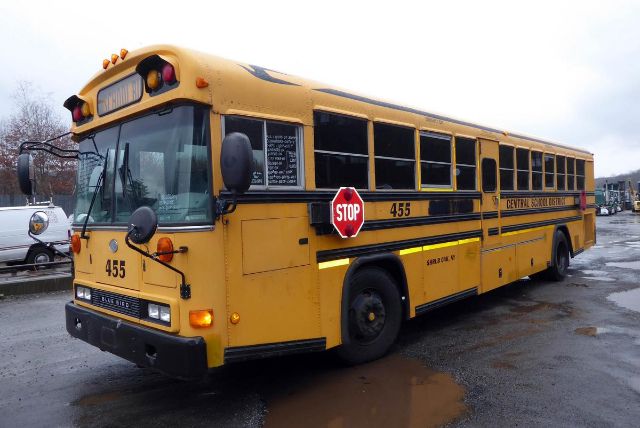
Have used bluebird truck to sell? List it here to reach thousands of buyers.
About Used Bluebird Trucks Near Sparrow Bush, New York
A buyer should start with chassis and drivetrain specs before looking at body style. Common used Blue Bird platforms include conventional and transit-style models, with engines such as the Caterpillar C7, Cummins ISB, Cummins ISC, and other medium-duty diesel options depending on year and configuration. Allison automatic transmissions are common, along with air brakes or hydraulic brakes, spring suspension or air ride on some applications, and rear axle ratings that support substantial passenger or equipment loads. GVWR, wheelbase, overall length, seating layout, tire size, and axle ratio all matter because these units are often repurposed, and gearing or weight capacity can affect highway speed, serviceability, and operating cost.
Condition matters more on a used Bluebird than paint or interior cosmetics. Buyers should pay close attention to frame corrosion, floor condition, brake system health, steering play, suspension wear, tire age, electrical faults, and engine or transmission service history. If the truck or bus spent time in the Northeast, rust on body mounts, crossmembers, stepwells, and undercarriage components deserves a close inspection. Electronics and multiplex wiring can also be a deciding factor on later-model units, especially if warning lights, speed limitations, or accessory faults are present. A pre-purchase inspection should include cold start behavior, blow-by, coolant condition, brake application, transmission shift quality, and confirmation that VIN data matches the actual chassis specification.
For buyers in Sparrow Bush, New York and similar regional markets, used Bluebird equipment can make sense for private fleets, municipalities, contractors, farms, churches, camps, and conversion projects that need a robust medium-duty platform at a lower acquisition cost than a purpose-built truck. The best unit depends on intended use. Shorter wheelbases help in tighter routes and facility access, while longer transit-style Blue Bird models offer more interior volume and payload flexibility for specialty upfits. If the goal is regular road use, verify top-speed capability, emissions equipment status, parts support, and registration requirements in New York before purchase. Blue Bird, also written Bluebird by many buyers, remains a recognized name in heavy-use people-moving equipment, and the strongest used candidates are the ones with documented maintenance, solid structural condition, and specs that match the job.
Frequently Asked Questions
What are the most important things to check on a used Bluebird truck or bus chassis?
The highest-priority items are frame and body corrosion, engine condition, transmission operation, brake system type and performance, suspension wear, and electrical integrity. Many Blue Bird units were built for severe stop-and-go duty, so service records, idle hours if available, and evidence of regular brake and cooling system maintenance are important. Rust is a major factor on Northeast equipment, especially around stepwells, floor supports, crossmembers, and body mounts.
What engines and transmissions are commonly found in used Bluebird units?
Used Bluebird equipment commonly appears with medium-duty diesel engines such as the Caterpillar C7 and Cummins ISB or ISC, depending on model year and chassis. Allison automatic transmissions are among the most common pairings because they are well suited to school bus and vocational service. Exact horsepower, torque, rear axle ratio, and tire size should always be reviewed together because they determine launch performance, cruising speed, and gradeability.
Are used Bluebird platforms good for conversions or specialty commercial use?
Yes. Blue Bird platforms are often chosen for mobile workshops, storage bodies, church or camp transport, municipal support roles, and bus conversion projects because the chassis is typically heavier than a light commercial van platform. Buyers should confirm GVWR, wheelbase, interior dimensions, roof height, and local title or registration requirements before planning a conversion. A sound drivetrain and solid understructure are usually more important than interior appearance.
Do Bluebird units usually have air brakes?
Many full-size Blue Bird transit-style and heavier conventional units are equipped with air brakes, but some configurations may use hydraulic brakes depending on size, year, and intended service. Brake type affects licensing, maintenance cost, and parts selection, so it should be verified early in the buying process. If the unit has air brakes, inspect the compressor operation, air dryer service history, tank condition, and brake chamber and slack adjuster condition.
Is mileage the best indicator of condition on a used Bluebird?
No. Mileage helps, but maintenance history, engine hours, route type, climate exposure, and overall structural condition are often more important. A Blue Bird with moderate mileage but strong service documentation and a clean undercarriage can be a better buy than a lower-mile unit with rust, electrical problems, or neglected drivetrain service. School-route use can be hard on brakes, steering, and suspension even when odometer readings look relatively low.