
Trucks For Sale Near Tulsa, Oklahoma
Trucks in Tulsa, Oklahoma, spec'd for floor strength, thermal integrity, low tare weight, and corrosion resistance to maximize uptime and lower costs
Learn more

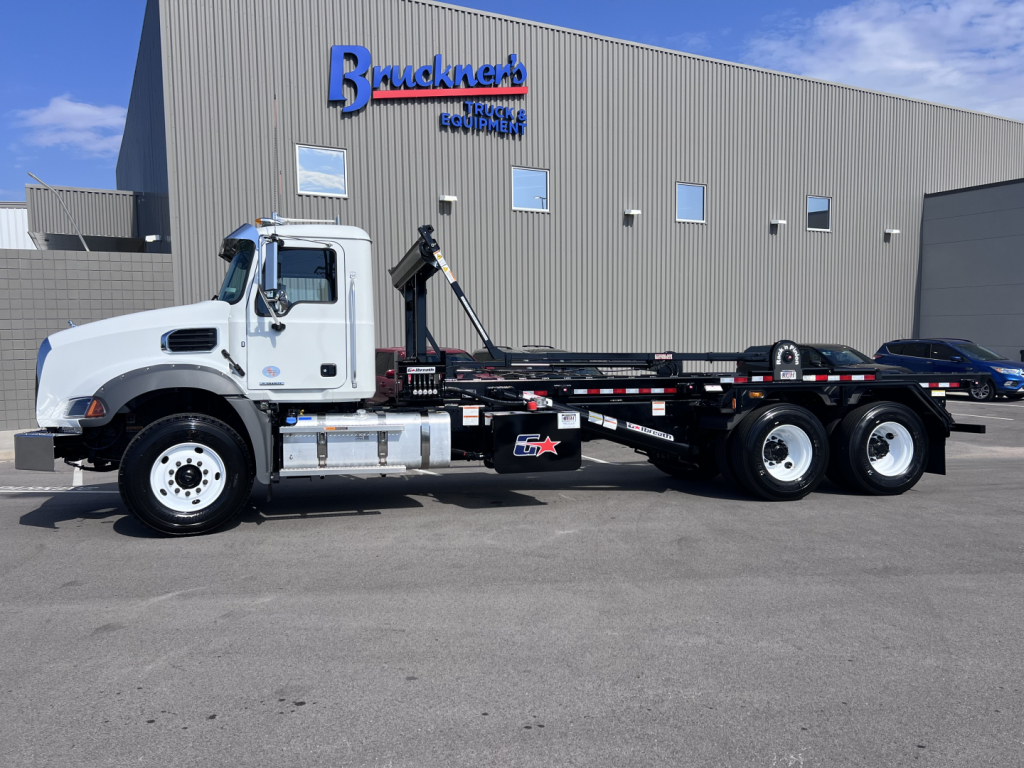
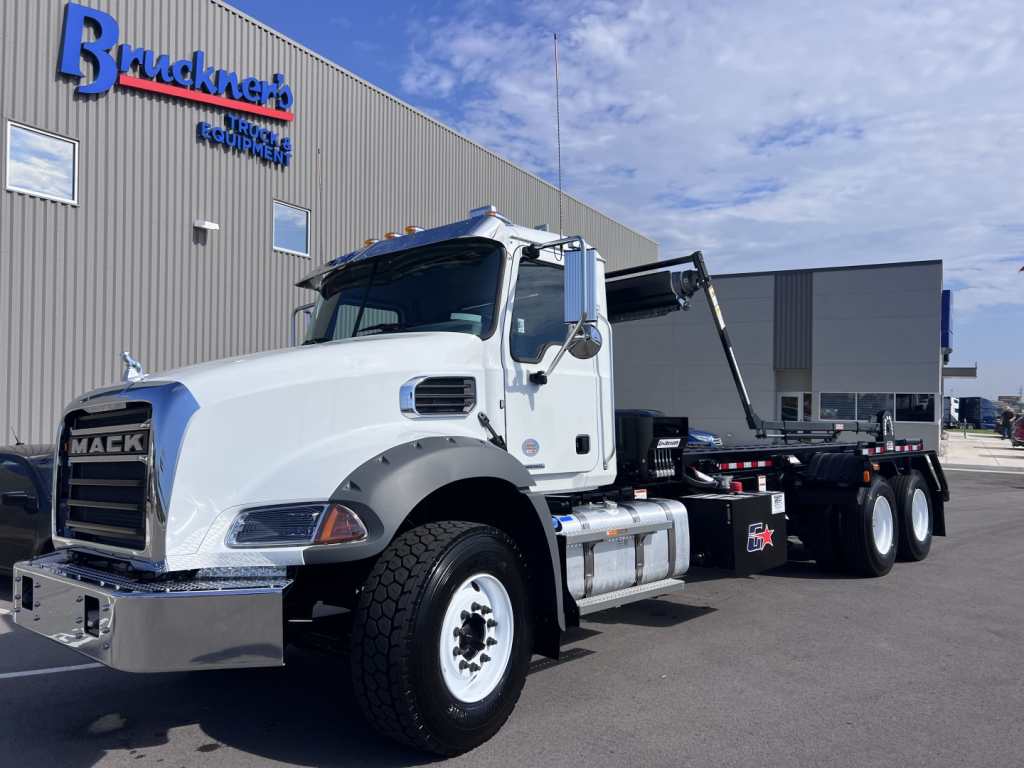
Showing 49 to 55 of 55 results
Have truck to sell? List it here to reach thousands of buyers.
About Trucks Near Tulsa, Oklahoma
Floor strength is critical on straight trucks and vocational bodies. For dry van bodies, look for apitong or laminated hardwood floors at 1.25 to 1.38 inches with 12 inch crossmember spacing, aluminum or steel thresholds, and 12 to 24 inch scuff liners to prevent edge damage from pallets. Verify forklift ratings and concentrated load specs, not just uniform floor ratings. For reefer bodies, insulated floors with integral ducts maintain airflow and protect foam integrity under repeated point loads. Dump bodies should use AR400 or AR450 floor plate with robust cross sills and an underbody or telescopic hoist sized to the heaviest material you move.
Thermal integrity impacts cargo quality and uptime. Refrigerated straight trucks perform best with foam in place polyurethane cores of proper density, high R value per inch, minimal thermal bridges at posts and corners, heated door seals, and a continuous interior vapor barrier. Well designed rear and side doors that seal consistently reduce run time on the reefer unit and cut fuel use. On tractors and non refrigerated trucks, thermal management shows up in cooling stack sizing, charge air temperatures, and aftertreatment heat retention, all of which affect DEF dosing, regeneration frequency, and reliability in Oklahoma summers. Cab and sleeper insulation, sun load glass, and an APU or battery HVAC reduce idling while maintaining driver comfort.
Tare weight and corrosion resistance drive payload and resale. Weight conscious specs include aluminum wheels and hubs, air disc brakes, wide base singles where appropriate, 6x2 or liftable pusher axles for regional work, and right sized fuel tanks, all balanced against traction, brake fade, and tire wear. Corrosion protection should include e coated or powder coated frames, sealed wiring harnesses with Deutsch connectors, stainless fasteners, aluminum or composite air tanks, and underbody coatings, especially if trucks see jobsite mud, fertilizer, or winter brine. Evaluate suspension bushings, crossmember designs, and mounting hardware for long term durability. Confirm fifth wheel height, slider travel, and overall wheelbase for trailer compatibility and maneuverability in Tulsa yards and city streets.
Frequently Asked Questions
What floor construction should I choose for a box truck that sees heavy forklift traffic?
Select a hardwood floor, commonly apitong or laminated oak, at 1.25 to 1.38 inches over crossmembers on 12 inch centers, not 16 inch. Look for aluminum thresholds, steel or aluminum wear plates at the rear, and 12 to 24 inch scuff liners to protect wall to floor seams. Verify the forklift and concentrated load rating in addition to the uniform floor rating, and consider adding logistics posts or full e track to keep pallets off the walls. If moisture is common, sealed or composite floors reduce swelling and delamination.
How do I evaluate thermal integrity on a refrigerated straight truck for Oklahoma heat?
Focus on high density foam in place polyurethane insulation with strong R value per inch, minimal thermal bridges at posts and corners, and a continuous interior vapor barrier. Check door construction, compression latches, and heated seals for consistent gasket contact. Specify insulated floors with airflow channels, aluminum scuff protection, and proper drain management. Match reefer capacity and airflow to your product and route dwell times, and review data logger histories for box temperature stability during Tulsa summer highs.
What are practical ways to cut tare weight on a highway tractor without sacrificing durability?
Use aluminum wheels and hubs, air disc brakes, and consider wide base singles where routes and traction allow. Pair a downsped engine with an AMT and a low axle ratio to reduce component mass and cruising rpm. Right size fuel tanks to your route, and evaluate 6x2 or liftable pusher axle configurations for regional work, understanding trade offs in traction and tire wear. Choose lightweight fifth wheels and aluminum battery boxes, then confirm that frame RBM and suspension ratings still meet your GCWR and terrain.
Which corrosion protections matter for trucks operating in and around Tulsa?
Even though Oklahoma sees less road salt than northern states, red clay, construction debris, fertilizer, and occasional brine can attack steel. Look for e coated or powder coated frames and crossmembers, stainless fasteners, sealed electrical connectors, and aluminum or composite air tanks. Underbody coatings, well designed drain paths, and easily washed wheel ends help. Regular wash cycles that include frame rails and aftertreatment shielding will extend component life and maintain brake and suspension hardware condition.
How should I match axle ratio and transmission to Tulsa routes and speeds?
For highway work at 65 to 70 mph, a downsped engine with a direct drive or overdrive AMT and a 2.28 to 2.64 rear axle ratio keeps cruise rpm low, improving fuel economy and reducing heat load. For mixed terrain or heavier regional haul, a slightly higher ratio improves launch and gradeability. Vocational trucks that see jobsite work often need deeper ratios and multi speed auxiliaries or lift axles. Confirm wheelbase, fifth wheel height, and slider travel to maintain trailer clearance and maneuverability in city streets and tight yards.