
Freightliner Truck and Trailer Trucks For Sale Near Sandy, Utah
Freightliner truck and trailer combos in Sandy, Utah. Specs, payload, tare weight, corrosion and thermal performance for regional and OTR work safely.
Learn more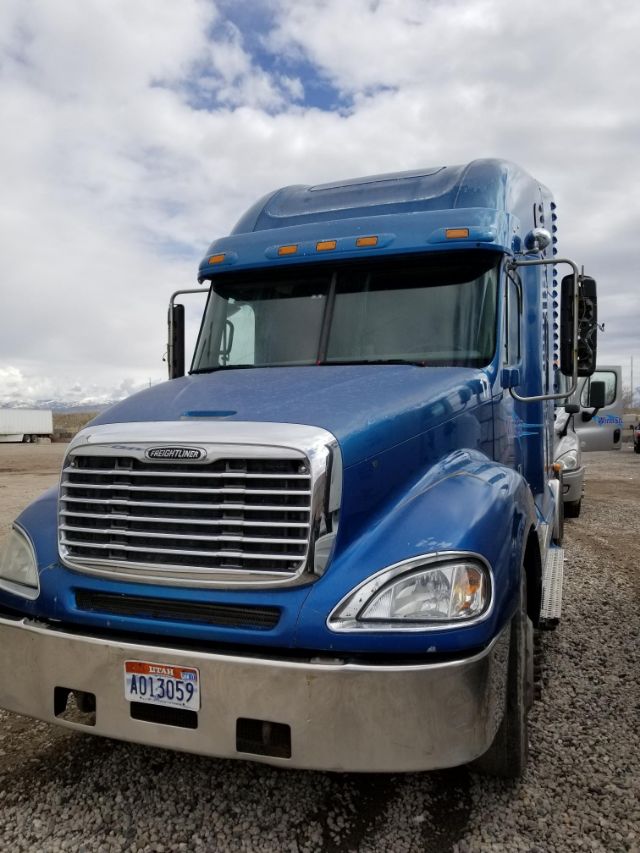
Have freightliner truck and trailer truck to sell? List it here to reach thousands of buyers.
About Freightliner Truck and Trailer Trucks Near Sandy, Utah
Floor strength drives durability and resale on the trailer. Look for 18k to 24k forklift ratings, crossmember spacing at 12 inch centers or tighter, and 1.38 to 1.5 inch laminated hardwood or composite floors with dock plate wear bands. Full length scuff liners at 12 to 24 inches protect walls, logistics posts and e track add flexibility, and heavy duty landing gear with two speed boxes speeds drop and hook. These upgrades add weight, about 300 to 800 pounds depending on materials and options, so balance them against payload targets and consider aluminum wheels, 6x2 axles, or wide base singles to claw back tare weight if your routes allow.
Thermal integrity is critical for refrigerated freight across the Wasatch Front and the I 15 corridor. Closed cell foam insulation with 4 to 5 inch sidewalls, an insulated roof, and 4.5 to 5.5 inch floors, plus thermal breaks in posts and sills, help maintain setpoint with fewer engine hours. Tight door seals, stainless rear frames, insulated bulkheads, and ducted return air protect temperature sensitive loads and reduce fuel burn. Swing doors typically seal better than roll up doors, roll up doors save space at docks, expect a small efficiency penalty with roll ups and plan capacity accordingly.
Corrosion resistance matters in Utah where brine and mag chloride are common. Galvanized or hot dipped slider rails, coated crossmembers, stainless fasteners, and sealed wiring harnesses extend trailer life, while Freightliner chassis benefit from e coated frames, aluminum cabs, and sealed connectors. Automatic tire inflation systems, air ride suspensions, and roll stability control improve tire life and safety on variable pavement. Wide base singles and 6x2 axles trim hundreds of pounds, traction and chain law compliance can be better with duals and 6x4, pick based on terrain and season. Verify kingpin setting, fifth wheel position, and trailer swing clearance with your wheelbase and cab fairings, keep kingpin load legal under bridge rules, and choose gear ratios and retarder capacity that hold speed on long grades without overheating service brakes.
Frequently Asked Questions
What Freightliner tractor specs pair best with a 53 foot dry van or reefer in Utah?
For mixed terrain that includes the Wasatch grades, a Cascadia with a Detroit DD13 or DD15 and a DT12 automated manual is a proven setup. Ratios in the 2.47 to 2.85 range balance startability and low cruise rpm for 65 to 75 mph. Aim for a 47 to 49 inch fifth wheel height with roof fairings matched to trailer height, spec air disc brakes, collision mitigation, and a strong engine brake. Wheelbase should balance swing clearance and stability, shorter for regional day cabs and longer for sleeper tractors pulling 53 foot trailers.
How do I balance trailer floor strength with tare weight for palletized freight?
Start with the duty cycle. If you see heavy forklifts and multi stop LTL, choose 12 inch crossmember spacing, 1.5 inch floors, and full length scuff liners, then offset the added weight with aluminum wheels or a lighter slider. If your freight is high cube and lighter, 16 inch crossmembers and a composite floor can save a few hundred pounds. Expect heavier floors and scuffs to add roughly 300 to 600 pounds, but they reduce damage and downtime, which often pays back quickly.
What defines good thermal integrity on a refrigerated trailer?
Consistent insulation thickness, quality foam, and minimized thermal bridges are key. Look for 4 to 5 inch sidewalls, insulated roof and floor, sealed joints, and a tight rear frame. Door design matters, swing doors usually seal best. Add a return air bulkhead, floor channels that maintain airflow, and well maintained door seals. Better thermal integrity reduces unit run time and fuel burn, protects cargo on hot I 15 stretches and cold canyon nights, and improves resale value.
How important is corrosion resistance for operations around Sandy, Utah?
Very important, since winter brine and mag chloride attack unprotected steel. On trailers, galvanized or hot dipped subframes and slider rails, coated crossmembers, stainless hardware, and sealed harnesses slow corrosion. On the tractor, e coated frames, aluminum cab structures, and sealed electrical connectors extend service life. Underbody wash routines help, and the small weight and cost premium for better coatings and hardware is outweighed by lower repair bills and stronger resale.
Will wide base singles or a 6x2 axle configuration hurt traction in the mountains?
Both reduce tare weight and rolling resistance, often saving 300 to 600 pounds and some fuel, but traction in snow can be better with duals and a 6x4. If you run frequent mountain passes or chain often, duals and a 6x4 with full locking differentials are the safer choice. If your routes are mostly dry highway, wide base singles and 6x2 can pay off. Stability control, automatic traction control, proper tire selection, and carrying the right chains are important regardless of axle spec.