
New Peterbilt Tow Trucks For Sale in Florida
Shop new Peterbilt tow trucks for sale in Florida. Compare rollback and carrier specs, GVWR, cab options, winches, and Jerr-Dan bodies.
Learn more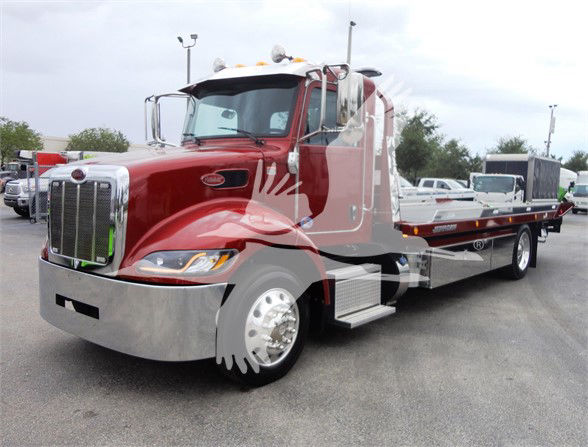
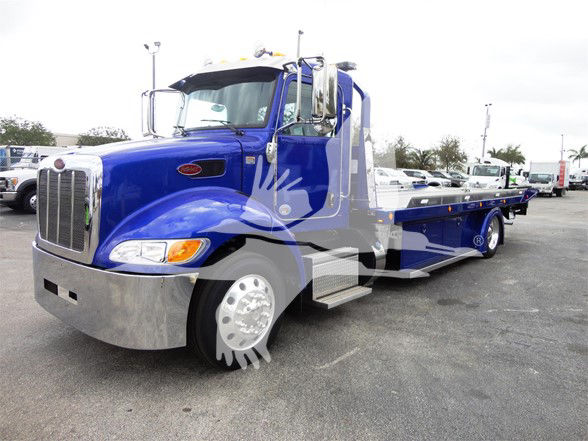
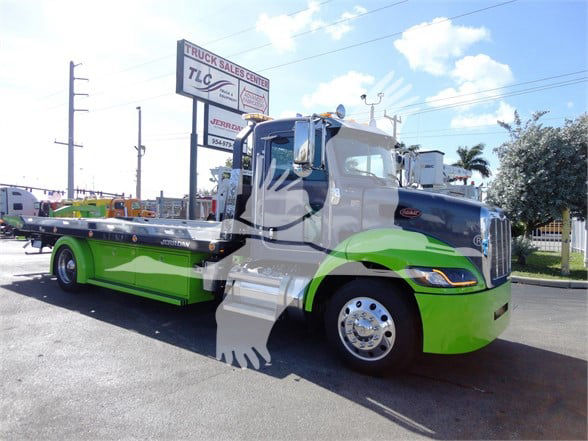
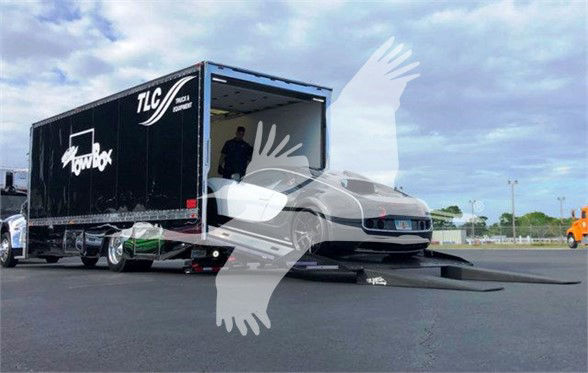
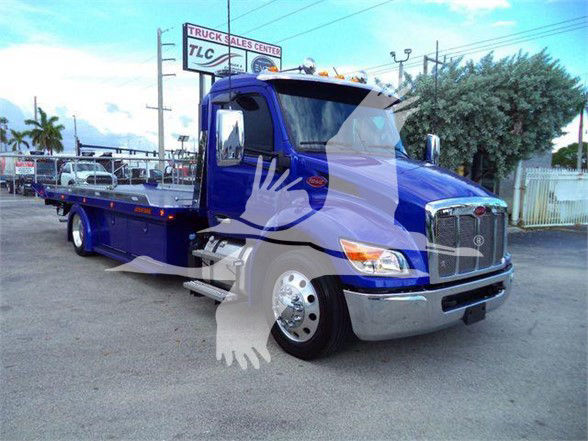
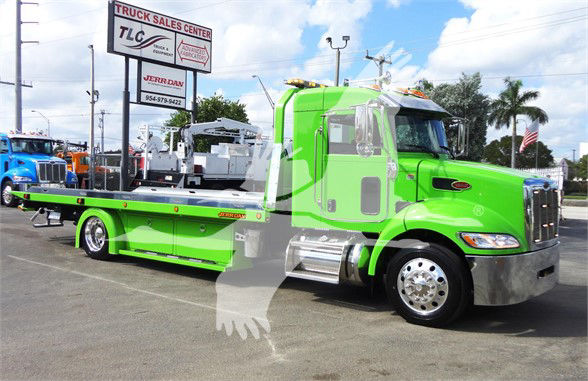
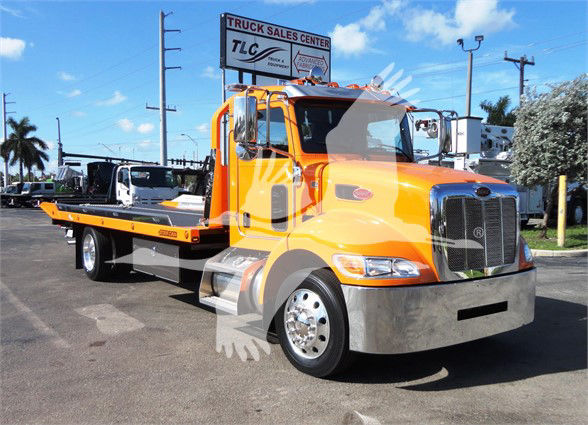
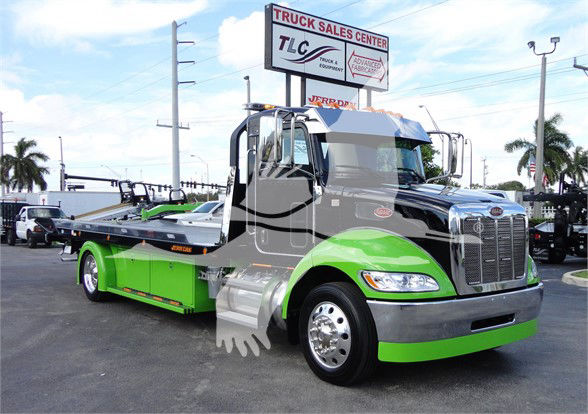
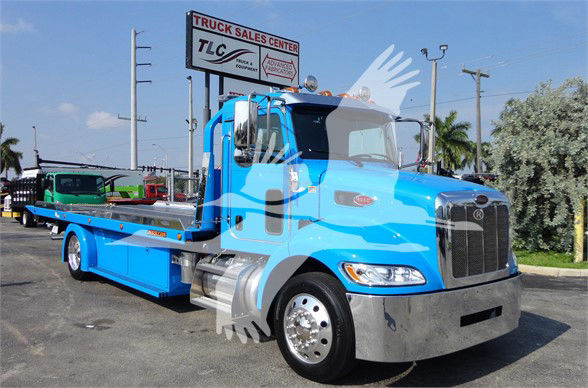
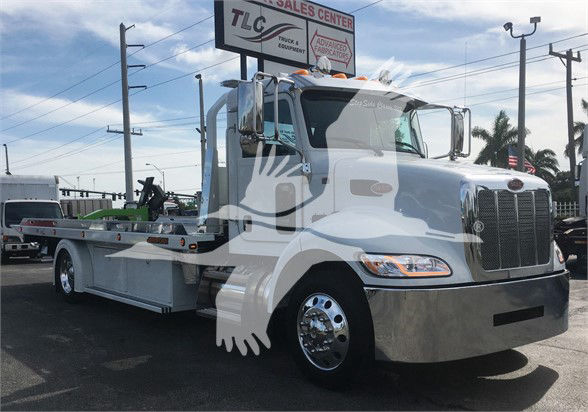
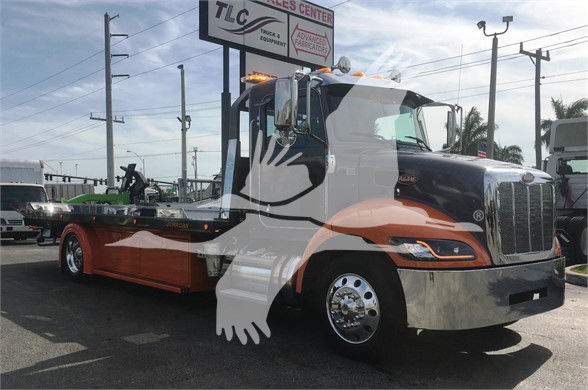
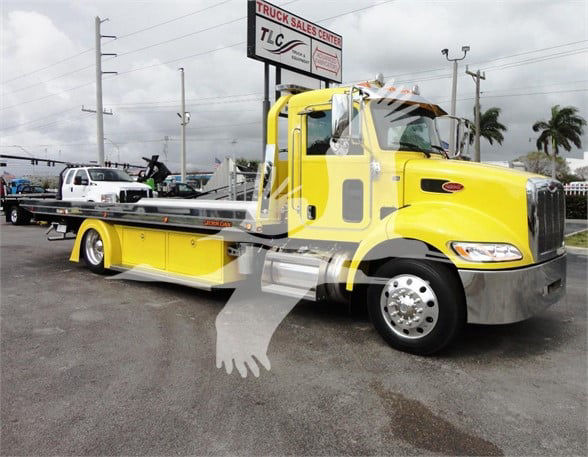
Showing 13 to 24 of 26 results
Have new peterbilt tow truck to sell? List it here to reach thousands of buyers.
About New Peterbilt Tow Trucks in Florida
On the body side, most new Peterbilt tow truck listings in this segment are rollback carriers, also known as car carriers or slide-back wreckers. A common setup is a 22-foot by 102-inch low-profile deck with a 6-ton rating, often paired with a Jerr-Dan body, 8,000-lb winch, and a 3,500-lb wheel lift with L-arms or auto-grid. Steel and aluminum beds each have a place. Steel decks are common for heavy daily use and repairability, while aluminum decks help reduce curb weight and can improve legal payload. Dual-angle or low-center-gravity deck designs matter if the truck will regularly handle low-clearance vehicles, exotics, or damaged cars that need a shallower approach angle.
Florida operators should pay close attention to corrosion resistance, cooling performance, and lighting. Aluminum fuel tanks, stainless trim, LED work lights, light bars, and sealed electrical components are common choices on new Peterbilt wreckers working in coastal or high-humidity environments. Tool box layout also matters more than many first-time buyers expect. Long side boxes, top trays, hose reels, speed dolly storage, chain racks, and removable rails all affect day-to-day efficiency on recovery calls. Extended cab configurations can add secure interior storage and extra room for equipment, while corner windows and camera systems can improve visibility in traffic, at auction lots, and in tight urban recoveries.
A well-spec'd new Peterbilt tow truck should match the work mix. For repo and light-duty impound work, maneuverability, wheel-lift design, and quick bed cycling are usually more important than maximum deck capacity. For dealer transport, collision recovery, and roadside service, buyers often prioritize deck width, tie-down setup, winch performance, suspension stability, and operator controls such as wireless remotes. Peterbilt remains a popular choice in the tow market because the chassis offers a premium cab, strong service network, straightforward vocational upfitting, and resale appeal that matters when it is time to rotate equipment.
Frequently Asked Questions
What are the most common new Peterbilt tow truck models?
The Peterbilt 337 and Peterbilt 536 are among the most common new tow truck chassis in this class. Both are popular for rollback and car carrier applications because they can be spec'd around a 26,000 GVWR, accept proven medium-duty powertrains, and pair well with 22-foot carrier bodies. The 337 is widely recognized in light-duty towing, while the 536 brings a newer cab design and updated chassis features that some fleets prefer.
What body setup is most common on a new Peterbilt tow truck?
The most common setup is a rollback carrier, also called a slide-back, car carrier, or rollback wrecker. In this category, a 22-foot by 102-inch low-profile deck is typical, often with a 6-ton body rating, an 8,000-lb winch, and a 3,500-lb wheel lift. This configuration is versatile enough for disabled vehicles, dealer transport, accident recovery, and general light-duty towing without stepping into a heavier integrated wrecker platform.
Should I choose a steel or aluminum rollback bed?
Steel beds are often chosen for durability, lower upfront cost, and easier repair after years of hard use. Aluminum beds reduce weight, which can help with payload and may improve corrosion resistance in humid or coastal areas like Florida. The better choice depends on duty cycle. A truck doing constant recovery work on rough jobs may favor steel, while an operator focused on transport, lower empty weight, and long-term appearance may prefer aluminum.
Is a 26,000 GVWR Peterbilt tow truck a good fit for light-duty towing?
Yes. A 26,000 GVWR spec is common because it fits a large share of light-duty towing and carrier work while often staying below CDL thresholds, depending on total combination weight and local requirements. This makes it attractive for owner-operators and fleets that want flexibility in driver hiring. The exact usable capacity still depends on the chassis spec, body material, wheel-lift equipment, fuel load, and installed accessories.
What features matter most when comparing new Peterbilt rollback tow trucks?
The most important features are usually chassis rating, engine horsepower and torque, transmission, axle capacity, and deck design. After that, buyers should compare wheel-lift capacity, winch rating, deck width, loading angle, toolbox configuration, lighting package, suspension, and operator controls such as wired or wireless remotes. Visibility features like corner windows, backup cameras, and mirror configuration also matter because tow work is performed in traffic, on shoulders, and in confined spaces.