
Trucks For Sale Near Thomasville, North Carolina
Browse trucks for sale in Thomasville, NC, including vocational, medium-duty, and specialty trucks with specs for fleet, municipal, and jobsite use.
Learn moreNo exact matches found for your search
Showing Trucks in North Carolina instead.
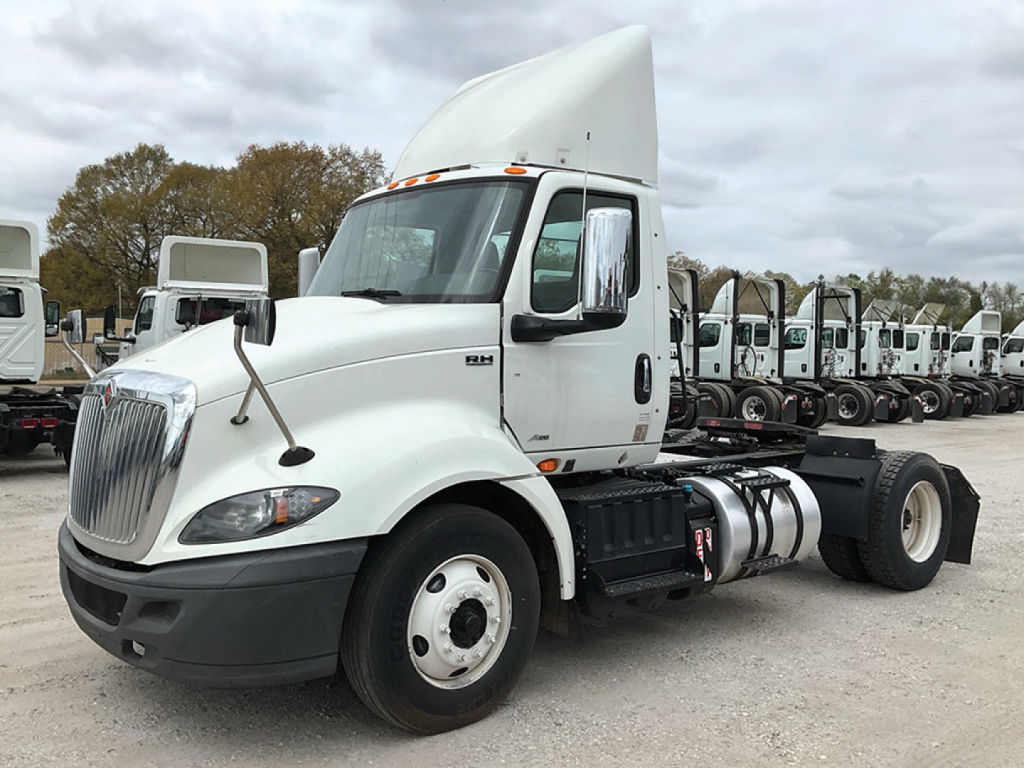
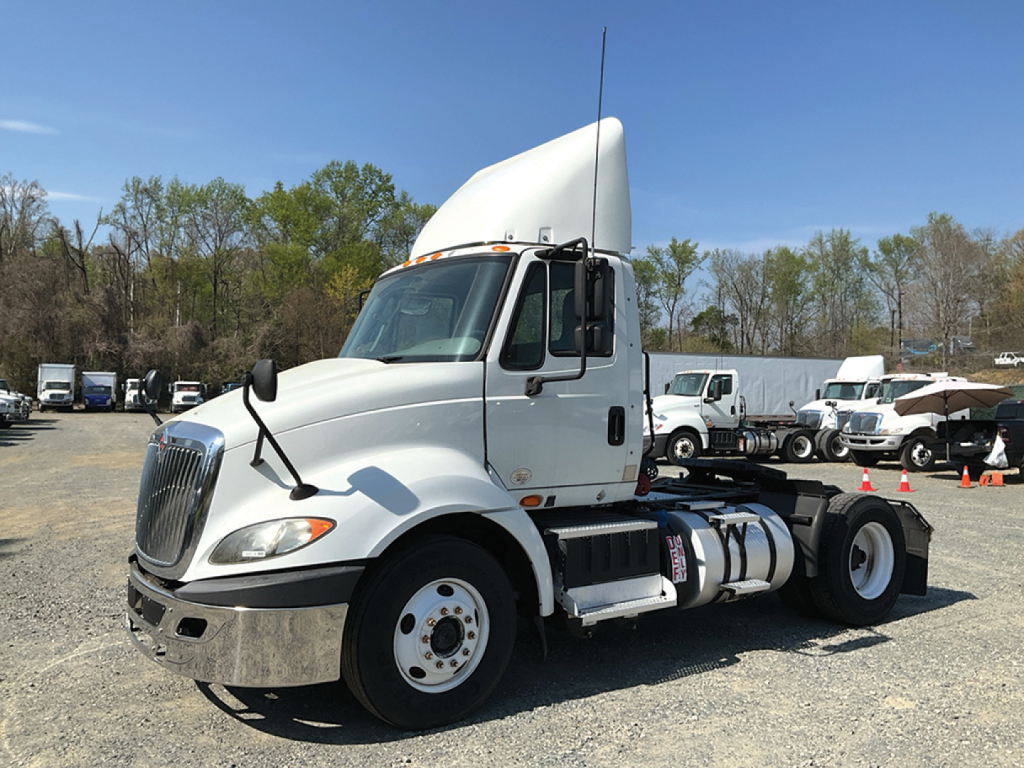
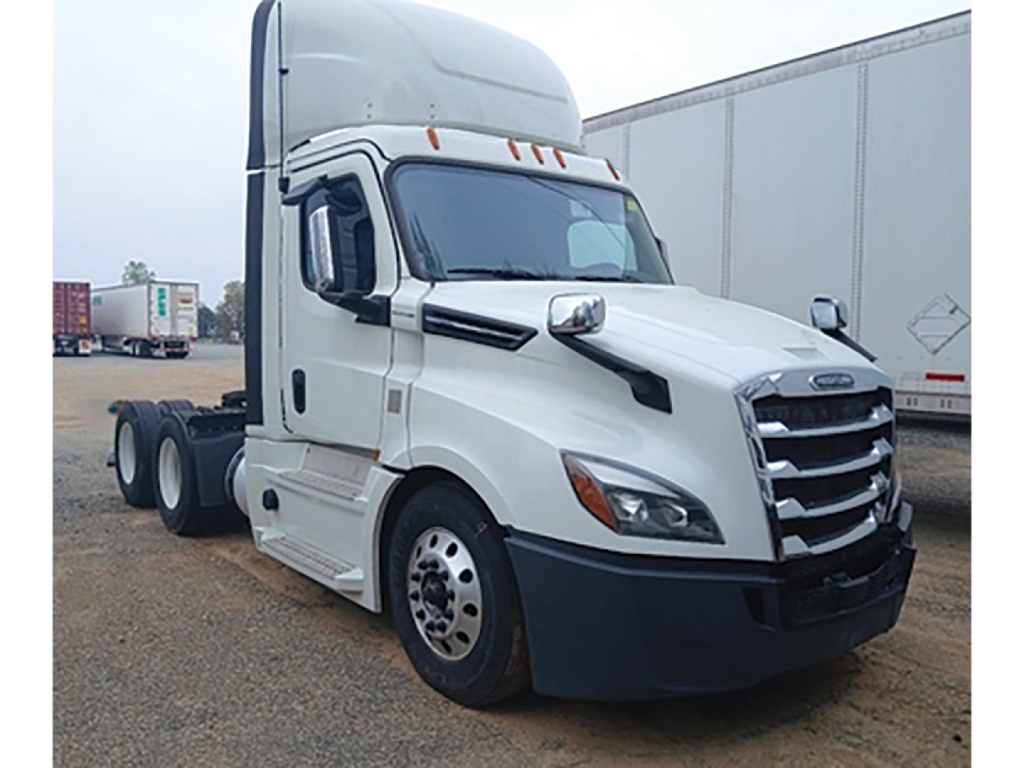

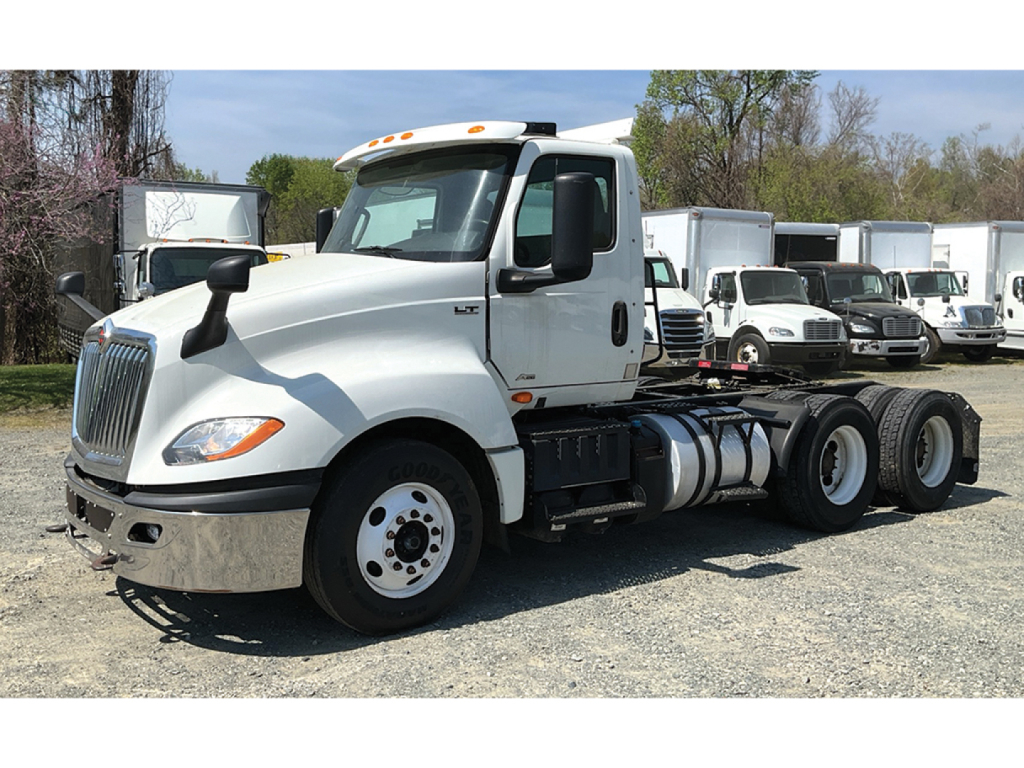
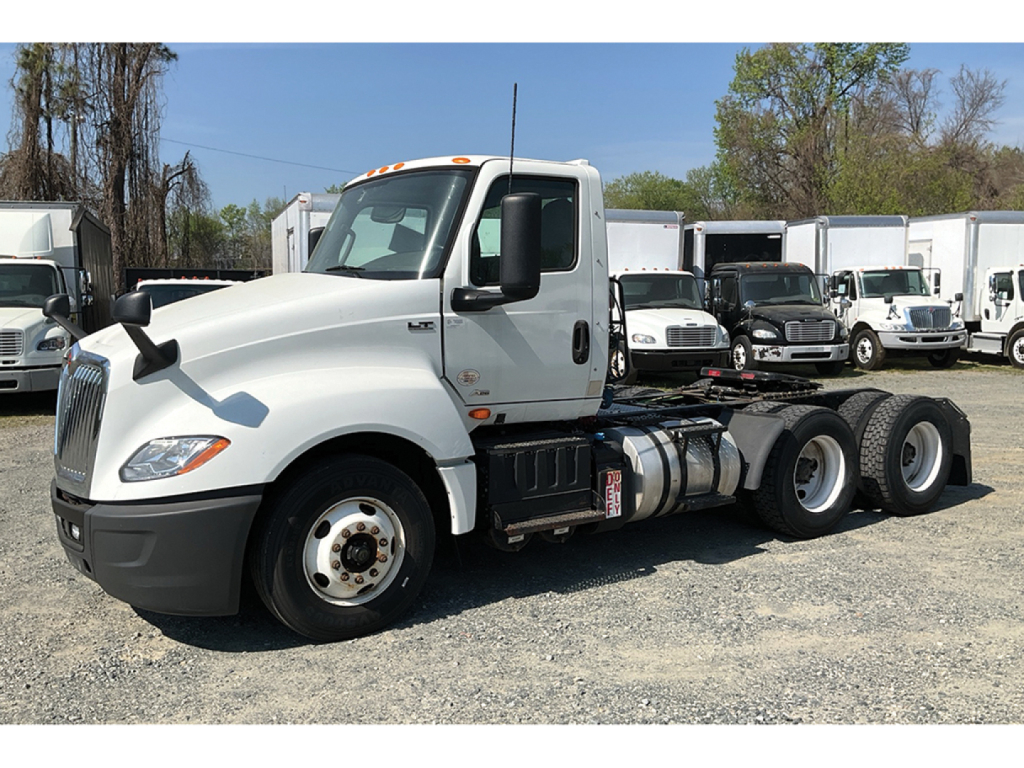
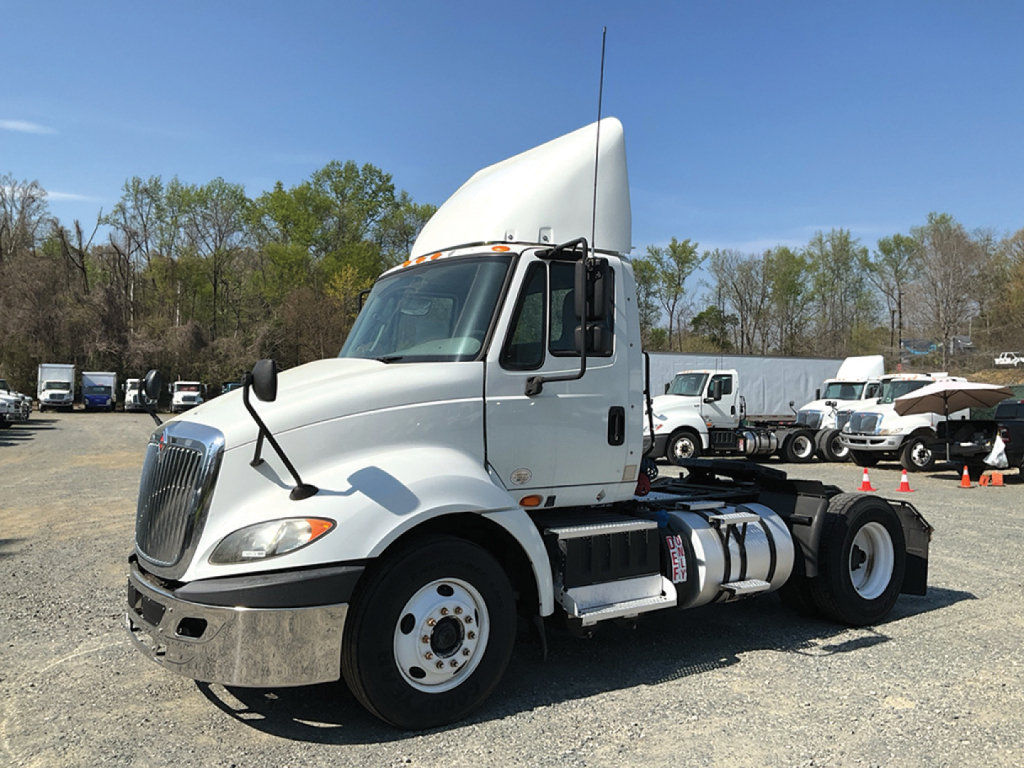
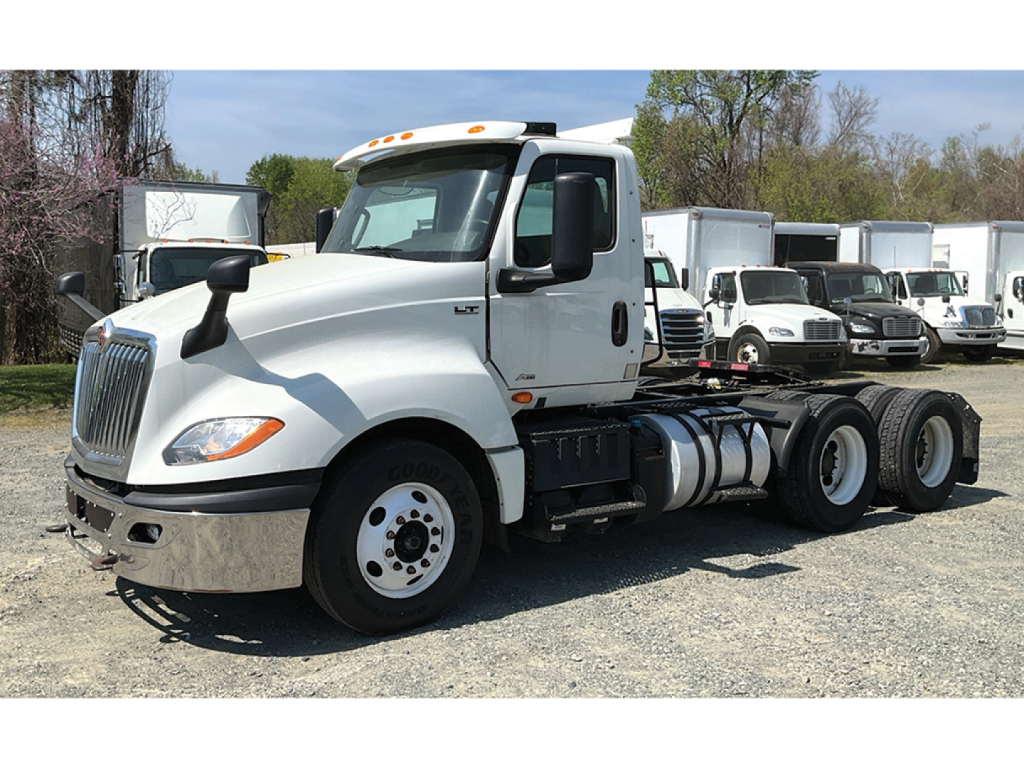
Showing 121 to 132 of 157 results
Have truck to sell? List it here to reach thousands of buyers.
About Trucks Near Thomasville, North Carolina
Powertrain and upfit support should be evaluated together. Many work trucks in this segment use proven diesel engines from Cummins, Detroit, or Navistar paired with Allison automatic transmissions, especially in stop-and-go or PTO-driven service. For buyers focused on uptime, service history, engine hours, idle time, cooling system condition, hydraulic function, and emissions equipment status can be just as important as mileage. On vocational trucks, frame condition, suspension spec, brake type, and front axle capacity affect what body can be carried and how the truck performs under load or while operating auxiliary equipment.
Thomasville-area buyers also need to think about regional duty cycles and compliance. Municipal and contractor fleets in North Carolina often want trucks that can handle mixed urban routes, short-haul jobsite travel, and seasonal utility or public works demands. That makes visibility, turning radius, automatic transmissions, and easy parts support valuable features. On specialty units such as garbage trucks, vacuum trucks, fire trucks, and shuttle or transit buses, the body system can be more expensive to repair than the chassis, so inspection should cover pumps, tanks, blowers, packer bodies, lift systems, plumbing, controls, and corrosion-prone areas like subframes, floors, and compartments.
A good truck listing in this category should help you confirm class, engine, transmission, axle setup, suspension, brake system, cab layout, and body manufacturer before you compare price. Buyers looking at used trucks should also check PTO operation, hour meter readings, tire date codes, title status, and any signs of rust, coolant contamination, hydraulic leaks, or electrical faults. If the truck was in municipal or government service, that can be a plus for documented maintenance, but it is still worth verifying wear points tied to the truck's actual assignment. The right choice comes down to matching the chassis and vocational equipment to the job cycle, payload, and service environment.
Frequently Asked Questions
What should I look for first when buying a used vocational truck?
Start with the truck's intended job, then verify that the chassis matches it. Key points include GVWR, front and rear axle ratings, wheelbase, engine and transmission combination, PTO provisions, and the condition of the installed body or equipment. On used vocational trucks, body condition and auxiliary system performance often matter as much as the engine because repairs to pumps, packer bodies, tanks, lifts, or hydraulic systems can be costly.
Is mileage or engine hours more important on work trucks?
Both matter, but engine hours often tell the more accurate story on vocational trucks that spend time idling or running PTO equipment. A truck with moderate miles can still have heavy wear if it has high idle time or extensive stationary operation. Buyers should compare odometer readings with engine hours, service records, and the condition of cooling, hydraulic, and emissions systems to judge real use.
Why are Allison automatic transmissions common in municipal and specialty trucks?
Allison automatics are common because they perform well in stop-and-go service, reduce driver fatigue, and integrate well with PTO and vocational applications. Refuse, vacuum, utility, and transit operations often involve frequent starts, low-speed maneuvering, and body equipment use, which makes an automatic transmission practical for both uptime and operator control.
How important is the body manufacturer on a specialty truck?
The body manufacturer is extremely important because the upfit often determines the truck's actual value and repair cost. On vacuum trucks, refuse trucks, fire apparatus, and buses, buyers should inspect the body brand, model, controls, pumps, tanks, plumbing, wiring, corrosion points, and parts support. A sound chassis with a worn or unsupported body can quickly become an expensive ownership problem.
Are former government or municipal trucks a good buy?
They can be, especially when they come with documented maintenance and consistent fleet servicing. Many municipal trucks follow scheduled inspection and replacement cycles, which can be a benefit for buyers. Still, buyers should inspect for extended idling, PTO wear, rust, deferred body repairs, and application-specific fatigue because public-sector service can be hard on both chassis and equipment.