
Elgin Sweeper Trucks For Sale
Browse Elgin sweeper trucks built for municipal and contractor cleanup, with air and broom sweeping options for streets, parking lots, and debris control.
Learn more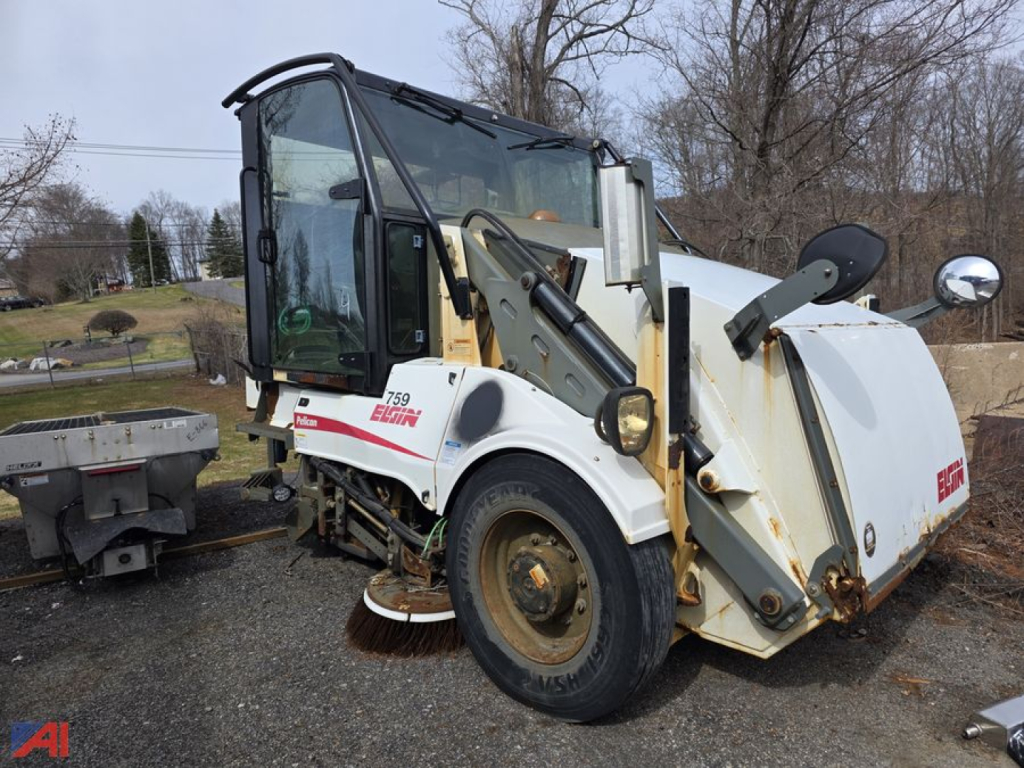
Have elgin sweeper truck to sell? List it here to reach thousands of buyers.
About Elgin Sweeper Trucks
Chassis and drivetrain specs matter as much as the hopper and broom package. Many Elgin sweeper trucks are built on purpose-built or medium-duty chassis with diesel engines, automatic transmissions, and hydraulic systems that power the broom, conveyor, vacuum, and dump functions. Key details to compare include engine hours, auxiliary engine hours if equipped, hopper capacity, water tank size, gutter broom configuration, and dump height. Suspension type, wheelbase, turning radius, and two-wheel steer versus more specialized steering setups can also affect how well the truck works in tight urban routes, cul-de-sacs, and parking areas.
Condition evaluation should focus on the wear items that drive operating cost. Check broom head wear, conveyor condition on mechanical units, fan system performance on air sweepers, water pumps, spray nozzles, hydraulic leaks, hopper corrosion, and the condition of suction tubes and hoses. A sweeper that starts and runs well can still need expensive attention in the sweeping system, so buyers should confirm all operational functions under load, including side broom lift, suction, dump cycle, water flow, and in-cab controls. Service records are especially important on municipal fleet units, since regular preventive maintenance often tells you more than appearance.
Elgin has a strong reputation in the street sweeper market, and that matters when uptime, parts support, and operator familiarity are priorities. For buyers comparing used Elgin sweeper trucks, the right fit usually comes down to debris type, route density, dust control requirements, and how easily the machine can be serviced by your shop or local dealer network. A contractor cleaning after paving or milling may prioritize heavy debris handling and hopper durability, while a city public works department may place more value on fine dust pickup, water capacity, and maneuverability over a full daily route.
Frequently Asked Questions
What is the difference between an Elgin mechanical sweeper and an Elgin air sweeper?
An Elgin mechanical sweeper uses rotating brooms and a conveyor or elevator system to move debris into the hopper. This design is generally better for heavier material such as aggregate, chunks of millings, leaves, and packed road debris. An Elgin air sweeper, including regenerative air models, uses airflow to lift and contain finer material while helping reduce airborne dust. Buyers usually choose between them based on debris size, cleanup standard, and how important dust control is on the job.
What should I inspect first on a used Elgin sweeper truck?
Start with the complete sweeping system, not just the engine and transmission. Inspect broom wear, suction performance, hydraulic operation, water system function, hopper condition, fan or conveyor components, and all dump functions. Look closely for rust in the hopper, leaks in hydraulic lines, worn hoses, and signs of deferred maintenance around the broom arms and pickup head. A road test and a full operational sweep test are both important because many problems only show up when the truck is working under load.
Are Elgin Crosswind Air sweepers a good choice for municipal street cleaning?
Elgin Crosswind Air sweepers are commonly used in municipal fleets because they are designed for efficient pickup of fine debris and good dust suppression on paved surfaces. They are well suited for city streets, bike lanes, parking areas, and routine route work where appearance and particulate control matter. Buyers should still compare hopper size, water capacity, chassis condition, and local service support, since route length and maintenance access can affect long-term operating cost more than model name alone.
How important are hours on an Elgin sweeper truck?
Hours are very important, but they need to be read in context. On sweepers, the wear on the sweeping system can matter as much as chassis mileage. If the unit has a separate auxiliary engine, compare both chassis miles and auxiliary engine hours. High hours are not automatically a problem if the truck has documented maintenance, recent broom or fan service, hydraulic repairs, and a clean operating history. A lower-hour unit with neglected water, vacuum, or conveyor systems can be the more expensive machine to own.