
Commercial Trucks For Sale Near Suwanee, Georgia
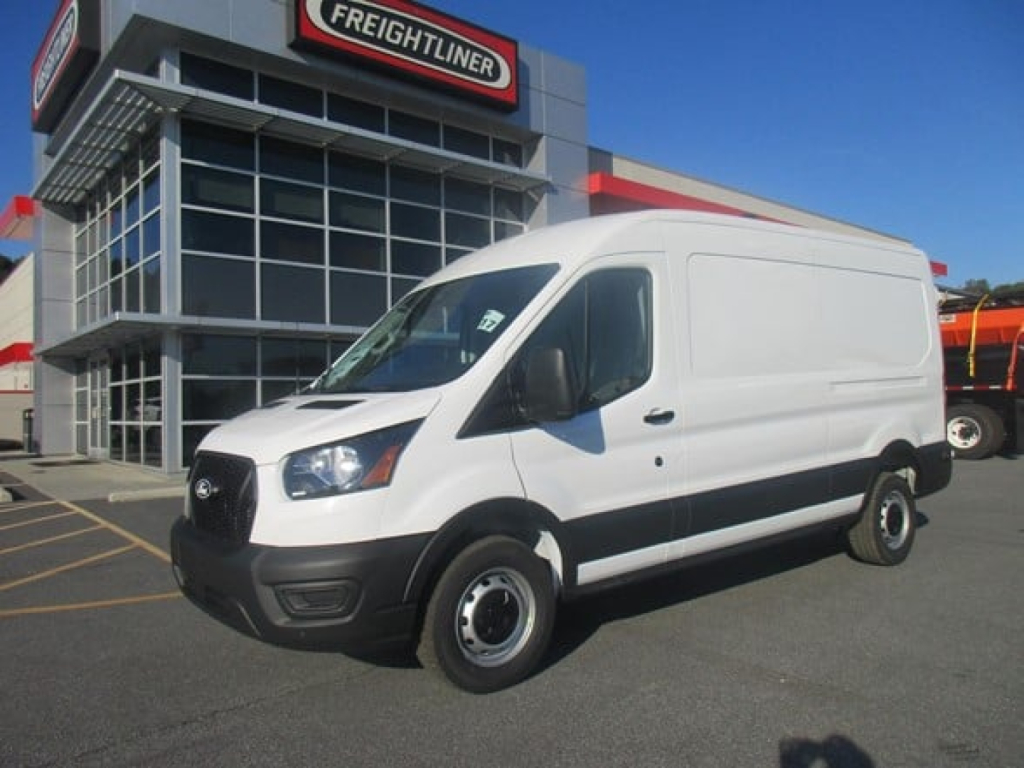
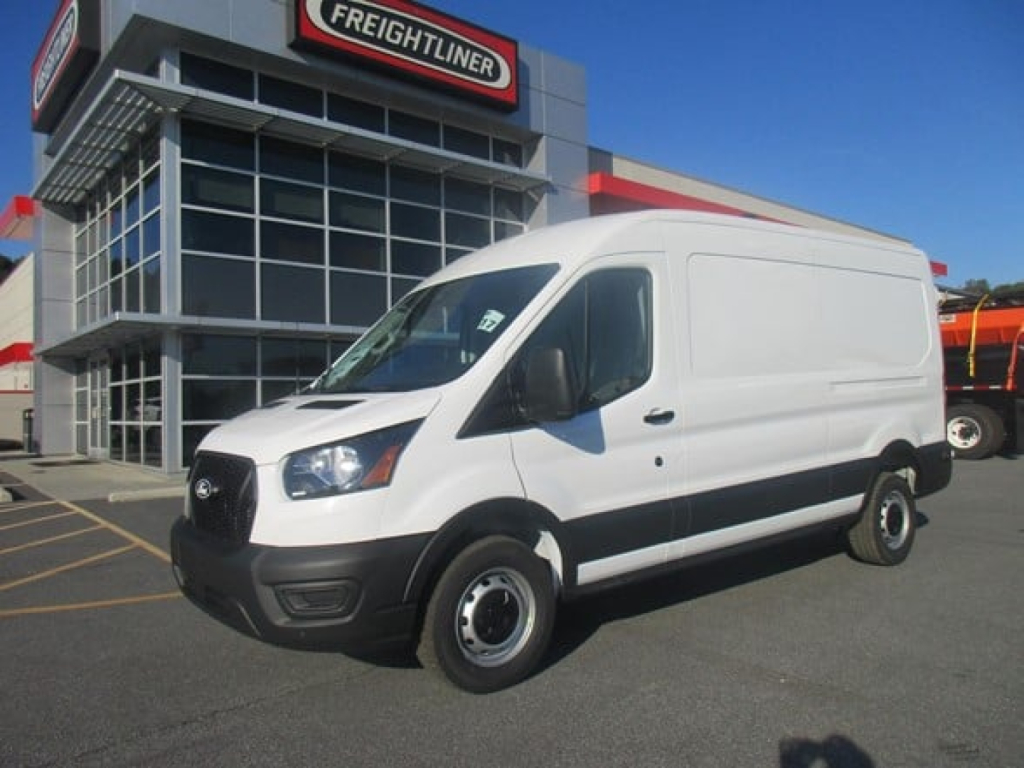
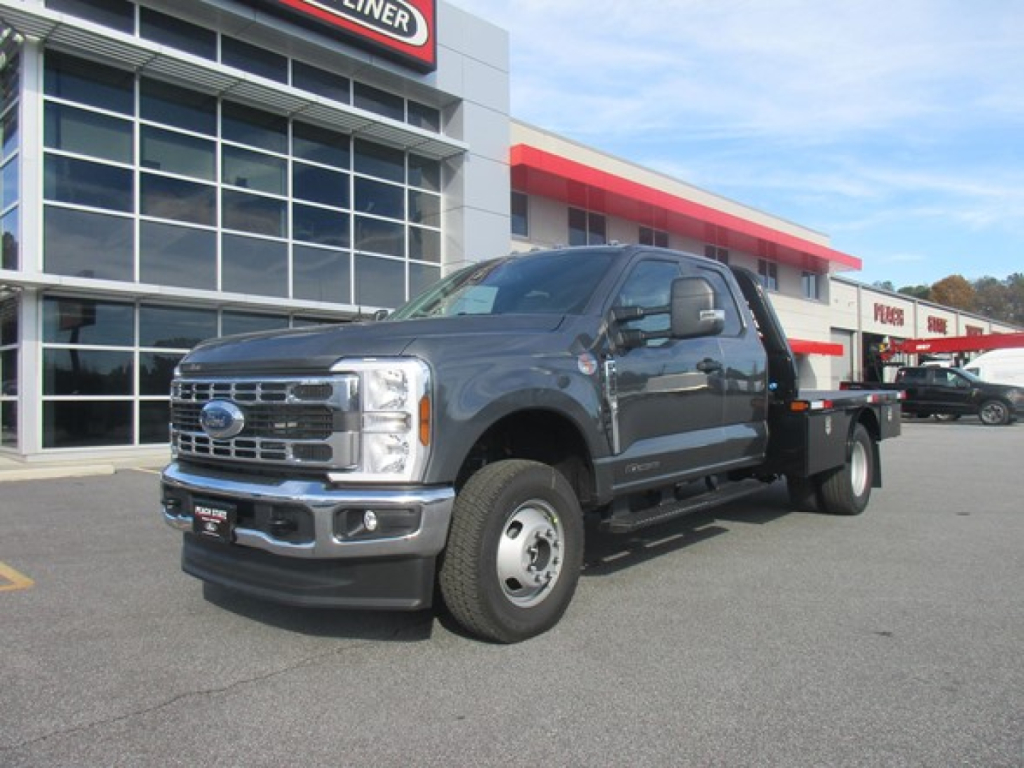

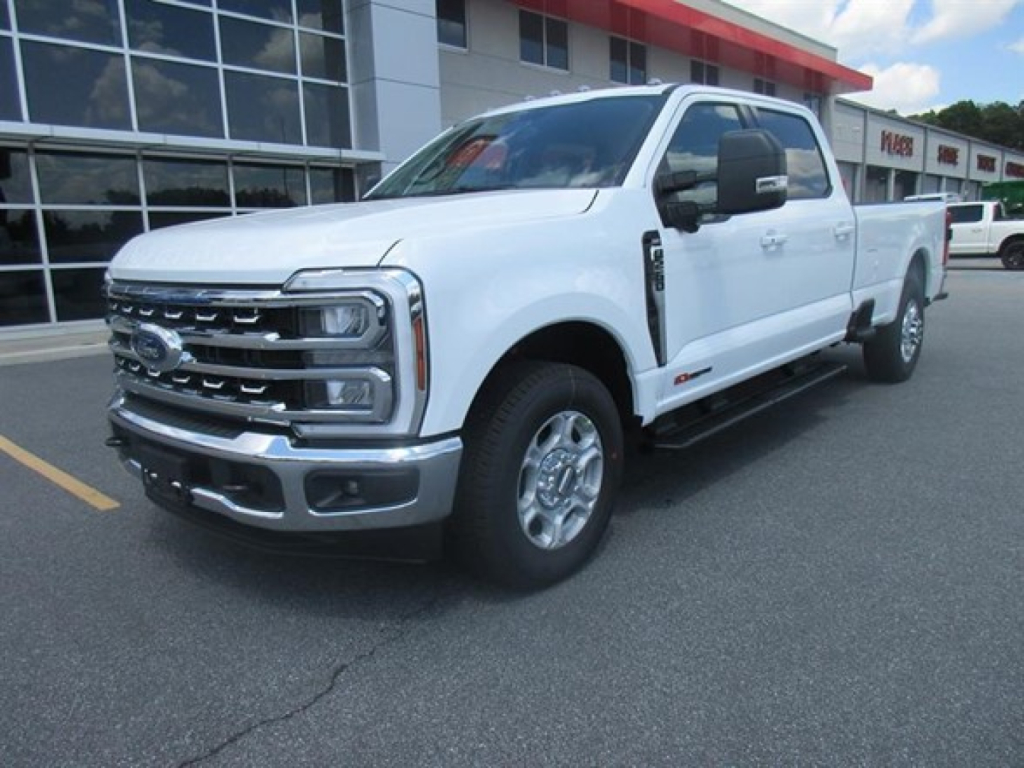
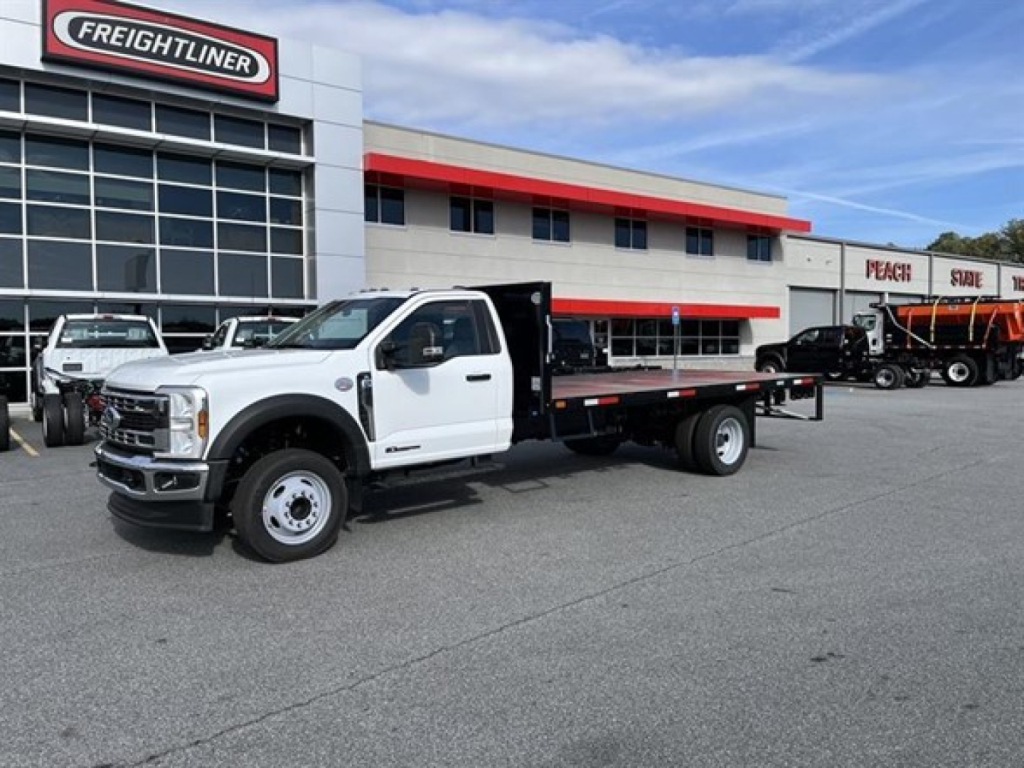
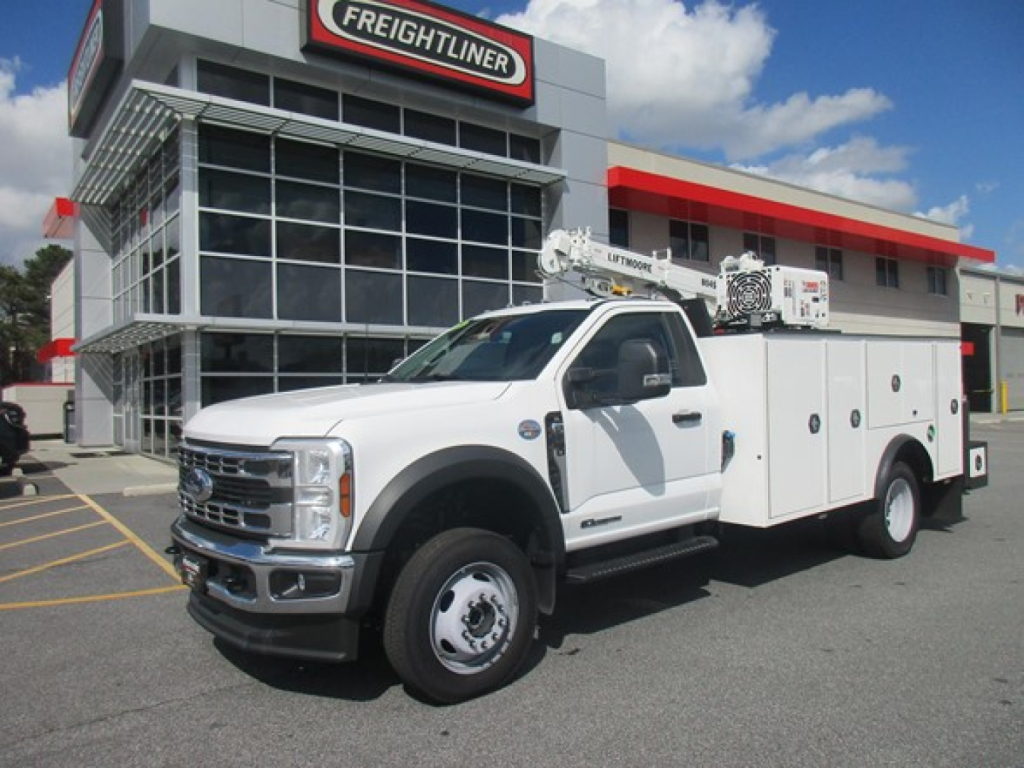
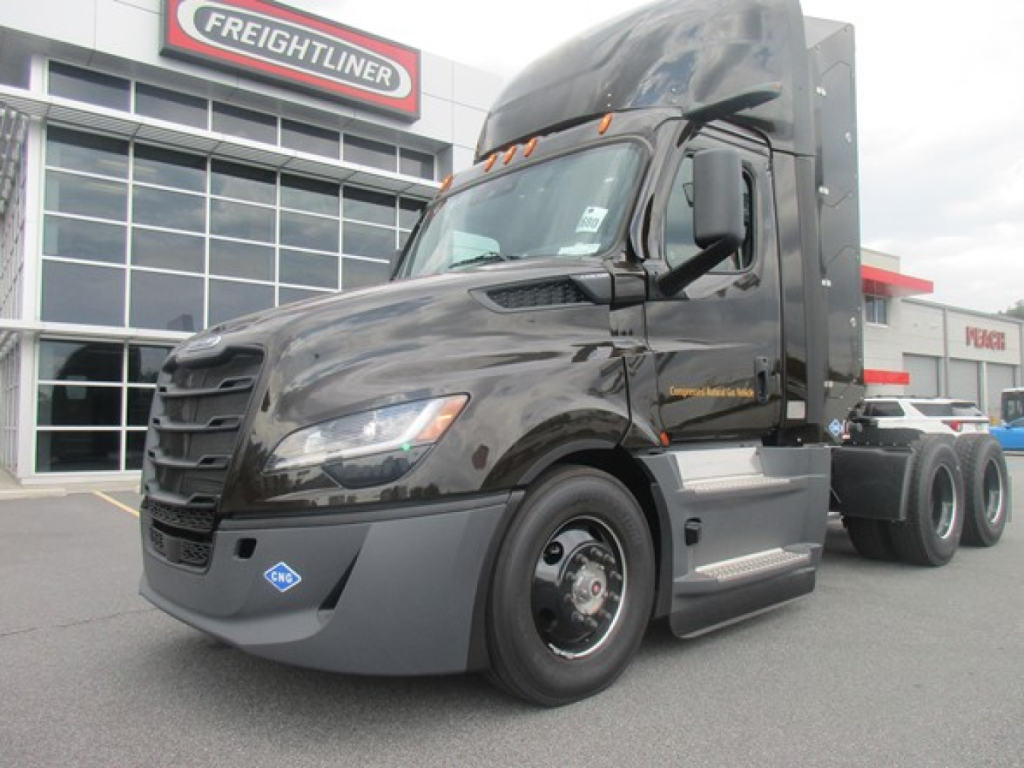
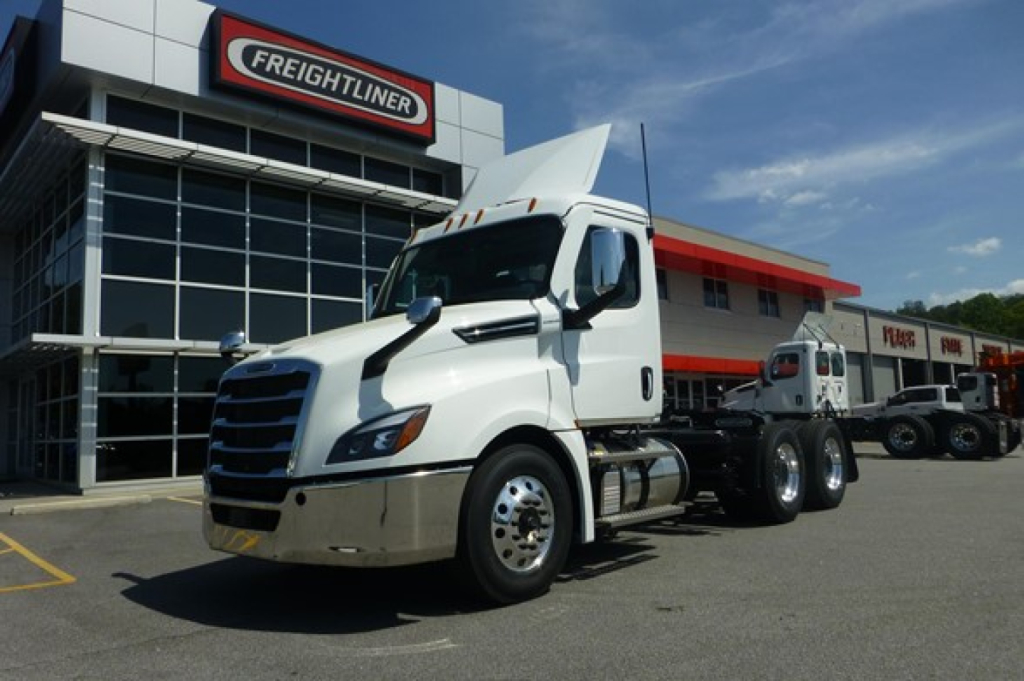
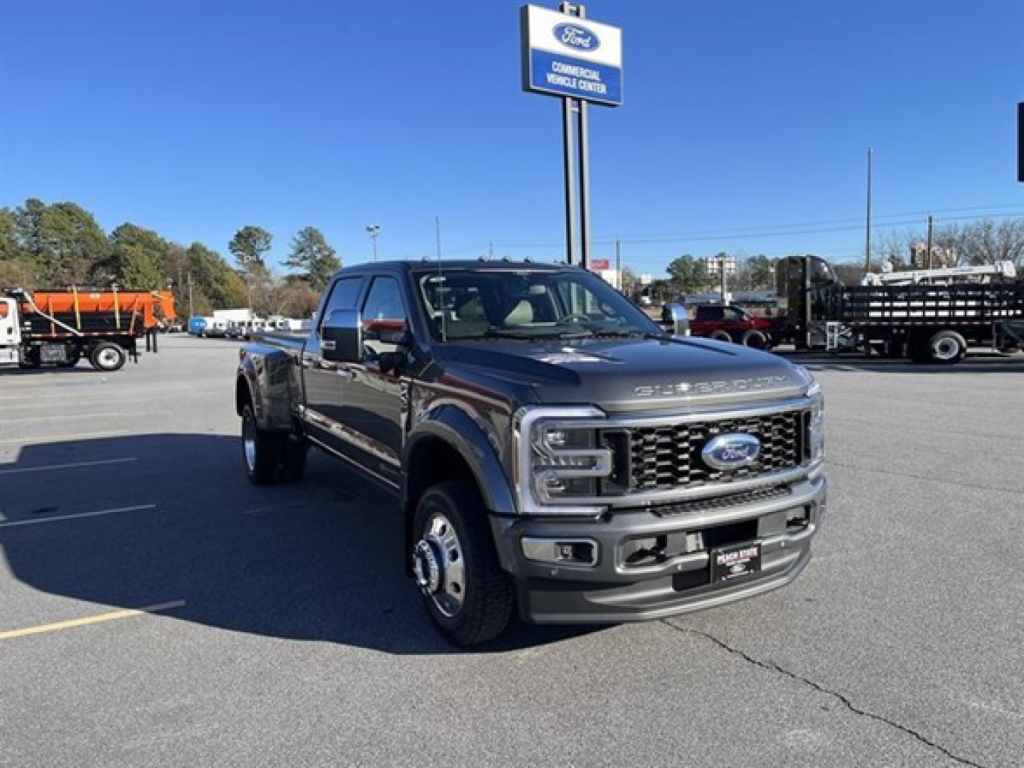
Showing 25 to 43 of 43 results
Have commercial truck to sell? List it here to reach thousands of buyers.
Commercial Trucks Near Suwanee, Georgia
For medium-duty trucks, buyers often compare Class 4 through Class 7 models based on wheelbase, cab-to-axle measurement, suspension rating, brake setup, and powertrain durability in stop-and-go work. In heavier applications, Class 8 trucks bring attention to horsepower, torque, transmission type, rear axle ratio, and tandem versus single axle layout. Regional haul operations may favor lighter spec day cabs with fuel-efficient drivetrains, while construction, utility, refuse, and municipal work usually require heavier frames, PTO provisions, locking differentials, and vocational suspensions. If the truck will carry specialized equipment, body clearance, frame space, and front axle capacity become important early in the selection process.
Condition and spec alignment matter more than badge alone. Buyers should verify engine family, emissions system history, maintenance records, idle hours, and whether the truck was used in local fleet service, over-the-road service, or severe-duty work. Wheelbase affects turning radius and body compatibility. Cab configuration affects crew capacity and storage. Common decision points also include diesel versus gas in lighter classes, automatic versus manual or automated manual transmissions, air versus hydraulic brakes, and spring versus air-ride suspension. In Georgia, many fleets also pay attention to cooling performance, corrosion exposure, and how the truck is geared for suburban delivery, metro traffic, or interstate use.
A well-matched truck should support the job without carrying unnecessary weight or complexity. Buyers comparing trucks for sale in Suwanee often look closely at mileage, engine hours, axle ratings, tire condition, liftgate or PTO operation when equipped, and any signs of frame modification or body swap work. The best value is usually the truck that fits the duty cycle, accepts the right body or trailer setup, and can be serviced easily with parts and dealer support in the region.
Frequently Asked Questions about Commercial Trucks Near Suwanee, Georgia
What should I look at first when comparing trucks for sale?
Start with the truck’s intended job. GVWR, axle configuration, wheelbase, cab style, and engine class should match the payload, route length, and body or trailer setup. A truck that is oversized for the application adds cost and weight, while an underspecified truck will wear faster and limit uptime.
What is the difference between medium-duty and heavy-duty trucks?
Medium-duty trucks typically fall in Class 4 through Class 7 and are common in delivery, utility, landscaping, towing, and local service applications. Heavy-duty trucks usually refer to Class 8 equipment used for highway hauling, severe-duty vocational work, and applications requiring higher axle ratings, stronger frames, and larger powertrains.
How important is wheelbase on a truck?
Wheelbase is one of the most important fitment measurements on any truck. It affects turning radius, ride quality, bridge law considerations in some applications, and compatibility with bodies such as dump beds, van bodies, flatbeds, service bodies, and hooklift systems. On a tractor, wheelbase also influences weight distribution and maneuverability.
Should I choose a diesel or gas truck?
Diesel is still the standard in most heavier commercial truck applications because it offers stronger torque, longer service life in hard use, and better suitability for higher GVWR work. Gas engines can make sense in lighter-duty local fleets where acquisition cost, simpler emissions systems, and lower annual mileage are priorities. The right choice depends on payload, annual miles, idle time, and maintenance strategy.
Why do axle ratings and suspension specs matter so much?
Axle ratings and suspension capacity determine what the truck can legally and reliably carry. They also affect stability, body compatibility, and long-term durability. A truck may have enough engine power for the job but still be the wrong spec if the front axle, rear axle, frame, or suspension cannot handle the actual load and operating conditions.