
Trucks For Sale Near Salisbury, North Carolina
Browse trucks for sale in Salisbury, NC including sleeper trucks, day cabs, and cab & chassis units for regional, local, and highway work.
Learn more
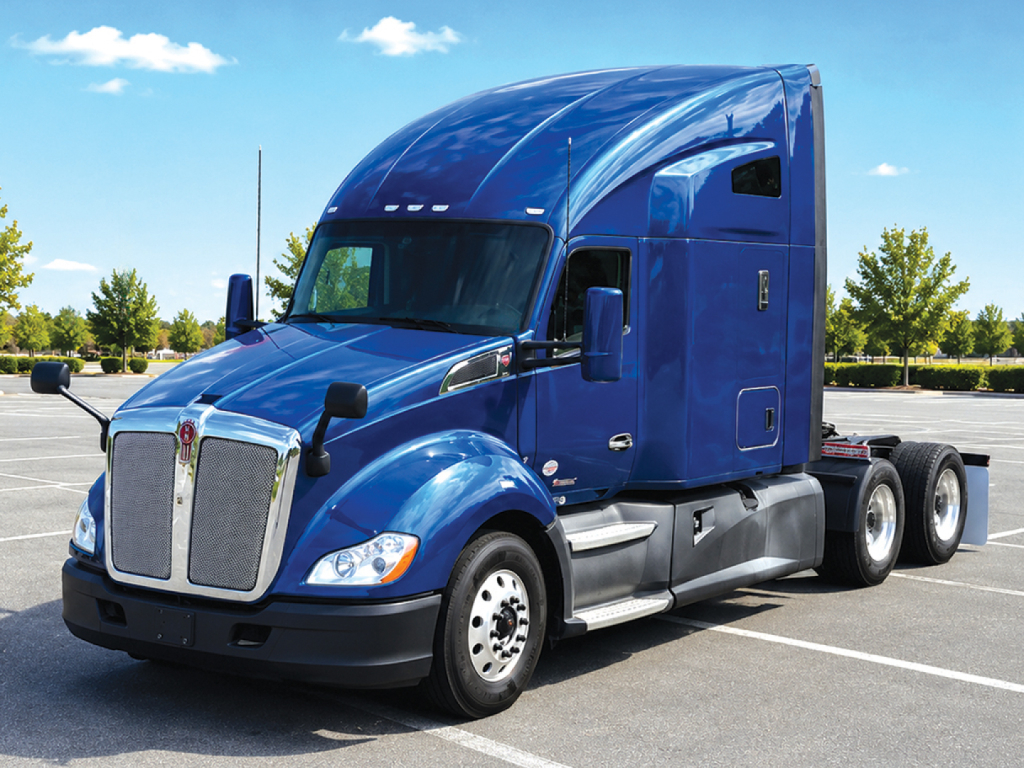
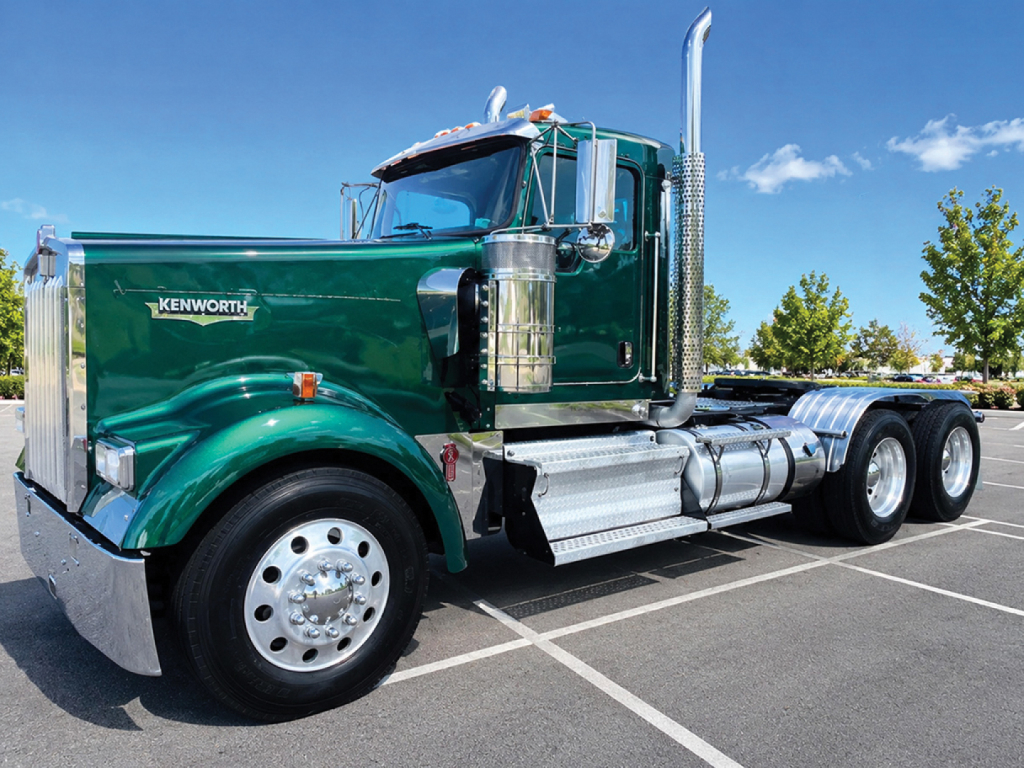
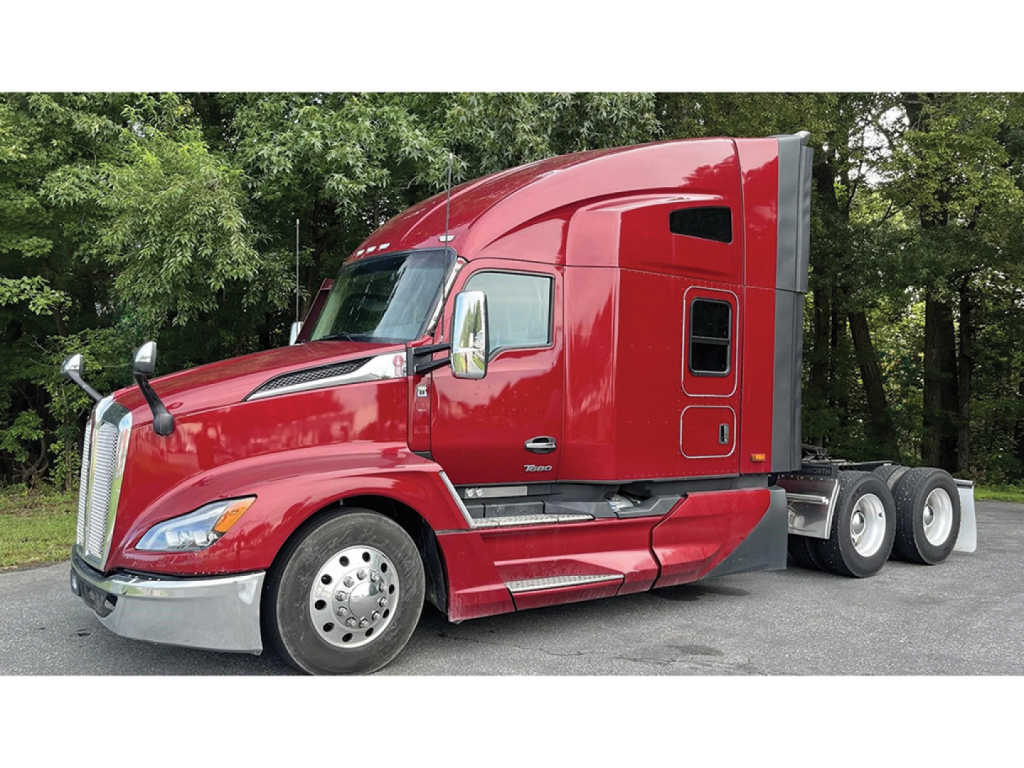
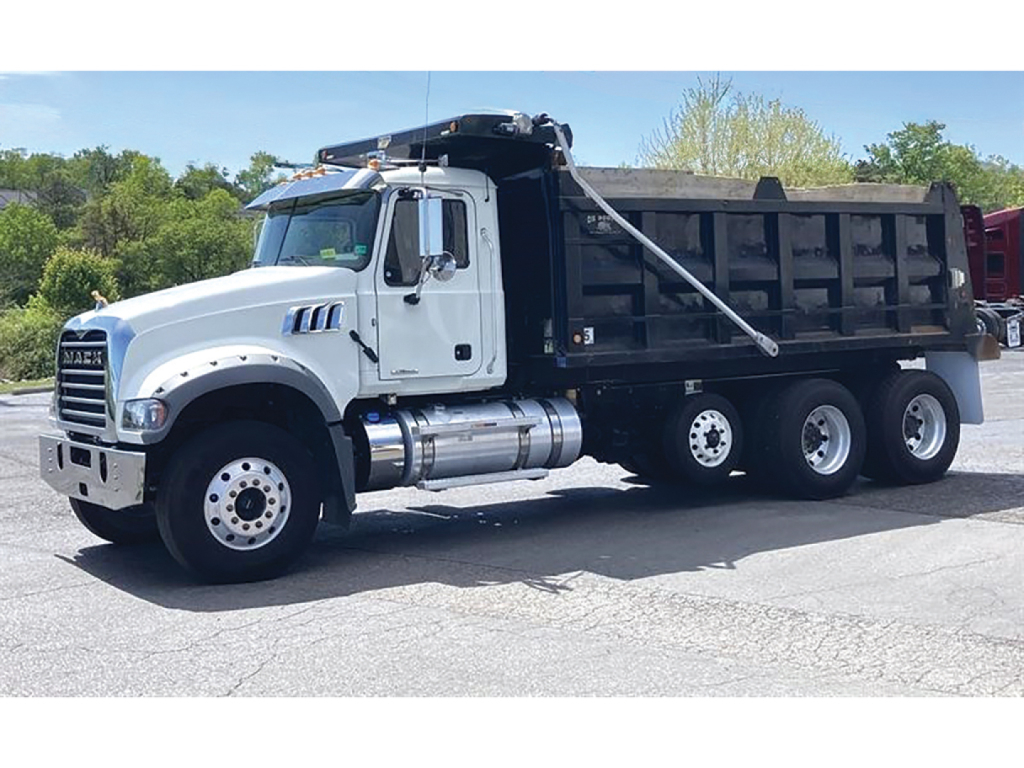
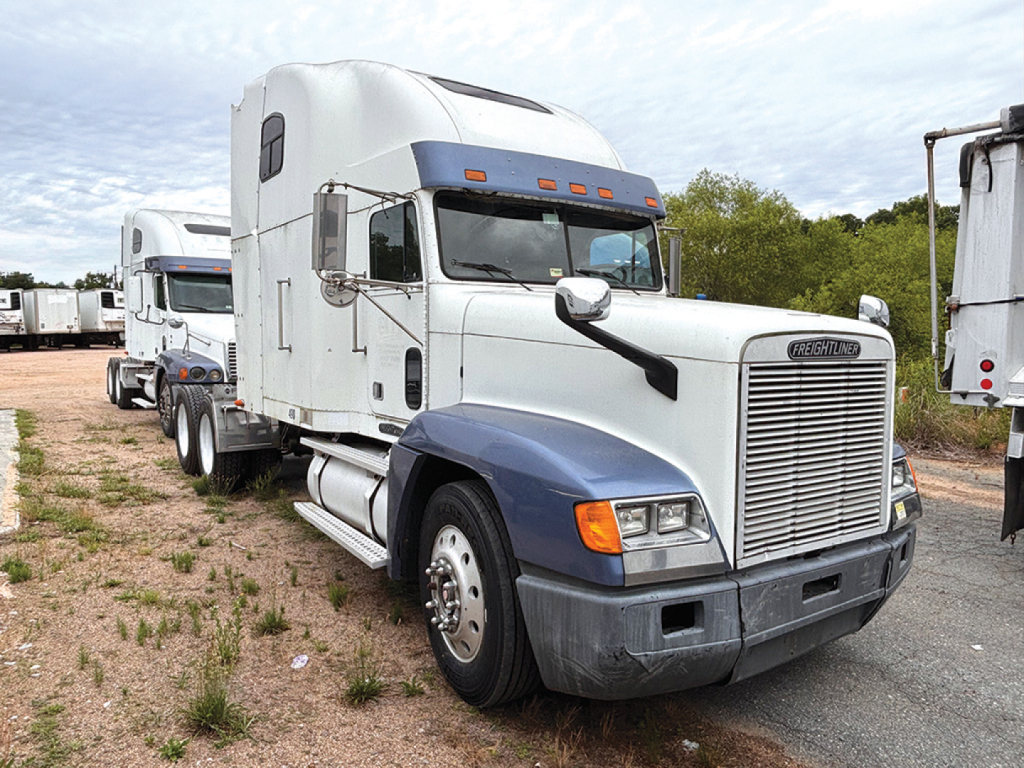
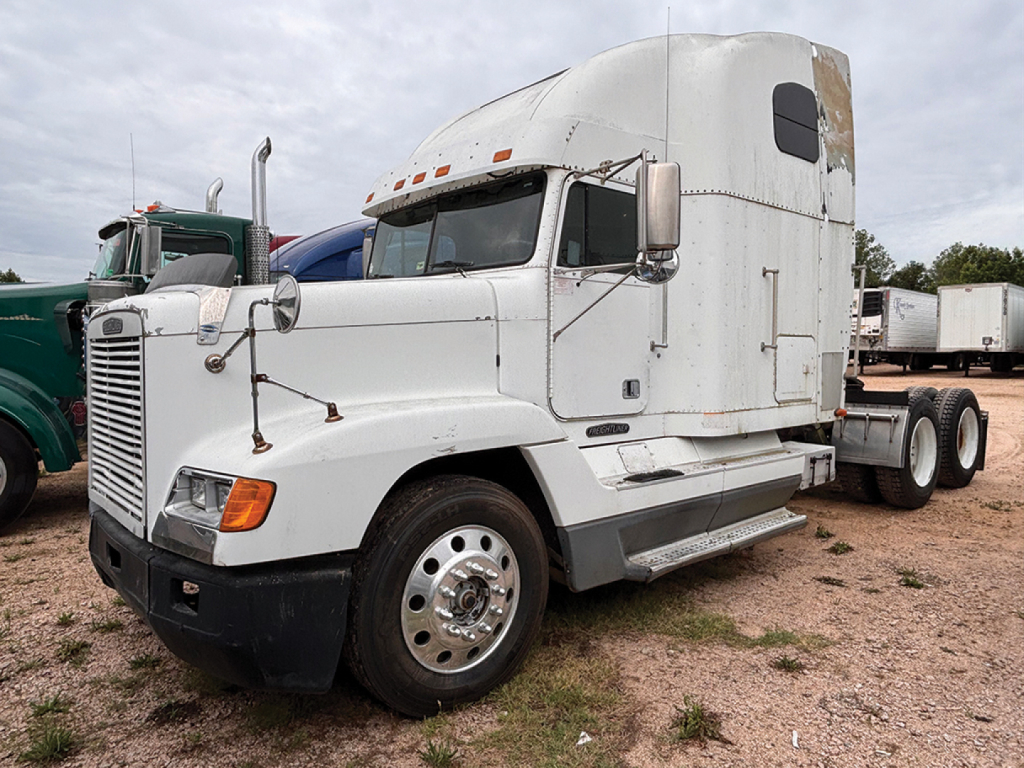
Showing 73 to 84 of 142 results
Have truck to sell? List it here to reach thousands of buyers.
About Trucks Near Salisbury, North Carolina
The core buying points on used trucks are engine, transmission, rear axle rating, wheelbase, and suspension. Common engines in this class include Detroit DD13, DD15, and older 12.7-liter platforms, along with Cummins medium-duty options in cab and chassis applications. Horsepower can range from around 250 HP in medium-duty chassis up to the mid-400 HP range in highway tractors. Transmissions vary between manual gearboxes and automated manuals such as the DT12, while Allison automatics are common on medium-duty and vocational setups. Rear axle ratings from 20,000 to 40,000 pounds help separate single-axle regional units from tandem-axle road tractors, and axle ratio has a direct effect on cruise RPM, startability, and fuel economy.
Spec details matter because they change how a truck performs in real service. A 3.08 or 3.25 ratio generally fits highway and regional freight better than a deep vocational ratio like 5.57, which is more useful when launching heavier loads or supporting body installations. Air ride suspension is preferred for ride quality, cargo protection, and driver comfort, while spring suspension still has a place on simpler or more rugged applications. Wheelbase also deserves close attention. A shorter wheelbase improves maneuverability at docks and in urban areas, while a longer wheelbase may be necessary for sleeper configurations, larger fuel capacity, or body length requirements on a cab and chassis. Buyers should also look at brake type, tire size, fifth wheel style, and features such as collision mitigation, engine brakes, bunk heaters, fairings, and fuel tank capacity.
In the Salisbury market, truck buyers often compare equipment that can handle a mix of interstate miles, regional distribution, and vocational work across North Carolina and the surrounding Southeast. Freightliner Cascadia and Columbia models, Volvo day cabs, and International MV-series chassis are all common because parts support and service familiarity are strong in this region. The best truck is the one with a spec that matches the route, payload, body requirement, and driver expectation. A highway tractor should be evaluated for sleeper size, drivetrain efficiency, and emissions system history, while a day cab should be judged on maneuverability, axle configuration, and PTO or fifth wheel needs. A cab and chassis should be measured carefully for frame length, axle placement, and upfit compatibility before purchase.
Frequently Asked Questions
What is the difference between a sleeper truck, a day cab, and a cab and chassis truck?
A sleeper truck is a road tractor with an integrated bunk area for over-the-road use, often with raised-roof configurations and larger fuel capacity. A day cab is a conventional tractor without a sleeper, usually chosen for local, regional, drayage, or dedicated lane work where overnight accommodations are not needed. A cab and chassis truck is sold without the final body, allowing the buyer to install a dump body, van body, flatbed, rollback, service body, or other vocational upfit.
How do I choose the right axle ratio on a used truck?
Axle ratio should match the truck’s route profile, transmission, tire size, and average payload. Lower numerical ratios such as 3.08 are typically better for highway cruising and fuel economy because they keep engine RPM lower at road speed. Higher numerical ratios such as 5.57 improve launch performance and low-speed pulling power, which is more important on medium-duty vocational trucks, stop-and-go work, or heavier applications with body equipment.
Is an automatic or manual transmission better in a used truck?
Neither is universally better, but each fits a different operation. Automated manual transmissions such as the DT12 can improve driver consistency, reduce fatigue, and help fleets with recruiting because they are easier to operate in traffic and on regional lanes. Traditional manuals remain attractive to buyers who want lower electronic complexity, more direct driver control, or compatibility with established maintenance practices. Allison automatics are common in medium-duty and vocational trucks because they perform well in stop-and-go service and PTO-related work.
What should I check first on a used cab and chassis truck?
Start with wheelbase, frame rail condition, axle rating, and the cab-to-axle or cab-to-trunnion dimension because those measurements determine what body can be installed. Then confirm engine and transmission suitability for the intended body, especially if PTO operation is required. It is also smart to inspect suspension type, brake configuration, tire capacity, and any prior frame modifications, since those items affect both upfit cost and long-term durability.
What specs matter most on a used highway tractor?
The most important specs are engine model, horsepower, transmission type, rear axle rating, axle ratio, wheelbase, and sleeper configuration. A tandem-axle tractor with a 40,000-pound rear rating, efficient gearing, and an engine brake is typical for general freight. Buyers should also review maintenance history, emissions system service records, brake type, fifth wheel setup, fairings, and fuel tank capacity because those details affect uptime, operating cost, and how well the truck fits the intended lanes.