
Kenworth Rolloff Trucks For Sale in Oklahoma
Shop Kenworth rolloff trucks for sale in Oklahoma. Compare T880 specs, hoist setups, axle ratings, and vocational features for waste and scrap work.
Learn more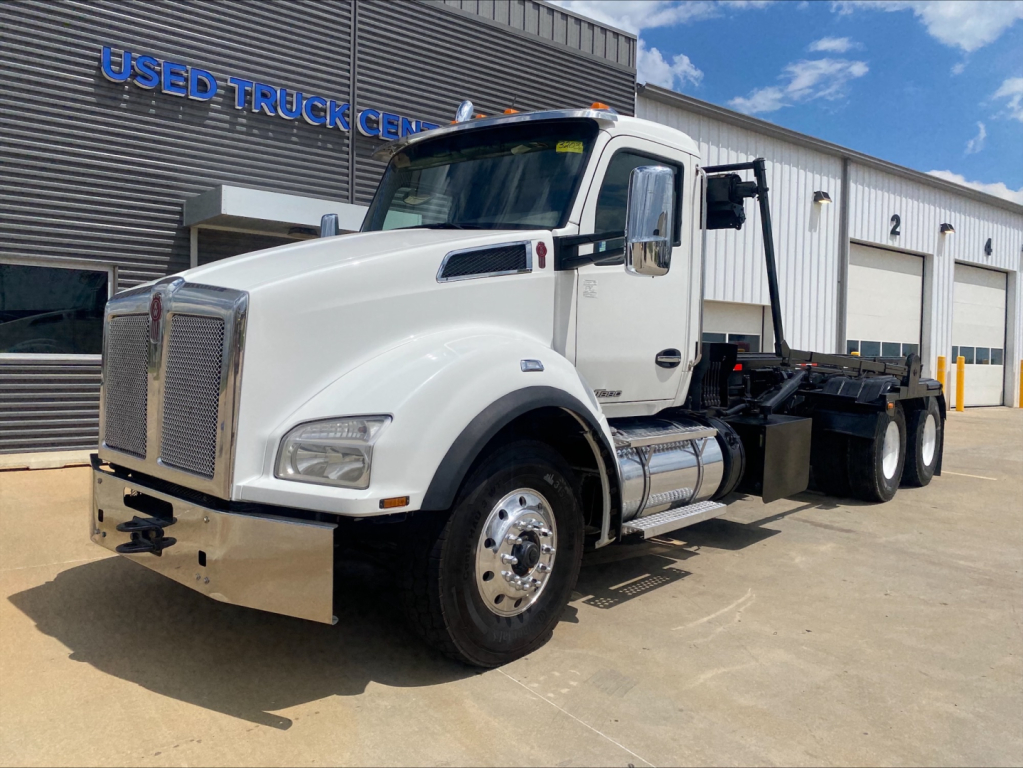
Have kenworth rolloff truck to sell? List it here to reach thousands of buyers.
About Kenworth Rolloff Trucks in Oklahoma
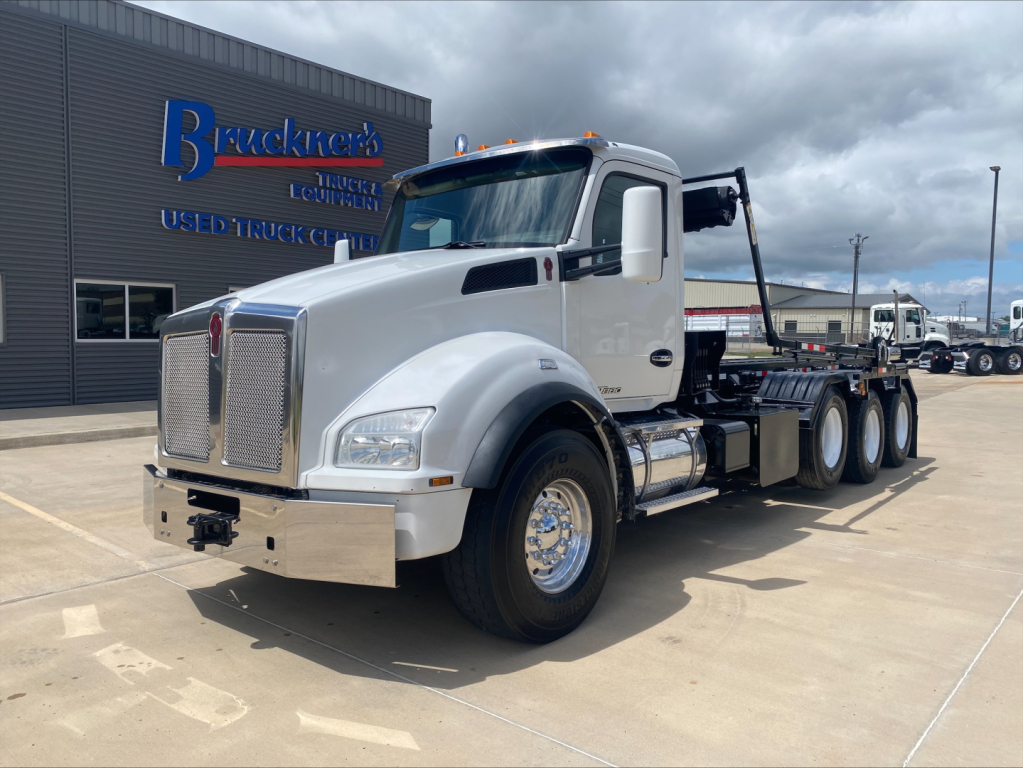
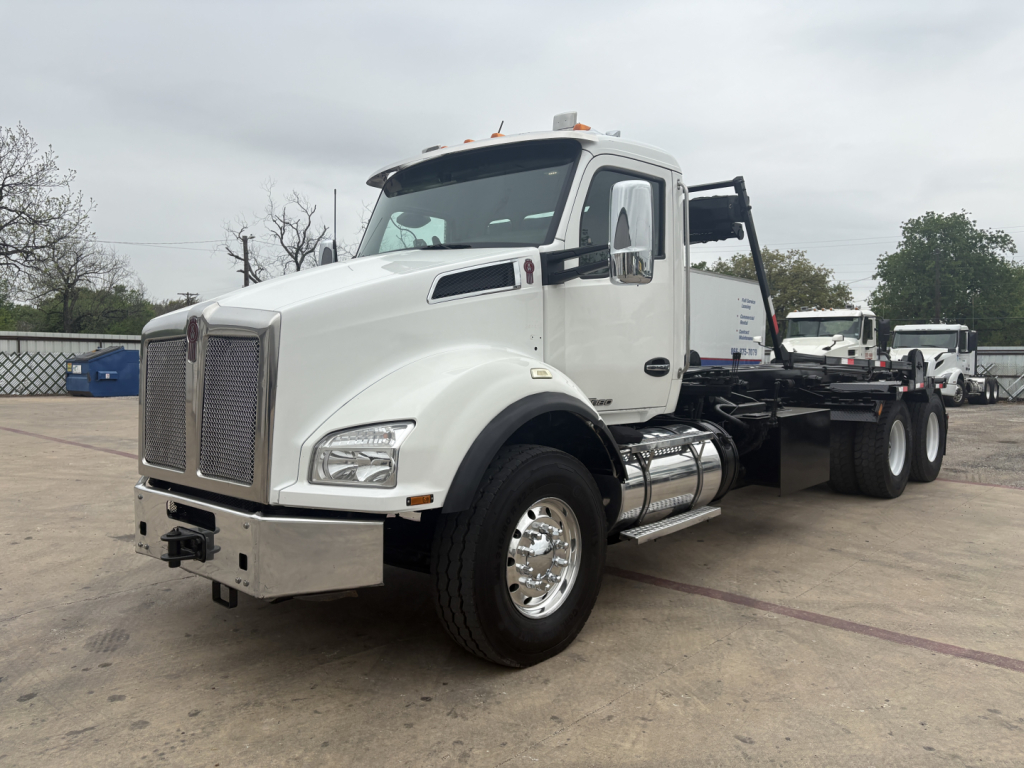
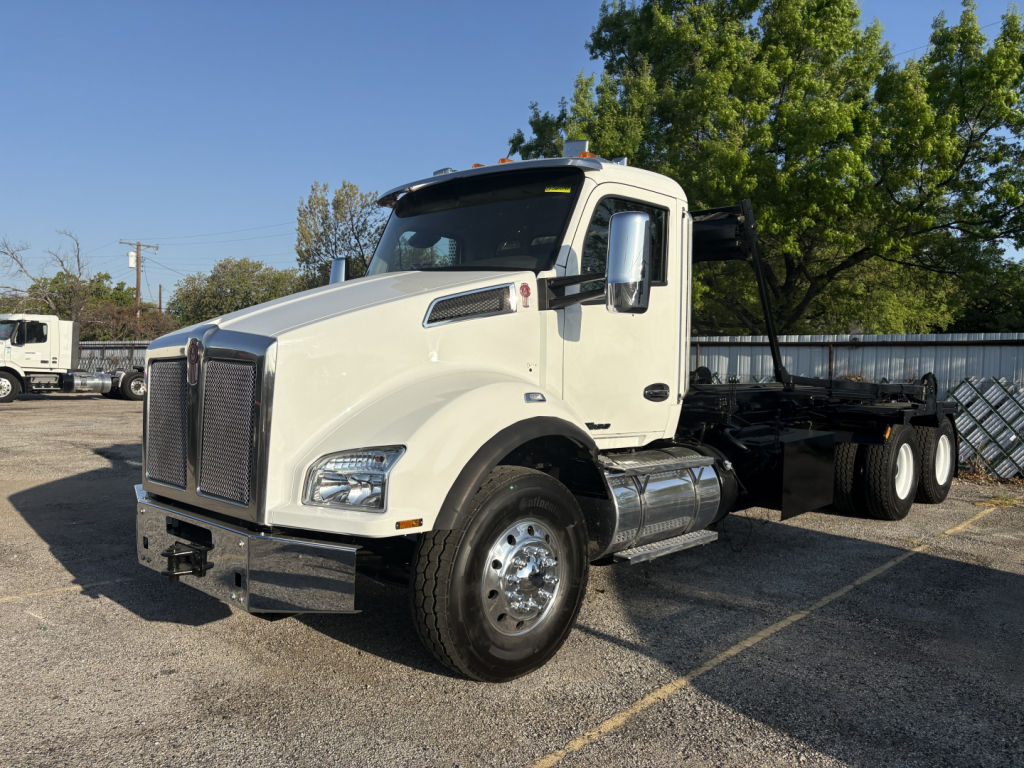
The main buying decision on a rolloff truck is the hoist and chassis combination. Buyers typically compare cable hoist versus hooklift-style operation, though many rolloff truck listings in this class are traditional cable hoist units designed for rectangular waste containers. Key specs include hoist capacity, inside frame reinforcement, wheelbase, axle ratings, suspension type, and PTO setup. A truck that spends most of its time on short city pulls may prioritize maneuverability and bridge-friendly axle spacing, while a unit used for heavier demolition or scrap containers may need a higher GVWR, heavier rears, double-frame construction, and more robust rear suspension. Lift axle configuration also matters if the truck needs to stay legal with loaded boxes while protecting tire life on empty returns.
Engine and driveline choices are just as important as the hoist. Kenworth rolloff trucks are commonly spec'd with PACCAR or Cummins diesel engines paired with Allison automatic or Eaton manual transmissions, depending on the route and operator preference. Automatics are popular in stop-and-go container work because they reduce driver fatigue and can help with consistency in tight pickup spots. For Oklahoma buyers, cooling package condition, PTO engagement, hydraulic performance, and brake spec deserve close attention, especially on trucks running in hot weather, on rough transfer station approaches, or with frequent idle time. Frame condition, hoist pin wear, cylinder seepage, tarp system operation, and body clearances should be inspected carefully because those items affect uptime more than cab cosmetics.
A well-spec'd Kenworth rolloff truck should match the container sizes, legal payload targets, and terrain of the intended route. Look closely at rear axle ratio, suspension capacity, tire size, and cab-to-axle dimension to be sure the truck balances load distribution with turning radius. Buyers also tend to value practical vocational features such as stationary windows, durable interior trim, easy-clean floors, pintle or trailer provisions, backup cameras, and lighting for early morning or late landfill work. When the spec is right, a Kenworth rolloff truck can serve as a durable platform for waste hauling, recycling, scrap, and construction cleanup with the serviceability and driver comfort expected from a premium vocational chassis.
Frequently Asked Questions
What makes a Kenworth T880 a common choice for rolloff truck applications?
The Kenworth T880 is widely used in rolloff service because it offers a severe-duty chassis, strong frame options, vocational cab design, and good service access. It can be spec'd for high front axle ratings, heavy rear suspensions, lift axles, and PTO-driven hydraulic systems that fit waste, scrap, and construction debris work. Buyers also like the balance of driver comfort and durability, which matters on routes with repeated stops, container exchanges, and rough site access.
What should I check first on a used Kenworth rolloff truck?
Start with the frame, hoist, hydraulics, and axle ratings. Inspect for frame cracks or repairs, hoist pin and bushing wear, hydraulic leaks, cylinder condition, PTO engagement, and signs of uneven loading. Confirm the truck's wheelbase, cab-to-axle measurement, and hoist capacity match the container sizes you plan to run. After that, review engine hours, transmission operation, suspension condition, brake spec, and any lift axle equipment because those items directly affect payload, uptime, and operating cost.
Is an automatic transmission better for a rolloff truck?
In many rolloff applications, an Allison automatic is a strong choice because container work involves frequent starts, stops, backing, and tight maneuvering. Automatics reduce driver fatigue and can improve consistency when positioning under pressure at job sites or transfer stations. A manual transmission may still appeal to some fleets for driver preference or maintenance familiarity, but automatic-equipped vocational trucks are common because they fit the stop-and-go nature of rolloff work.
How do I choose the right axle and suspension setup for rolloff work in Oklahoma?
The right setup depends on container weight, route length, legal road limits, and how often the truck runs off pavement. Heavier demolition, scrap, or landfill service usually calls for higher rear axle ratings, stronger suspension, and often a lift axle to stay legal under load. Lighter construction debris routes may allow a simpler configuration with better maneuverability and lower empty-weight penalty. In Oklahoma, mixed road conditions and long distances between stops can make durability, tire wear, and stable load distribution especially important.